
Last updated November 16, 2026
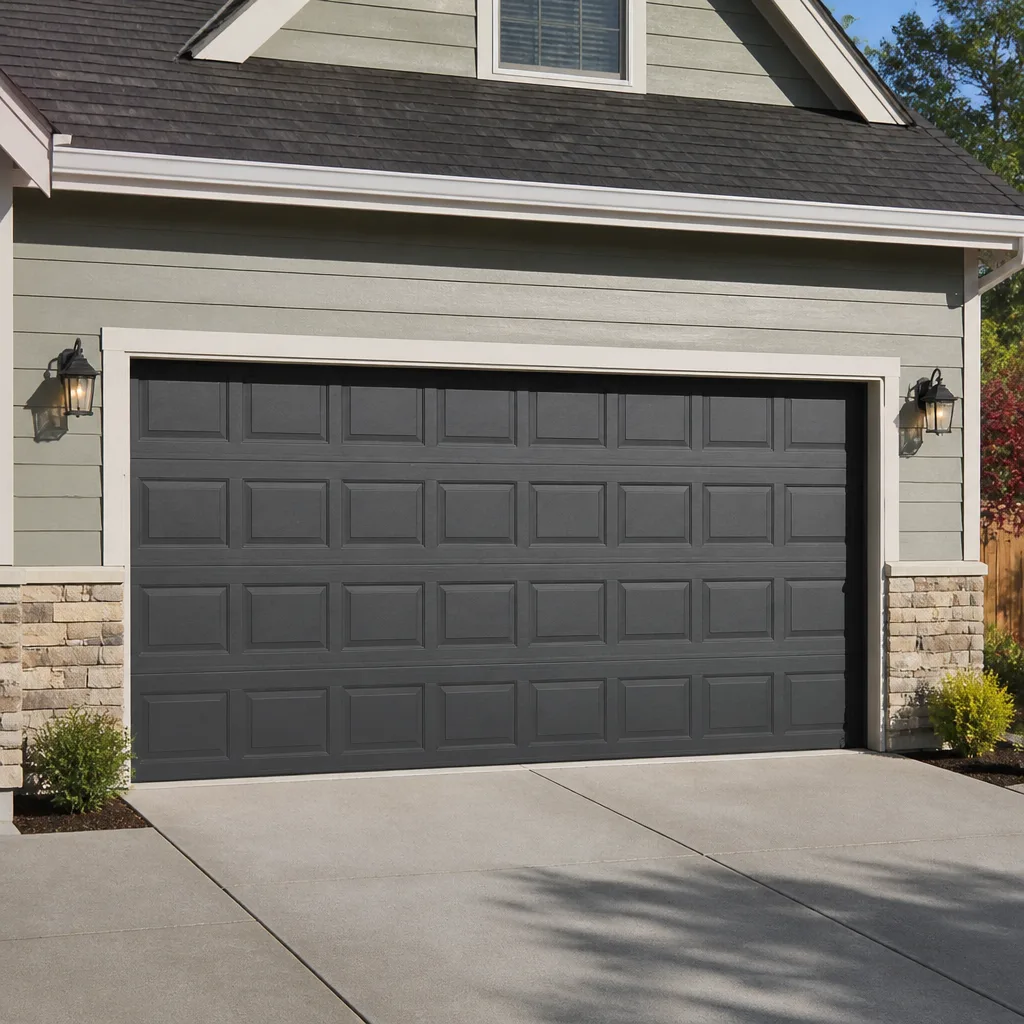 Raised-panel steel
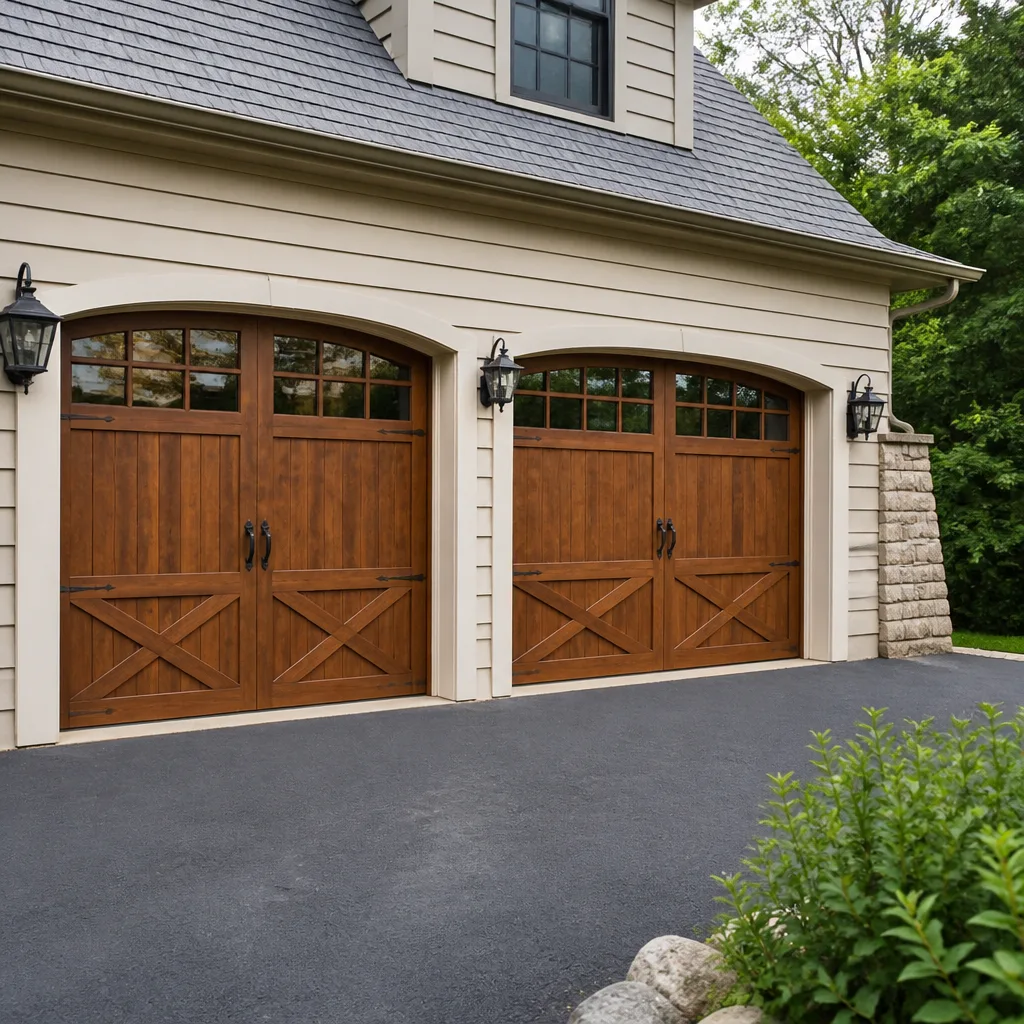 Carriage house
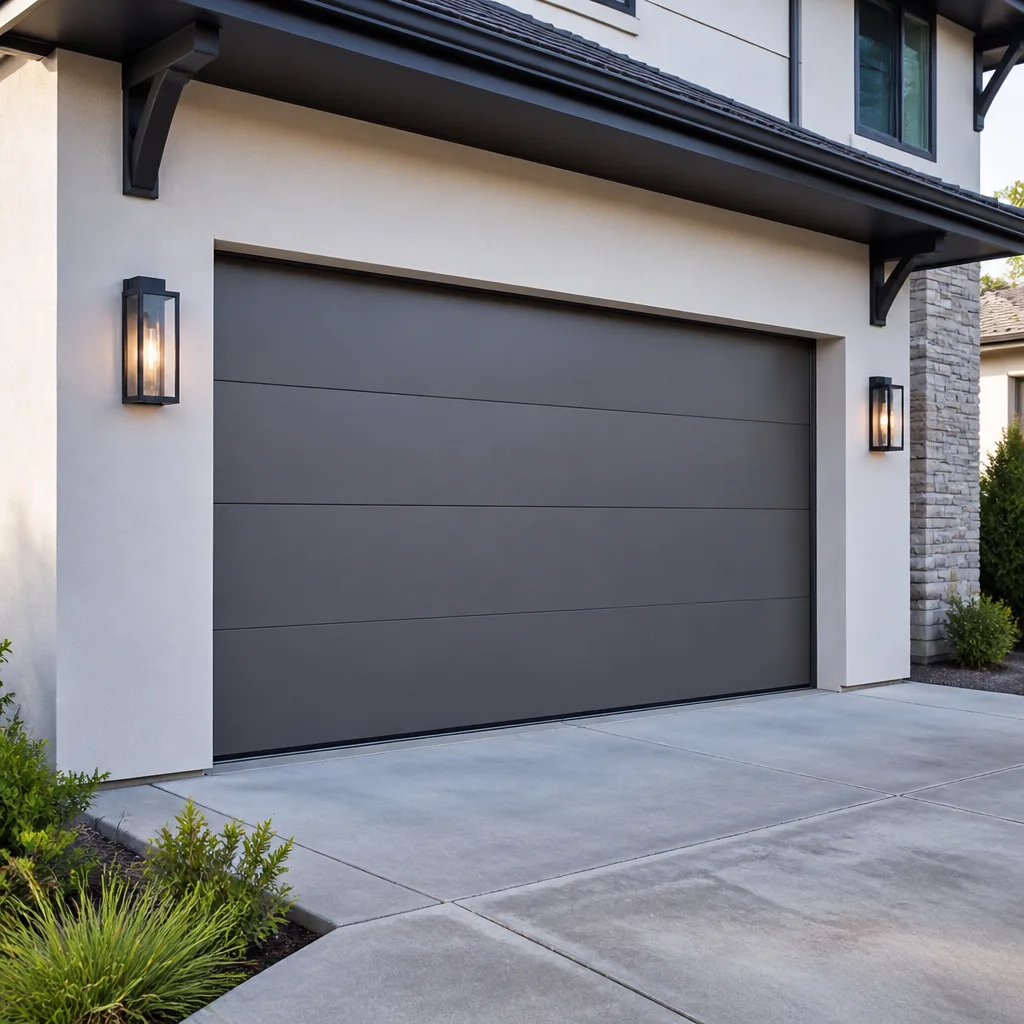 Modern flush
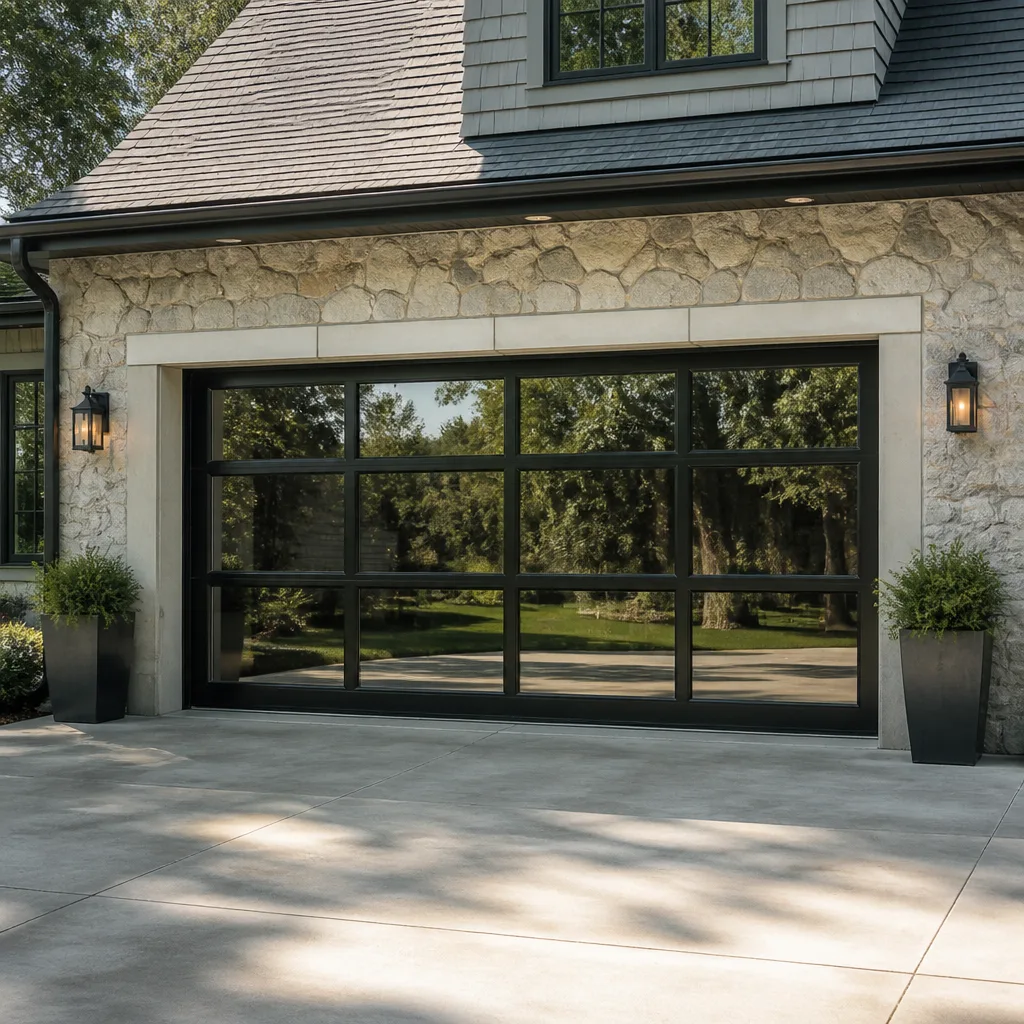 Full-view glass
 LiftMaster openers
 Chamberlain openers
Full 25-point door and opener safety check with every visit - springs, cables, rollers, tracks, and your LiftMaster or Chamberlain opener included
You get a price before we start. It does not change when the pro arrives.
Get your free estimateHow to Hire a Garage Door Contractor in Nashville: A Step-by-Step Guide
Most garage door failures in Nashville don’t start with a cheap part. They start with a contractor who matched the spring to the door’s factory spec sheet and never checked the door itself. Insulation panels, a replaced bottom section, even a different window insert can add real weight, and a spring sized for the old number won’t carry it. The parts were correct. The installer wasn’t paying attention to the actual door. This guide walks you through hiring a garage door specialist in Nashville the way we’d want our own neighbors to hire one: how to vet licensing, read an estimate line by line, spot the opportunists who moved into this market on the back of the building boom, and ask the one question about brand-specific parts that separates a real specialist from a generalist with a truck and a ladder.
Quick Answer
To hire a garage door contractor in Nashville, verify Tennessee licensing and insurance before anything else, ask whether they carry brand-specific springs and openers for your equipment, and insist on a written estimate that itemizes parts, labor, and warranty before a single bolt is turned. A real specialist will talk about your door’s actual weight and your opener’s make and model; a generalist will talk about price and urgency. The difference shows up in the first phone call.
Styles & brands we work with
- Raised-panel steel
- Carriage house
- Modern flush
- Full-view glass
- LiftMaster openers
- Chamberlain openers
Table of Contents
- Why Hiring a Garage Door Contractor in Nashville Takes More Care Than It Used To
- The 5 Questions to Ask Before You Get a Quote
- What a Legitimate Written Estimate Must Include
- How to Verify Tennessee Contractor Licensing (It’s Narrower Than You Think)
- Red Flags Unique to Nashville’s Post-Boom Market
- How to Evaluate a Warranty Offer
- Specialist vs. Generalist: What Focused Expertise Actually Buys You
- Springs and Cables: The Safety Line You Don’t Cross
Why Hiring a Garage Door Contractor in Nashville Takes More Care Than It Used To
Nashville’s building boom reshaped more than the skyline. It reshaped who shows up when you call about a garage door. Ten years ago, a homeowner in Nashville with a broken spring had maybe two or three realistic options and they all did garage doors for a living. Today the same search pulls up handyman services, HVAC companies, remodeling contractors, and crews from three states away, all advertising garage door work as an add-on line.
The boom created demand faster than the specialist trade could grow into it. New subdivisions in Antioch and Hermitage, infill builds in East Nashville, and the endless rehabs in the older neighborhoods off Nolensville Pike all needed doors and openers. That’s a lot of new doors under warranty and a lot of openers on their first repair cycle. The work is there. The question is who’s actually trained to do it.
Garage doors are a weird system when you really look at it. A door that weighs two hundred pounds rides on a torsion spring or two extension springs that hold the whole load under tension. The opener is a separate device with its own logic board, travel limits, and force settings. Add photo-eye safety sensors, a belt or chain or screw drive, and a hinge-and-roller network that has to track straight, and you have a mechanical system that punishes guesswork. A generalist can install one in a straight line and call it done. A specialist knows why it’ll be back in eight months.
That’s not a knock on handymen. It’s a recognition that “we also do garage doors” covers a wide range of actual competence. This guide gives you a process for telling the difference before you sign anything.
What makes Nashville’s climate part of the equation
The middle Tennessee swing between hot, humid summers and cold snaps works on a garage door the way it works on a wood fence. Metal expands and warms, contracts when the temperature drops, and a door that tracked perfectly in July can start rubbing its jamb by January. Springs lose tension over time under that cycling load. Wood sections absorb humidity and gain weight. If a contractor hasn’t dealt with that annual cycle in this market, they’ll underestimate the wear. An out-of-state crew used to a drier climate may size a spring differently and be surprised when it sags within a season. Ask whether they work in Nashville regularly, not just whether they have a Nashville phone number.
The 5 Questions to Ask Before You Get a Quote
You don’t need to know garage doors to vet the person who does. You just need the right five questions. A specialist answers all five without hesitating. A generalist either dodges or gives you a version of “we can handle that.”
- Do you stock or source brand-specific springs and openers? This is the question that separates the field fast. Springs come in different wire gauges and lengths, sized to the door’s weight and cycle count. An opener repair on a LiftMaster or Chamberlain or Genie or Craftsman unit involves brand-specific logic boards, gear assemblies, travel modules, and remotes. A contractor who says “we get whatever’s needed from the supply house” is telling you they don’t carry the parts, which means a return trip and a longer job. A contractor who says “we handle LiftMaster and Genie directly” is telling you the opposite. Starling Garage Door Repair is certified to work on LiftMaster, Chamberlain, Genie, Clopay, Amarr, Wayne Dalton, Craftsman, and Raynor, so a customer never hears “we don’t service that brand.” That seems like a low bar until you’ve called four companies and heard it three times.
- Can I see your Tennessee license and certificate of insurance? Not “we’re licensed.” The actual document. Ask before work starts, not after.
- What’s the make and model of my opener? A specialist will ask you to read the label or walk out and find it. A generalist will skip the question and figure it out on arrival.
- Will the written estimate itemize parts, labor, and disposal fees? A quote that’s one lump number gives you no way to tell what you’re paying for. A line-item estimate shows you where the money goes.
- Are you recommending repair or replacement, and why? A repair-first contractor explains what’s failing and what it costs to fix before talking you into a new door. If the first thing you hear is a replacement number, the diagnosis hasn’t happened yet.
Ask these on the phone before you book. If you get a real answer to question one, most of the rest will follow.
What a Legitimate Written Estimate Must Include
A written garage door estimate in Nashville isn’t a legal form, but it should be specific. The written estimate sets the price, and the price is quoted and agreed before any work starts. That’s the part most homeowners skip. They get a number over the phone and a bigger number in the driveway, and suddenly the price they were promised has moved.
Here’s what to look for before you sign a work authorization:
- Parts listed by name and size. Springs have gauge, length, and wind direction. Openers have make and model. A quote that just says “springs” or “opener repair” is a placeholder.
- Whether the price covers one spring or a pair. Springs wear together, and most mechanics will recommend replacing both if the door uses two. A single-spring price is just that: for one spring. Budget roughly double if a matched pair is needed.
- Labor, broken out from parts. Not always possible, but when it’s there you can sanity-check the number.
- A disposal line or a note that it’s included. Old springs and door sections have to go somewhere.
- Warranty terms on parts and labor. Separately. In writing.
- A statement that the price is firm unless you approve changes. If the technician discovers mid-job that the door was retrofitted with insulation panels nobody measured, the correct response is to stop and get your approval on any new number before proceeding. Not to install the original spec and leave.
The upsell tell is worth spelling out. If the estimate you came in for was a repair and the technician’s first recommendation is a replacement within ten minutes of walking in, ask them to explain what failed, what the repair costs, and why the repair isn’t viable. Sometimes replacement is the right answer. It’s the right answer far less often than it’s offered.
Why the “matching the door’s listed weight” mistake happens
Doors ship from the factory with a weight rating, and a lot of installation crews trust that rating instead of weighing the door in place. In a market like Nashville full of remodels and retrofits, that rating is stale. Insulation panels added after the fact, a section swapped during a repair, different rollers, or a window insert can push the actual weight well above spec. A spring matched to the spec is then undersized for the real load, and it fails early. Every job should start with the door’s actual weight and cycling count, not just the paperwork. If the contractor measures weight and cycle count before quoting a spring, that’s a good sign. If they don’t, ask why.
How to Verify Tennessee Contractor Licensing (It’s Narrower Than You Think)
Tennessee licensing for garage door work is not the same as licensing for general contracting, and homeowners routinely assume it covers more than it does. The state licenses contractors by classification and dollar threshold. A contractor who takes a job above a certain dollar amount needs a state license; smaller jobs may fall under a local permit or no license at all. Home improvement, electrical, plumbing, and HVAC each have their own rules. Garage door installation and repair are not consistently classified as a distinct trade in Tennessee, which means a licensed home improvement contractor may legally take your garage door job without any specific garage door credentials.
What that means in practice: a Tennessee license confirms the contractor has met basic state requirements and carries insurance and bond where applicable. It does not confirm they know the difference between a torsion spring and an extension spring. The best contractor for a garage door repair in Nashville is both properly licensed and specifically experienced in garage doors. One without the other leaves a gap.
Here’s how to verify:
- Ask for the license number and the classification. Write it down.
- Look it up through the Tennessee Department of Commerce and Insurance’s licensing portal. The portal shows active status, license class, and any disciplinary actions.
- Ask for the certificate of insurance. Confirm general liability is active and confirm the dates. Call the number on the certificate, not the number the contractor gives you, if you want the strongest check.
- Ask whether workers’ compensation coverage applies. If a technician is injured on your property and the contractor doesn’t carry it, the exposure lands closer to you than you’d want.
- Ask the city or county building department whether a garage door job of your scope requires a permit. Permit rules vary by municipality, and this guide can’t cover every city’s rule. Ask your own building department before work starts.
None of this takes more than fifteen minutes. Compare that to the cost of a job that goes sideways and it stops feeling like paperwork.
Red Flags Unique to Nashville’s Post-Boom Market
Every city has the same basic red flags: no written estimate, cash only, “we’ll come back tomorrow” with no return address. Nashville has three more that are specific to how fast this market grew, and they’re worth knowing by name.
1. Out-of-state crews with a Nashville phone number
A crew based two states away can be entirely legitimate, and plenty of good contractors travel. But travel distance changes how a warranty gets serviced. Ask where the company is based, where its technicians are based, and how a warranty claim gets handled if the crew isn’t in the area anymore. If the answer is fuzzy, treat the warranty as the value of the paper it’s printed on. A local specialist with a Nashville presence can actually show up for a callback.
2. Storm-chaser pricing after a hail event
Hail in middle Tennessee is uncommon enough that when it happens, out-of-area crews follow it. Expect door-to-door offers, “we’re in your neighborhood today only” pricing, and pressure to book fast. Real hail damage to a garage door is possible, but it’s also a frequent story attached to unnecessary full replacements. Ask for a written assessment of what was damaged, take photos yourself, and get a second quote before signing. Storm-chasers count on urgency. Upatience is their weakness. Slow-motion disclosure is yours.
3. “Free inspection” that turns into a replacement quote
A free inspection should be free. If it comes with a “safety advisory” that recommends replacing the entire door or opener on the same visit, ask what the repair would cost and why the repair isn’t viable. Sometimes it isn’t viable. But the number of “emergency” replacements that could have been a $200 repair is high. A repair-first company diagnoses, presents the fix, and then explains replacement as an option. Not as the default.
4. Brand-agnostic generalists who’ll figure it out on arrival
This one isn’t new, but it’s sharpened in a boom market. Some contractors take garage door calls as filler work between HVAC installs or remodels. They’ll show up, look at your Clopay or Wayne Dalton door, and then call a supply house. That’s the pattern. A specialist walks in knowing the brand, the common failures, and the parts source. That saves you a return trip and a longer job every time.
- Ask for the brand coverage list in writing. Not “we do all brands,” but the specific brands the company is trained to service.
- Ask how long the technician has worked on garage doors specifically. Not in construction generally. On garage doors.
- Ask whether the company does garage doors as a specialty or as an add-on. The answer to this question tells you most of what you need to know.
If you want to see what a specialist service conversation looks like, you can start with garage door repair, which is the most common reason people pick up the phone in the first place.
How to Evaluate a Warranty Offer
“Lifetime warranty” is one of the most misleading phrases in home services, and it’s everywhere in the garage door trade. Here’s what it usually means: a lifetime warranty on parts (springs, hinges, rollers, openers) for as long as the manufacturer keeps selling that part, and a much shorter warranty on labor, often measured in months. When a company says “lifetime,” ask three follow-up questions in this order.
- What does “lifetime” cover, parts or labor? If it’s parts only, the labor to install a replacement part is on you, and that’s the bigger cost.
- What does the warranty cover exactly, and what voids it? A spring rated for a certain number of cycles is only warrantied for that many cycles. If you run the door ten times a day, the cycle count comes fast. And if a non-authorized technician touches the door, most warranties are void. Get the void conditions in writing.
- What happens if this company isn’t around in three years? The honest answer from a real specialist is: the manufacturer warranty can survive, but the labor warranty only means something if the company is still operating. This is why local, specialty contractors carry weight. A company that only does garage doors has a reason to exist beyond the boom. A generalist that jumped in for the construction cycle may not.
Ask for the warranty in writing before the work starts, and read the labor clause carefully. If the language is vague, that’s the answer.
Questions to ask about any warranty
- How many cycles is the spring rated for, and how many cycles do I use in a year?
- Is the warranty transferable if I sell the house?
- Who performs the warranty service, and where are they located?
- What are the void conditions, and are they listed in writing?
Specialist vs. Generalist: What Focused Expertise Actually Buys You
The single biggest question in hiring for garage door work isn’t “who’s cheapest.” It’s “who’s actually doing this every day.” A dedicated garage door contractor sees the same brands and failure patterns repeatedly. That pattern recognition is what gets you a fast diagnosis and the right part on the first trip. A generalist sees your door maybe once a month and is working from a manual when they arrive.
Here’s what a focused specialist brings that a generalist doesn’t:
- Brand-specific parts knowledge. Service on LiftMaster, Chamberlain, Genie, and Craftsman openers involves different boards, gears, and remotes. Service on Clopay, Amarr, Wayne Dalton, and Raynor doors involves different panel profiles, hinges, and spring specs. A specialist knows the failure points for each brand before arriving.
- Repair-first thinking. A specialist whose business is repair learns quickly that replacements on every visit kill the referral business. The incentive is aligned with your budget. Replacements are for when the repair isn’t viable.
- One call covers it. Mechanical door problems, opener problems, and installation are three service categories under one skill set. A specialist handles all three. A generalist handles the easiest one and refers out the rest.
- Faster turnaround on parts. A specialist knows where to source a Wayne Dalton hinge or a Genie gear kit quickly. A generalist is starting from scratch.
- Better diagnosis, less return trips. The contractor who measures the door, asks about the opener, and inspects the tracks before quoting is less likely to come back the next week with a surprise.
For a full picture of the three core categories a garage door contractor should be equipped to handle, the scope of a proper garage door opener repair is a good place to look. It shows what “brand-specific” actually means in practice, because openers are where generalists get caught out most often. A Craftsman chain drive with a stripped gear and a LiftMaster belt drive with a failed logic board have almost nothing in common. A specialist handles both. A generalist tries one, struggles, and calls for backup.
Starling Garage Door Repair is built for this: garage doors and openers only, nothing else. That’s the whole scope. Our technicians have up to 15 years of experience on the brands homeowners in Nashville actually own, and the first diagnostic call is about the door and the opener, not the price sheet.
Springs and Cables: The Safety Line You Don’t Cross
A garage door spring is the single most dangerous component in the whole system, and cables under tension are close behind. A torsion spring at rest is holding the full weight of the door. When it fails, it releases that stored energy in a fraction of a second, and it doesn’t matter whether you’re in the way or not. This is not a component to work on as a homeowner. Not as a first-time DIY, not with a YouTube tutorial, not “just to see if it’s loose.”
What you can do safely is understand the symptoms and recognize when to call. Watch for these signs that the spring system or cables need a professional assessment:
- The door won’t open, or opens a few inches and stops. That’s almost always a spring failure. Don’t keep pressing the opener; you’ll stress the opener motor and the remaining spring.
- A loud bang from the garage, followed by the door not working. Classic spring break. Don’t touch anything. Call.
- The door sags on one side or looks crooked. A snapped cable or a failed extension spring can cause this. Don’t run the opener.
- A visible gap in the spring coil, or the spring looks kinked or bent. Get it assessed before the next cycle.
- Cables that look frayed, kinked, or loose. Do not try to adjust or re-hook a cable. Leave it to a professional with the right tools.
The same holds for the electrical side of the opener. If you’re looking at a wiring job on the opener, or the panel that feeds it, that’s an electrician’s work under a licensed trade. Don’t open the opener housing or the panel. Call a professional.
The correct phone call after any of these signs is to a garage door specialist, not a generalist. Springs and cables have no tolerance for the wrong part or the wrong technique. If you’re in this situation now, call (855) 916-8763. We answer 24/7. Fast dispatch from 7am to 7pm, Sunday through Friday, and we don’t charge extra for a same-day call.
Common Mistakes to Avoid
- Choosing the lowest phone quote. A number quoted over the phone before anyone has seen the door is a guess, not a price. The final price comes from the written estimate after diagnosis. Compare written estimates, not phone numbers.
- Letting a generalist size a spring without measuring the actual door. The factory spec sheet and the weight in your driveway are often two different numbers, especially after a retrofit or a section replacement. If the contractor isn’t measuring weight before quoting the spring, ask why.
- Skipping the license check because the price felt reasonable. A reasonable price with no license and no insurance is more expensive than it looks. Verify the Tennessee license and certificate of insurance before the technician pulls into the driveway.
- Taking a hail-event quote from an out-of-state crew. Storm-chasers who show up after a hail event in Nashville often have no local warranty service and no incentive to fix a callback. Get a second quote from a shop that answers the phone in six months.
- Saying yes to a replacement on a “free inspection” visit. A free inspection that ends in a same-visit replacement pitch is a sales visit, not a diagnostic. Ask what the repair would cost before you decide anything.
- Ignoring a “lifetime” warranty’s labor clause. Lifetime on parts and thirty days on labor is a real warranty shape, and it puts almost all the cost back on you when the part fails. Read both clauses.
- Running the opener after a spring break. A homeowner in any Nashville neighborhood can make this mistake by hitting the remote out of habit. Don’t. The opener is fighting the full door weight once the spring is gone, and it can strip a gear in one or two cycles.
See the difference
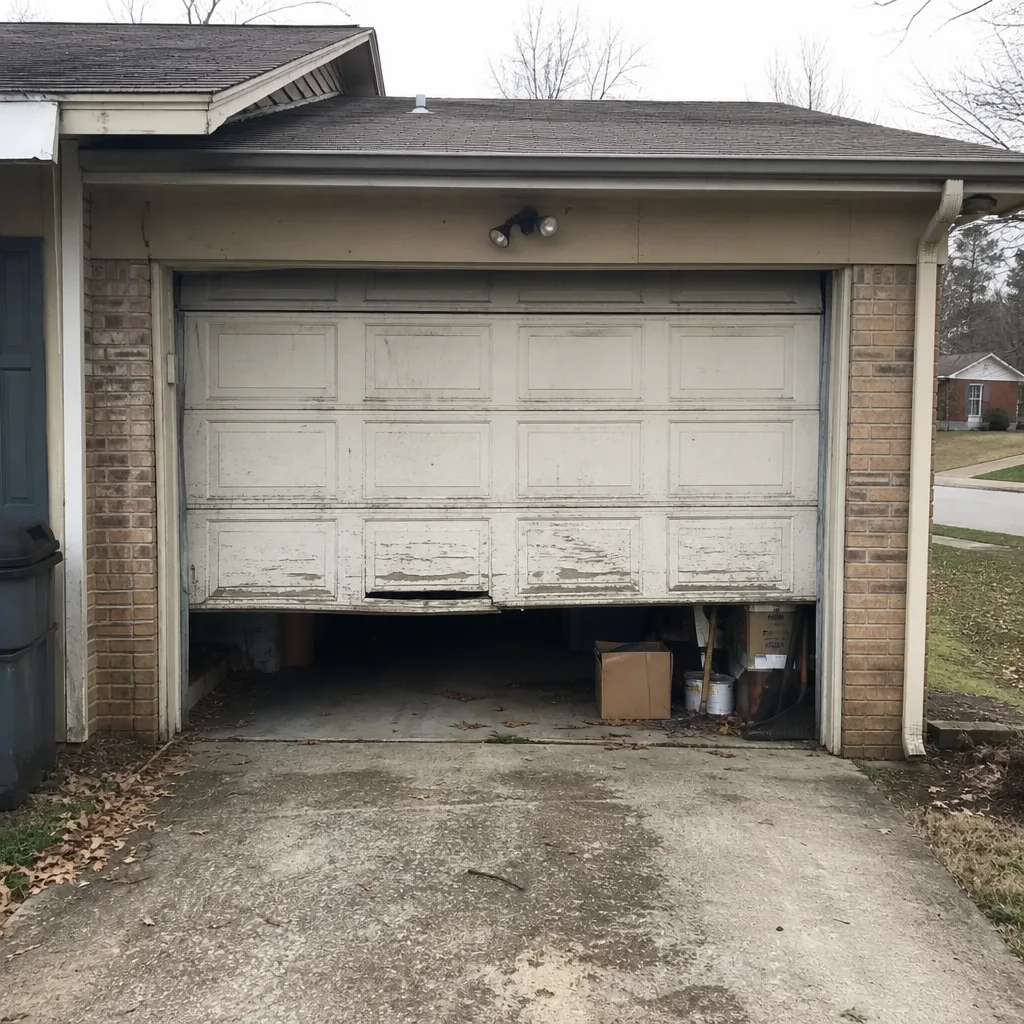 Before
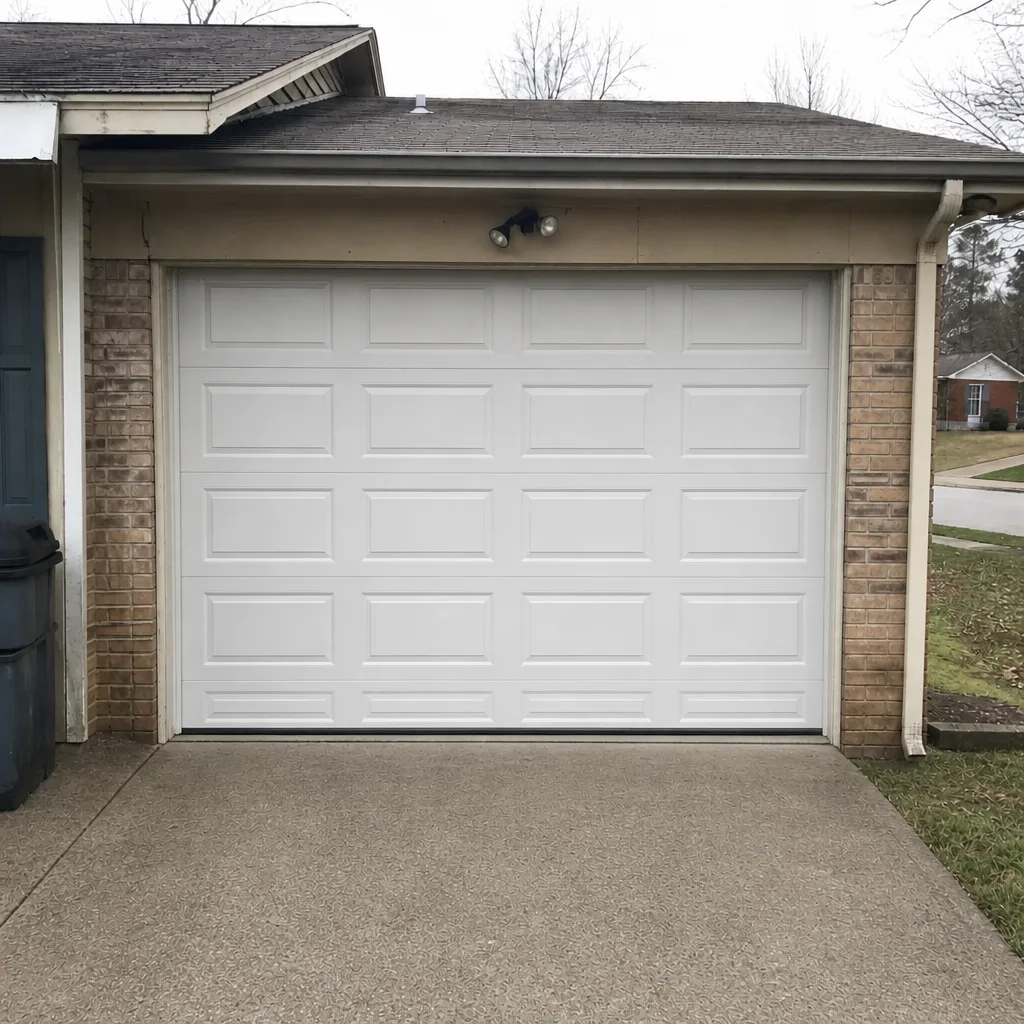 After
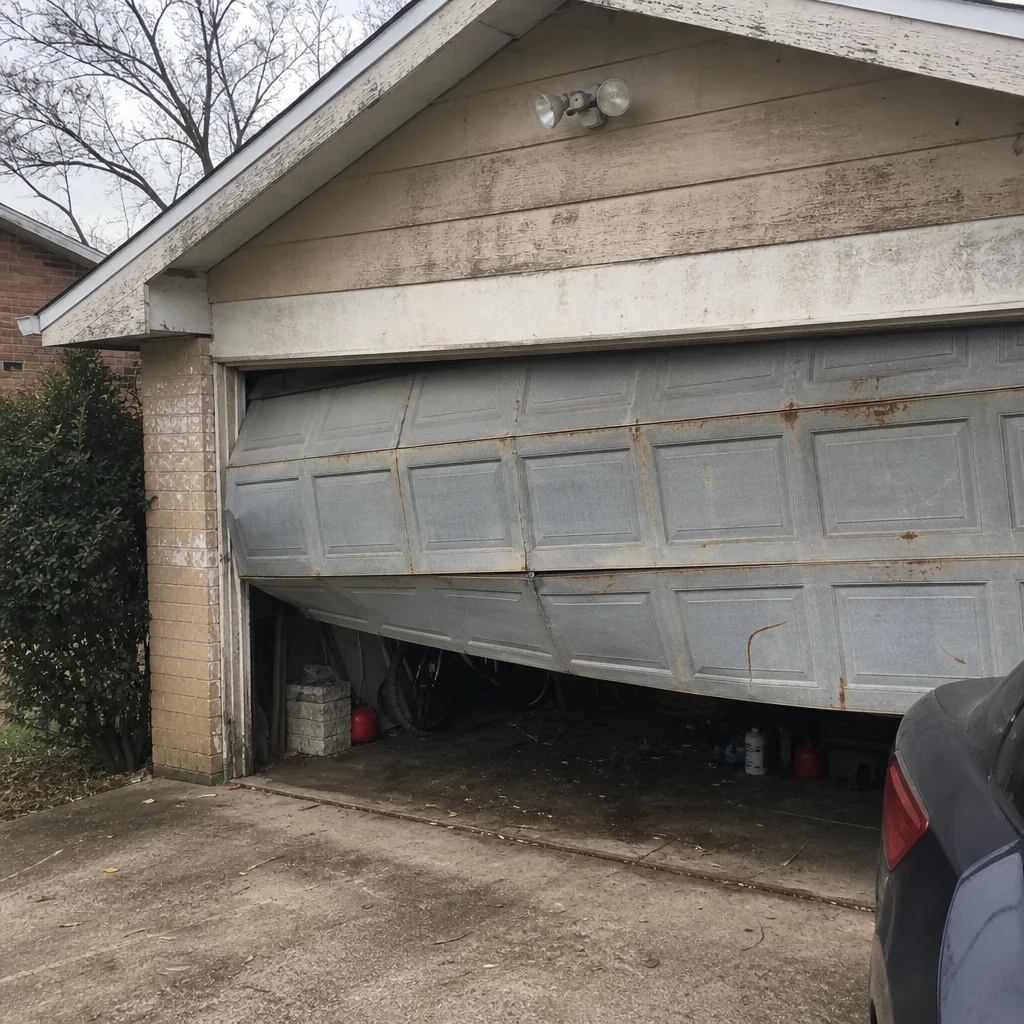 Before
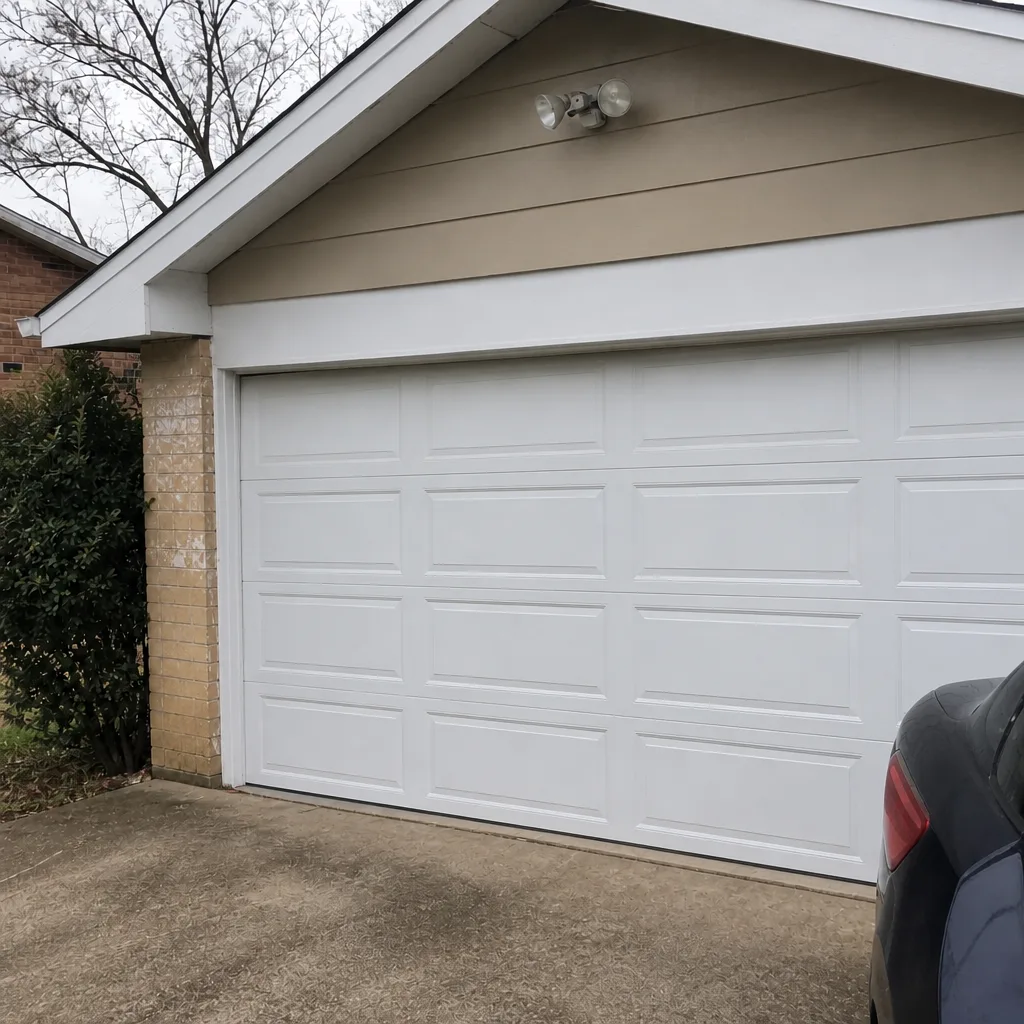 After
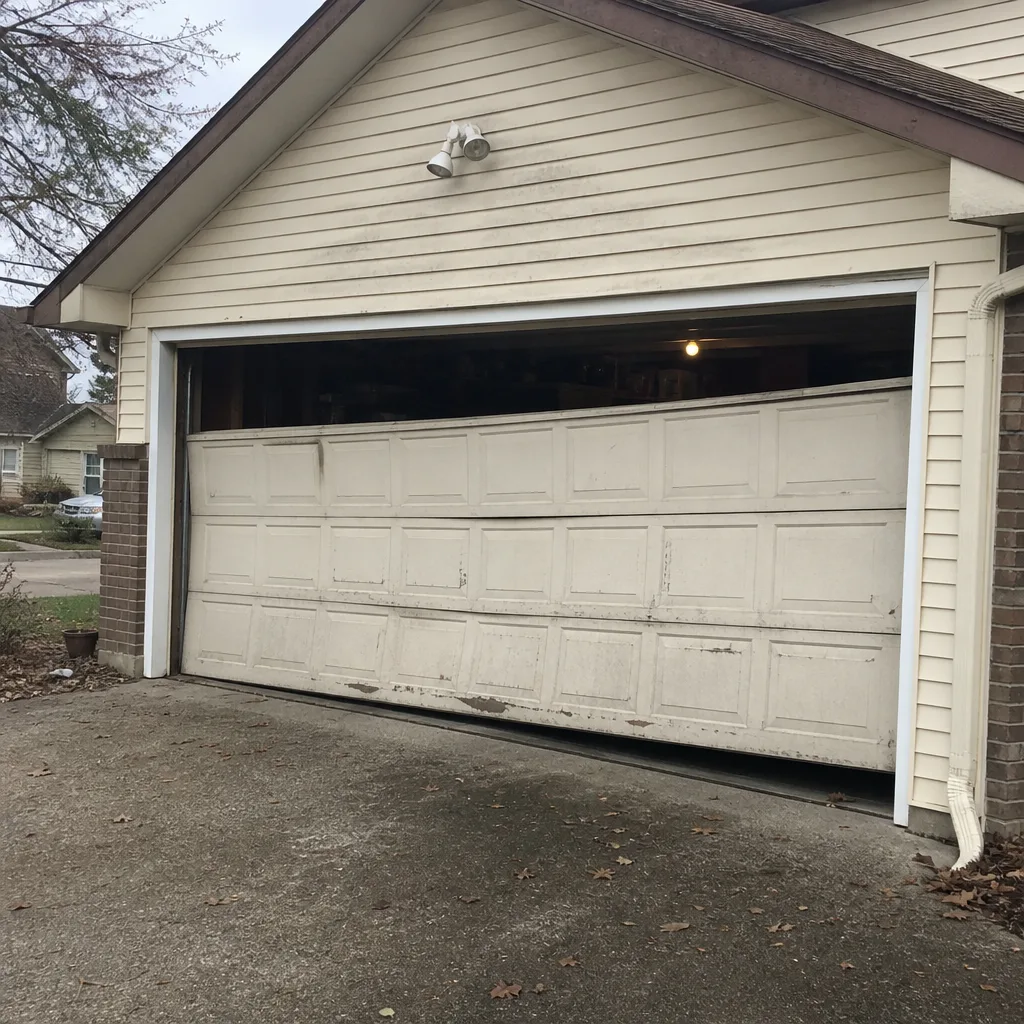 Before
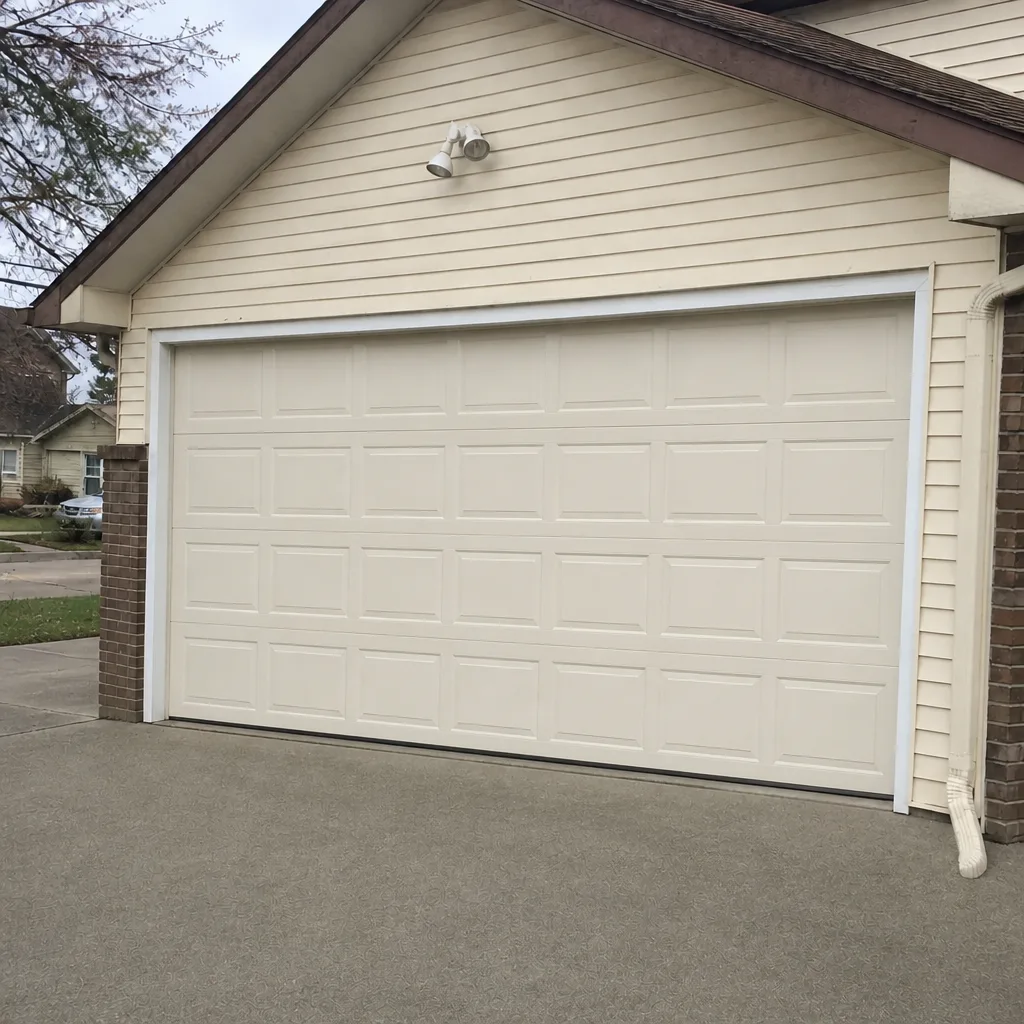 After
When to Call a Professional
Some garage door repairs are genuinely not for the homeowner, and it’s worth naming them clearly. Spring replacement, cable work, opener logic board repair, and anything involving electrical troubleshooting on the opener or the circuit feeding it belong with a trained professional. A garage door opener that runs but doesn’t lift the door is usually a spring failure or a stripped gear, both of which need the right diagnostic and the right part. A door that reverses before closing is usually a safety sensor issue but can also be a travel limit problem on the opener, and getting it wrong leaves a safety system disabled. Same for a door that’s difficult to lift manually, or one that won’t stay down without holding the button. Those are not “keep hitting the button and hope” problems.
If you’re weighing whether to call, the faster answer is usually to call. Starling Garage Door Repair offers free estimates in Nashville. You can reach the team directly at (855) 916-8763. We answer 24/7. Fast dispatch from 7am to 7pm, Sunday through Friday, closed Saturday. The technician who shows up will diagnose first and quote before any work starts. You’ll know the number before the first bolt turns.
Frequently Asked Questions
Ask what brands they’re trained to service and whether garage doors are their only line of work. A specialist can name the opener and door brands they handle without thinking about it and can talk about brand-specific parts. If the answer is “we do everything” or “we handle all brands,” the follow-up is “which ones do your technicians know best?” A real specialist answers that in a sentence. A generalist stalls. Starling Garage Door Repair is certified on eight major brands (LiftMaster, Chamberlain, Genie, Clopay, Amarr, Wayne Dalton, Craftsman, and Raynor), so brand-specific questions have a real answer. Call (855) 916-8763 for a free estimate.
Tennessee licenses contractors by classification and job dollar threshold, and garage door work doesn’t fall neatly into its own class, so a licensed home improvement contractor may legally take your job without garage door-specific credentials. The correct move is to verify the license through the state’s licensing portal and confirm insurance in writing before work starts, then separately confirm garage door experience. A license is a minimum. It isn’t a specialty credential. Call (855) 916-8763 for an exact quote on your job; estimates are free.
Same-day service is usually available for spring and cable failures. A broken spring leaves the door stuck and the opener at risk, so those calls get moved to the front. Call (855) 916-8763. We answer 24/7. A call outside dispatch hours is booked into the next opening, Sunday through Friday, 7am to 7pm. Fast dispatch during those hours, and no extra charge for same-day work.
No. The written estimate sets the price, and the price is quoted and agreed before any work starts. The one exception is a discovery the estimate couldn’t have anticipated, like an undersized spring on a door that was retrofitted with heavier panels nobody measured. In that case the correct procedure is for the technician to stop, explain what they found, and get your approval on any new number before continuing. Not replace the original spec and leave you with another failure in a season. Call (855) 916-8763 for a free estimate.
A free inspection is trustworthy when the tech arrives, measures, and explains what they found. It stops being trustworthy when the inspection ends in a same-visit replacement pitch before any repair option is discussed. The right sequence is diagnosis, repair option, and then replacement as an alternative. If the first number you hear is a replacement quote, ask what the repair costs and why the repair isn’t viable. A genuine specialist will answer that directly. Call (855) 916-8763 and we’ll diagnose before recommending anything.
Check two things: what “lifetime” actually covers, and who performs the warranty service. Most “lifetime” warranties cover parts for the manufacturer’s rated cycle count and cover labor for a much shorter window, often months. If the company that installs the door isn’t around in three years, the labor warranty is gone regardless of what it says. Ask for the warranty in writing before work starts, ask where the company is based, and ask how a warranty claim gets handled. A local specialist can actually show up. Call (855) 916-8763 for a written estimate and warranty terms.
The Bottom Line
Hiring a garage door contractor in Nashville comes down to four moves. Verify the Tennessee license and insurance before anyone shows up. Ask about brand-specific parts and experience, because that one question separates a specialist from a generalist. Insist on a written, itemized estimate that sets the price before work starts. And evaluate the warranty on parts and labor separately, with an eye on whether the company will be around to honor it. The Nashville market will always have opportunists in a boom. The homeowners who avoid them are the ones who ask the right questions before signing anything. If you want a straight answer on your door, Starling Garage Door Repair keeps the conversation focused on what’s actually wrong and what it costs to fix it. For homeowners in Nashville, that starts with one call.
Call (855) 916-8763 for a free estimate. We answer 24/7. Fast dispatch from 7am to 7pm, Sunday through Friday, closed Saturday. We work on eight major brands, repair first, and put the price in writing before any work starts.
Written by the team at Starling Garage Door Repair.