
Last updated November 16, 2026
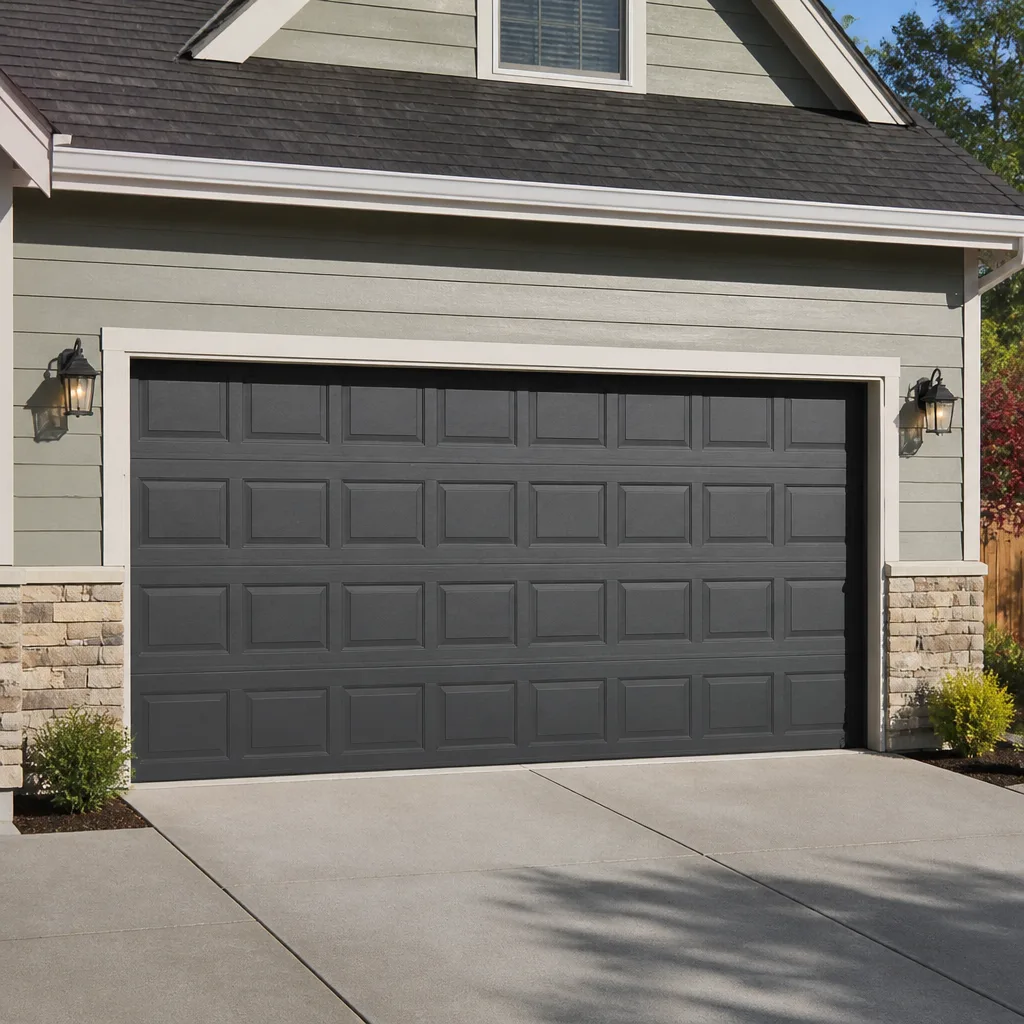 Raised-panel steel
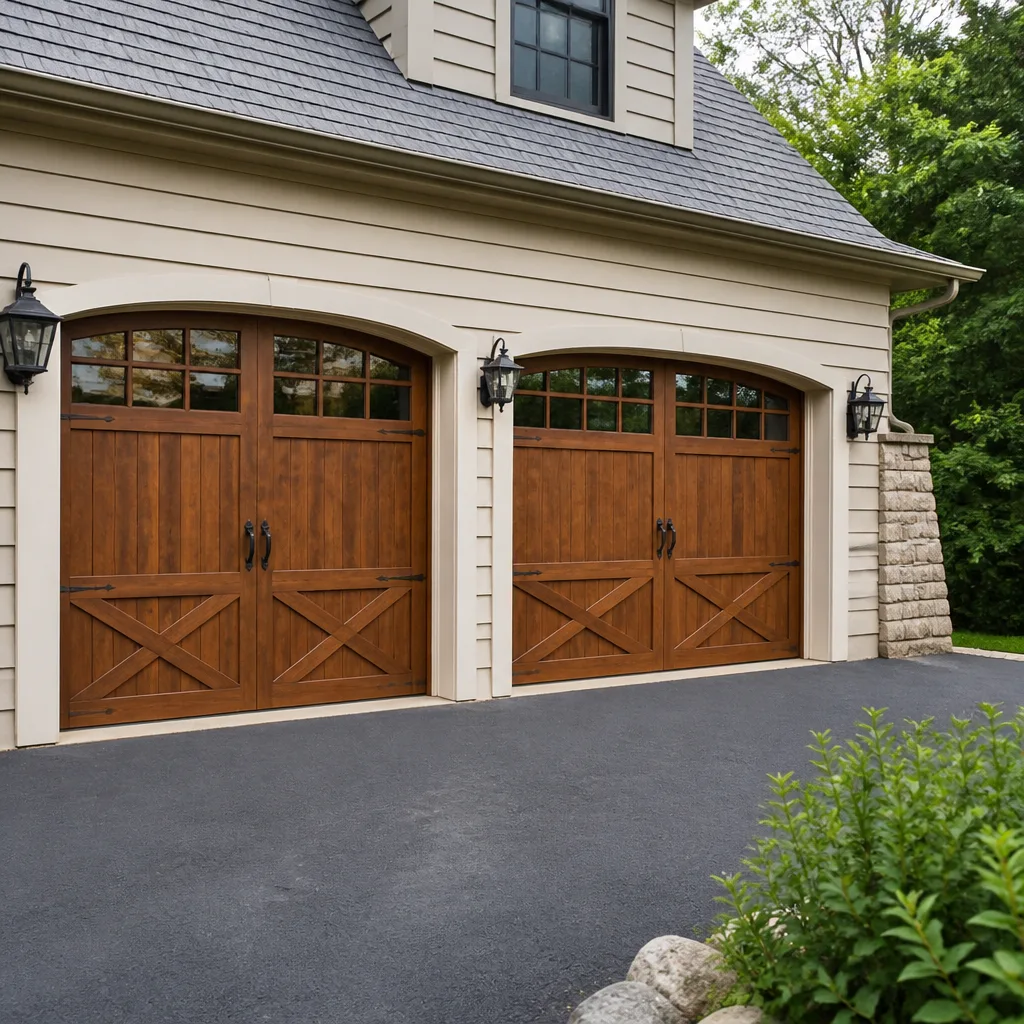 Carriage house
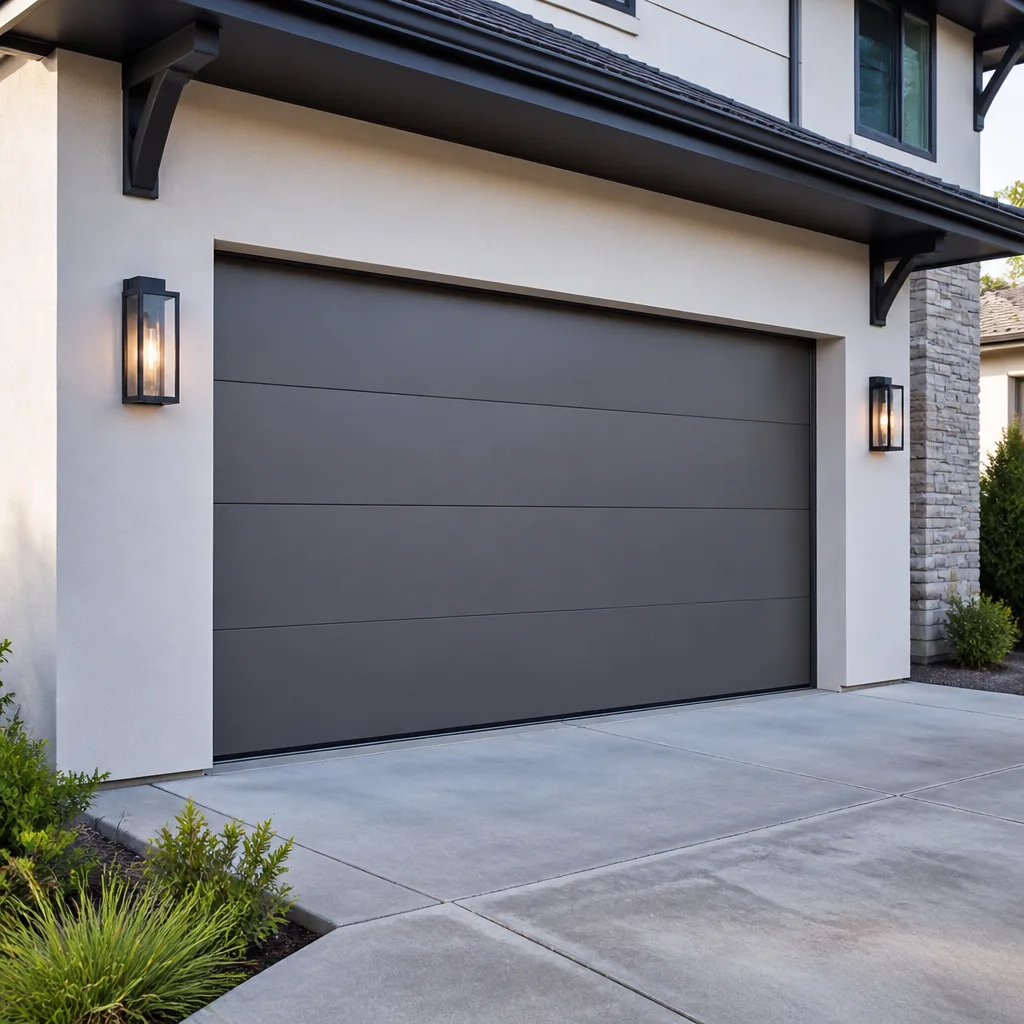 Modern flush
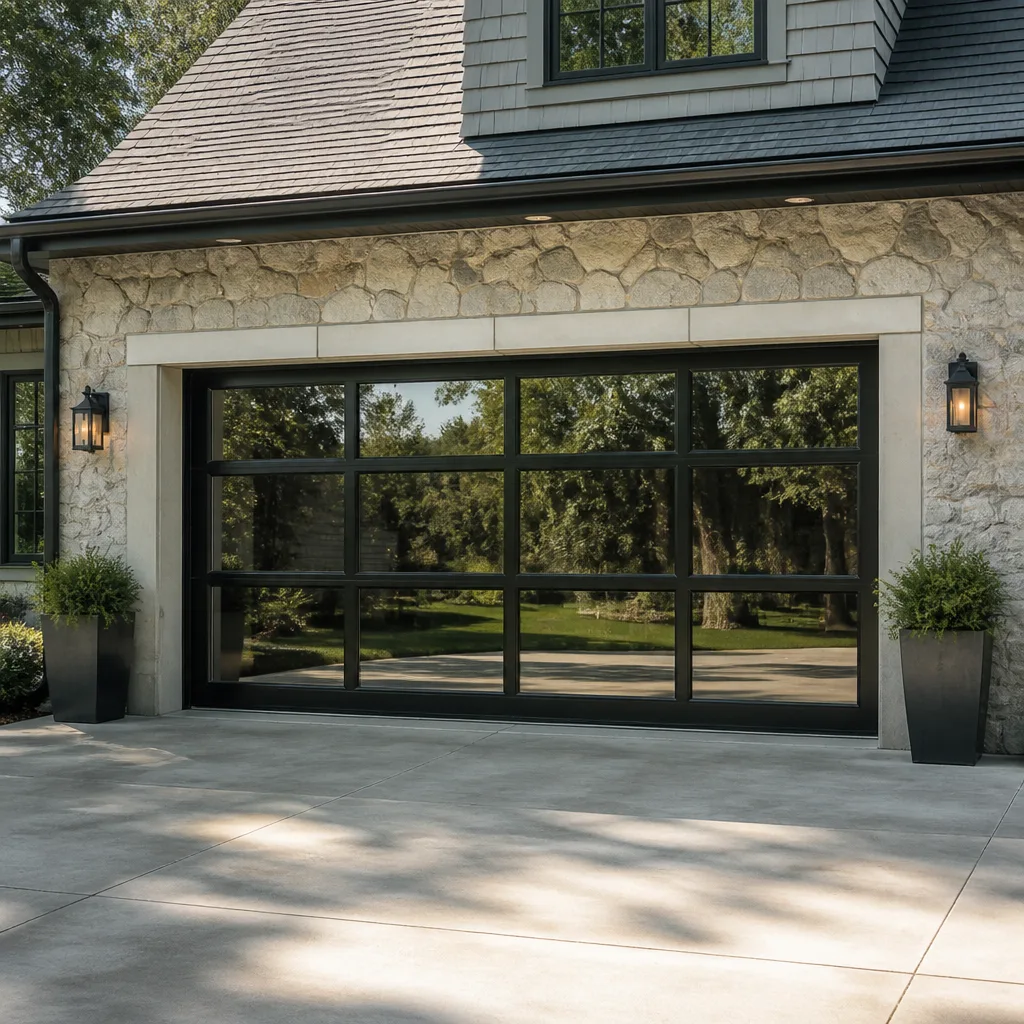 Full-view glass
 LiftMaster openers
 Chamberlain openers
Full 25-point door and opener safety check with every visit - springs, cables, rollers, tracks, and your LiftMaster or Chamberlain opener included
You get a price before we start. It does not change when the pro arrives.
Get your free estimateSeasonal Garage Door Care for Nashville: Year-Round Homeowner’s Guide
Most homeowners think of garage door upkeep as one chore on one spring Saturday. That’s the wrong model for Nashville. Our climate doesn’t ease a door gently through the year; it puts it through four separate stress periods, each one caused by a different mechanism. Winter ice can bond your bottom seal to the concrete slab overnight. Spring pollen and humidity work on the adhesive that holds your weatherstripping. Summer heat pushes south-facing slabs and warms the steel track. Fall’s wide temperature swings ask the most of every lubricated joint on the door. Learn which enemy you’re fighting in which month and the door lasts longer, runs quieter, and quits surprising you on a school morning. This guide covers all four seasons in Middle Tennessee, the mistakes we see most, and when a pro should take over. It’s written for Nashville homeowners who rely on the door daily.
Quick Answer
Seasonal garage door care in Nashville means four checkpoints a year: inspect springs, cables, and weather seals in spring after winter contraction; watch track alignment and slab expansion in summer heat; lubricate and prepare for freeze in fall; and keep the bottom seal free of ice in winter. Each visit is a visual inspection you can do in about fifteen minutes, plus a small amount of lubrication. Anything involving springs, cables, or opener load limits belongs to a trained technician.
Styles & brands we work with
- Raised-panel steel
- Carriage house
- Modern flush
- Full-view glass
- LiftMaster openers
- Chamberlain openers
Table of Contents
- Spring (March-May): The Post-Winter Checkpoint
- Summer (June-August): Heat, Slab Expansion, and Track Misalignment
- Fall (September-November): The Pre-Freeze Lubrication Protocol
- Winter (December-February): The Ice-Seal Fix That Prevents Emergency Calls
- Tornado Season and Garage Door Integrity
- Brand-Specific Care: Clopay, Amarr, Wayne Dalton, and Opener Systems
- Common Mistakes to Avoid
- When to Call a Professional
Spring (March-May): The Post-Winter Checkpoint
Spring is when the damage from January and February shows up. Cold contracts the steel in your door panels and your torsion spring, then warmth expands it back, and every joint, hinge, and roller in the system has shifted a fraction of an inch across that cycle. A door that felt perfectly balanced in November can feel noticeably heavier by April.
Nashville’s spring adds a second pressure point. Pollen coats every horizontal surface, including the top edge of your bottom seal and the top of your opener’s rail. Warm humid air arrives while the pollen is flying, and the combination of moist air and organic grit is hard on the adhesive that holds weatherstripping to the door frame. Where that adhesive fails, water gets behind the seal, and once the inside edge of a door panel takes on water, replacing a section of weatherstripping becomes a more involved repair.
Here’s the spring checklist in the order we’d run it:
- Test the balance. Pull the opener’s release handle, lift the door halfway by hand, and let go. A balanced door stays put. A door that drops on its own is telling you the spring tension is off, which is a technician job.
- Look at the spring and cables without touching them. A torsion spring is the coiled steel bar above the door, and extension springs run along the horizontal tracks. Visible gaps, rust, or a sagging extension spring mean a professional visit before you use the opener again.
- Walk the weatherstripping. Run a hand along the bottom seal and the side stops, looking for lifting adhesive, cracks, or gaps you can see daylight through.
- Wipe down the tracks and blow out the opener rail. A dry cloth on a pollen-dusted track keeps the rollers from grinding grit into the steel.
- Test the safety reverse. Place a piece of wood flat on the floor in the door’s path and close it. The door should reverse on contact. If it doesn’t, the opener needs attention before the season gets busy.
Spring is also the season to schedule routine garage door repair in Nashville if you’ve noticed anything on the list above. Fixing a worn seal or a slightly off-balance door in April is cheaper than fixing a broken spring in July. Our technicians have up to 15 years of experience reading exactly those signals.
Summer (June-August): Heat, Slab Expansion, and Track Misalignment
Nashville summers push a garage into the worst conditions a door will face all year. A garage facing south or west can sit well above ambient temperature for hours each afternoon, and the concrete slab under the door absorbs and holds heat. Concrete expands in that warmth. So does the steel track that carries your rollers. They don’t expand at the same rate, and the friction between them is where track misalignment begins.
What you’ll notice first is the sound. A door that used to run silently starts to scrape near one side or the bottom as the season heats up. That’s usually the track pulling a quarter inch out of vertical as the slab underneath it swells. Once the track is out of alignment, the rollers ride one edge of the groove, the door binds, and the opener starts working harder than it was designed to.
Summer care looks like this:
- Listen on a hot afternoon. Run the door on a 95-degree day, not at dawn. That’s when misalignment shows its face.
- Check the track by eye, with the door closed. Both vertical tracks should look parallel and plumb against the door frame. A visible lean means the track has shifted.
- Watch the rollers on the noisy side. Worn nylon rollers click and wear unevenly when a track has moved. Replacing rollers is far cheaper than replacing the opener they’re straining.
- Keep the garage ventilated. Opening the man door on hot afternoons keeps the humidity and heat buildup lower and reduces load on the opener’s capacitor.
- Look at where the bottom seal meets the floor. On a hot slab the seal can soften and take a permanent set into the curve of the concrete. If you can see light under a section in the afternoon, the seal is due for replacement.
South-facing garages in subdivisions around Franklin, Brentwood, and the older neighborhoods of East Nashville see more of this than shaded garages. If your door has been binding on hot afternoons, don’t wait for it to stop moving entirely. That’s the point where track adjustment becomes track replacement.
Fall (September-November): The Pre-Freeze Lubrication Protocol
Middle Tennessee has a wide swing between afternoon and overnight temperatures in fall. A 70-degree afternoon can drop to 40 degrees by morning and swing back by noon. Every metal part on your door expands and contracts through that range every single day. That wide daily swing is the reason fall lubrication matters more here than a one-time spray in October would suggest. It’s not just about the door running easier today; it’s about every moving joint carrying a film of grease into January.
The fall protocol in order:
- Clean before you lubricate. Wipe the tracks and hinges with a dry cloth. Lubrication over grit and pollen just makes grinding paste.
- Lubricate hinges, rollers, and pivot points with a garage door lubricant. Avoid penetrating oils and WD-40 for this job; they flash off and leave metal dry. A lithium or silicone lubricant stays put.
- Spray the torsion spring with a light coat. Only if your spring is exposed, and only across the coils; don’t try to work the spring by hand.
- Adjust the opener’s force limit if the door has been getting stiff. Check the manual for your opener model. LiftMaster and Chamberlain units both have a force adjustment dial or screw. Cranking the force up to compensate for a stiff door is a common mistake; the door should be free enough that the opener barely works.
- Test the safety reverse again. Same wood-block test you ran in spring.
- Inspect the bottom seal for cracking. The seal is your door’s only defense against an ice bond in January, and fall is the last easy window to replace it before the cold settles in.
Fall is also the season to think about your opener. If it chatters, hesitates, or stops halfway on cold mornings, a failing capacitor or worn drive gear is the usual culprit. We handle garage door opener repair across every major brand, and in our experience a repair is almost always cheaper than a replacement unit for a Chamberlain or Genie opener that’s mechanically sound. Replacing an opener because the light stopped working is a habit worth breaking.
Winter (December-February): The Ice-Seal Fix That Prevents Emergency Calls
Late-January ice storms are responsible for a big share of the broken torsion springs we see in Nashville each year. Cold doesn’t break springs by itself. That’s the misconception. The spring is designed for cold. What breaks it is what happens after the ice storm: overnight, the bottom seal of the garage door bonds to the concrete slab. At 6 a.m. the next morning, a homeowner presses the opener and the door doesn’t lift.
The opener keeps pulling. The torsion spring, which was adjusted for a balanced door, is now trying to overcome the door’s weight plus whatever ice is bonding it to the floor. That overload is what snaps a spring. Repeat it over a few ice-storm weeks and you have a spring that fails in February even though it had serviceable life left.
Preventing that cycle comes down to a few habits:
- Break the ice bond by hand before pressing the opener. Pull the opener’s release handle, walk to the outside, and gently work the bottom seal loose from the slab with a plastic scraper or your foot. Never apply force to the door frame or the panel itself.
- Clear the driveway drift away from the bottom seal. Snow that piles against the door freezes into a block by morning. A snow shovel against the seal area is the cheapest insurance on the whole system.
- Keep the bottom seal soft through the winter. A light silicone spray on the underside of the seal (not the track) reduces the bond between rubber and concrete.
- Watch for ice inside the garage. If you see ice on the inside of the door in a storm, the seal is compromised and it’s time for replacement, not another coat of spray.
- Never force the opener if the door hasn’t moved. Stop, release, and free the door by hand. A door that won’t move by hand needs a technician, not a second attempt from the remote.
If you do find a broken spring in January, it’s a safety issue, not just an inconvenience. The door is being held up by tension that’s no longer balanced. Do not run the opener, and do not attempt a DIY spring replacement. Torsion springs store enough energy to injure a trained adult who makes a mistake, and they’re not a homeowner project. Call for garage door repair and leave the door in place. If you’re in the middle of a Nashville cold snap, our technicians have up to 15 years of experience handling spring failures in exactly that weather.
Tornado Season and Garage Door Integrity: What ‘Wind-Rated’ Actually Means
Middle Tennessee sits in one of the country’s most active tornado corridors, and spring and early summer are the peak months. A residential garage door is the largest, weakest opening in your house. In a wind event, if the garage door fails inward, the pressure change can lift the roof and load the walls beyond what they were designed to handle. That’s the engineering reality behind the phrase “a wind-rated door protects the house.”
So what does “wind-rated” actually mean for a homeowner? It means the door and its installation hardware have been evaluated to withstand a specific design pressure, usually quoted in miles per hour. The number is on the door’s label or the manufacturer’s documentation. A basic model, regardless of brand, often carries a lower wind rating than a reinforced one. Clopay, Amarr, and Wayne Dalton all publish the wind ratings for their residential lines. If you don’t know your door’s rating, the label is the place to start.
Protecting your door’s wind resistance between storms comes down to a few structural points:
- Keep every hinge and roller tight. A door is only as wind-resistant as its weakest mounting point. Loose hinges focus the wind load on fewer fasteners.
- Check the track’s anchoring. Loose or pulled-out wall brackets mean the door can shift under load long before the panel itself fails.
- Don’t stack wind-blocking furniture in front of the door. A shelving unit against the inside of a garage door puts point pressure on the panel that the door isn’t designed for.
- Consider a proper wind retrofit during a scheduled replacement. If you’re replacing a door anyway, the cost of upgrading to a rated model and reinforced hardware is worth talking through with a technician.
Wind-rated hardware is not the same as a storm shelter. It reduces the risk of the door failing before the rest of the house. If you’re in a tornado watch, the right move is to be in your safe room, not at the garage door. But keeping hinges and tracks tight all year means the door has a chance to do its job under stress.
Brand-Specific Care: Clopay, Amarr, Wayne Dalton, and Opener Systems
Every door and opener brand has its own wear points, and knowing them speeds up the seasonal inspection. This is where a specialist makes a difference over a general handyman. Starling Garage Door Repair is certified to work on eight major brands: LiftMaster, Chamberlain, Genie, Clopay, Amarr, Wayne Dalton, Craftsman, and Raynor. There is no “we don’t service that brand” call with us.
Here’s how the seasonal care shifts by brand:
- Clopay doors often use a specific bottom seal profile. Replace it with the matching part, not a generic U-shaped rubber, or the seal will lift at one end on the second freeze.
- Amarr doors commonly pair with LiftMaster openers on new installs. When you’re tracking down a fall or winter hesitation, test the opener’s travel limits before assuming the door is binding.
- Wayne Dalton doors sometimes use proprietary torsion hardware on their higher-end lines. A technician needs to know the model before quoting a spring replacement, and it’s worth telling them the model on the call.
- Craftsman openers were sold heavily through Sears and remain common in older Nashville homes. Many are still working fine and can be repaired at the circuit-board and gear level if the diagnostic points that way.
- LiftMaster and Chamberlain share a lot of internal architecture. Both respond well to the fall force-limit check and both benefit from replacing the opener’s light bulbs with rough-service units to keep the electronics running cool in summer.
If your door and opener are a mismatched pair, seasonal care is where the mismatches show. We handle Starling Garage Door Repair work across the full system, doors and openers and installs. There is no need to call one company for the door and another for the opener.
Common Mistakes to Avoid
- Using WD-40 on the tracks and hinges. It’s a light oil that evaporates, not a garage door lubricant, and it leaves metal dry by the time the cold arrives. The right product is a silicone or lithium grease formulated for garage doors.
- Forcing the opener through an ice bond. This is the single biggest cause of broken springs we see in Nashville winters. Break the ice by hand or wait for it to loosen; never demand the door lift what it can’t.
- Ignoring summer heat-binding on a south-facing door. A door that scrapes on a hot afternoon is telling you the track has moved. Waiting for fall usually turns a track adjustment into track replacement.
- Cranking up the opener’s force setting to fix a stiff door. The force limit is a safety setting, not a workaround. If the door has gotten heavy, the spring or roller is the problem, not the opener.
- Replacing weatherstripping with a generic seal. Nashville’s fall moisture swings break the adhesive on cheap weatherstripping within a single season. Match the profile to the door.
- Skipping the balance test. A door that drops on its own is a spring that’s about to fail. Testing is a fifteen-second habit that catches the problem before a January emergency.
- Trying to adjust a torsion spring yourself. The spring is under tension that can cause serious injury. Springs and cables belong to a trained technician. There is no safe seasonal care task that involves touching them.
When to Call a Professional
Some signs are okay to handle in a season’s checklist. Others mean it’s time to call. Any broken torsion spring, sagging extension spring, or visible gap in a cable is a professional call, not a project. So is a door that won’t reverse on the wood-block test, an opener that stops partway through travel, a door that launches itself up too fast after you disengage the opener, or a track that’s visibly out of plumb. If your garage door has become an emergency during a cold snap or a scorching afternoon, don’t wait and hope it lasts until spring. Starling Garage Door Repair offers free estimates in Nashville and works on eight major brands, so the technician arrives knowing your door and your opener. Call (855) 916-8763. We answer 24/7. Fast dispatch from 7am to 7pm, Sunday through Friday.
See the difference
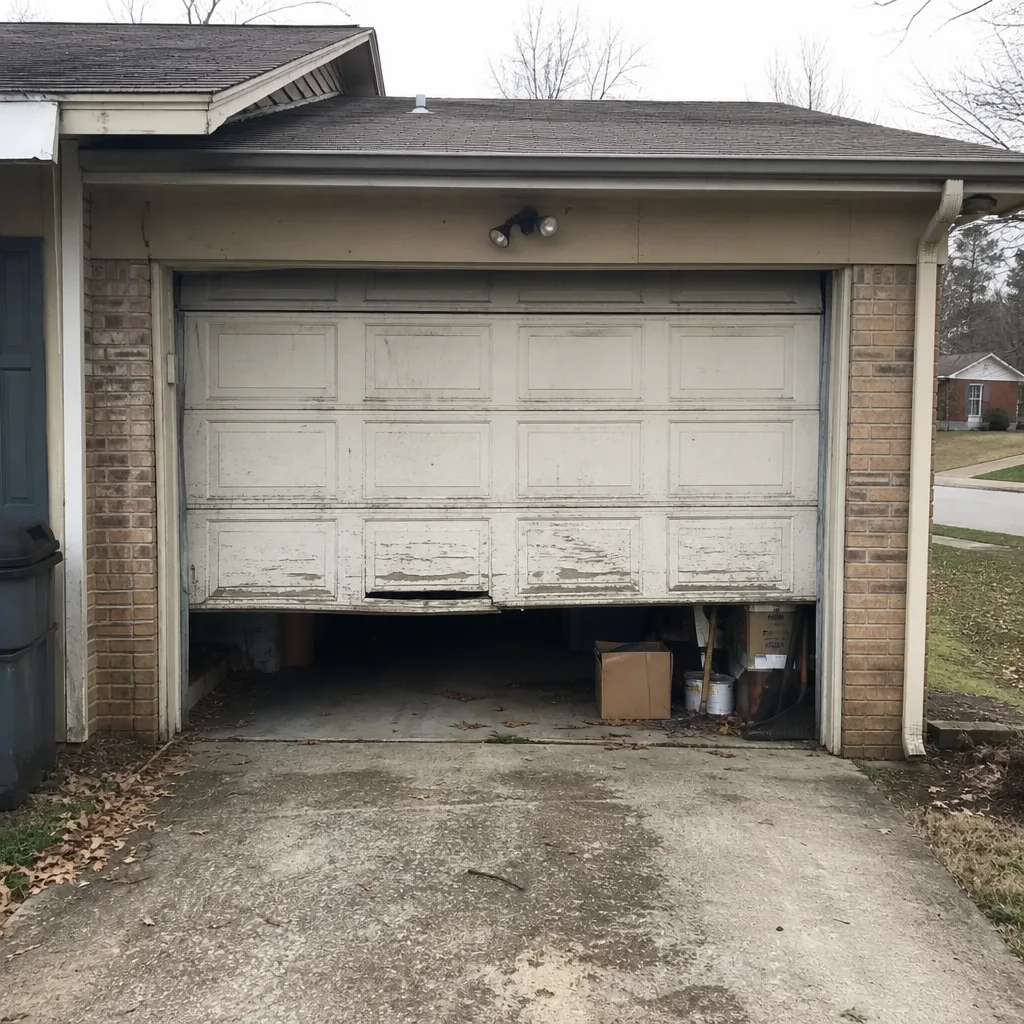 Before
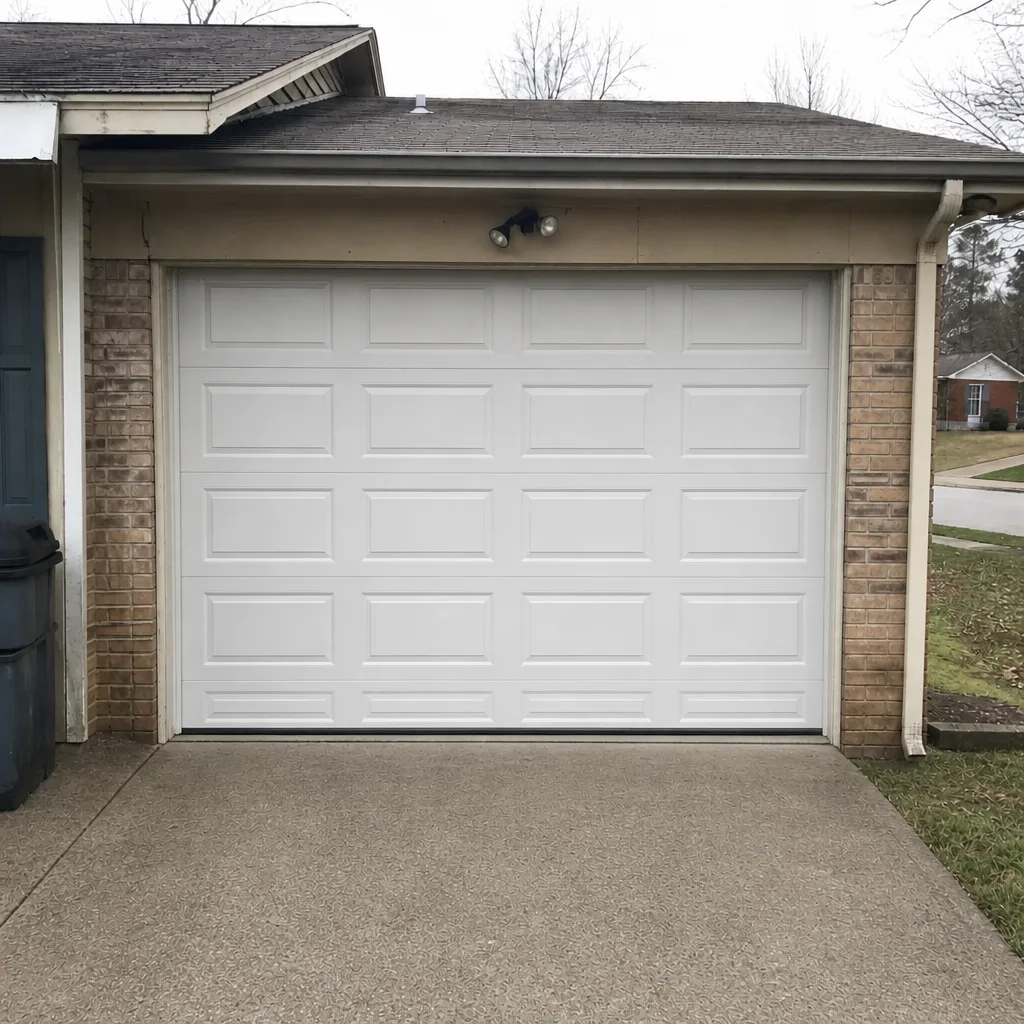 After
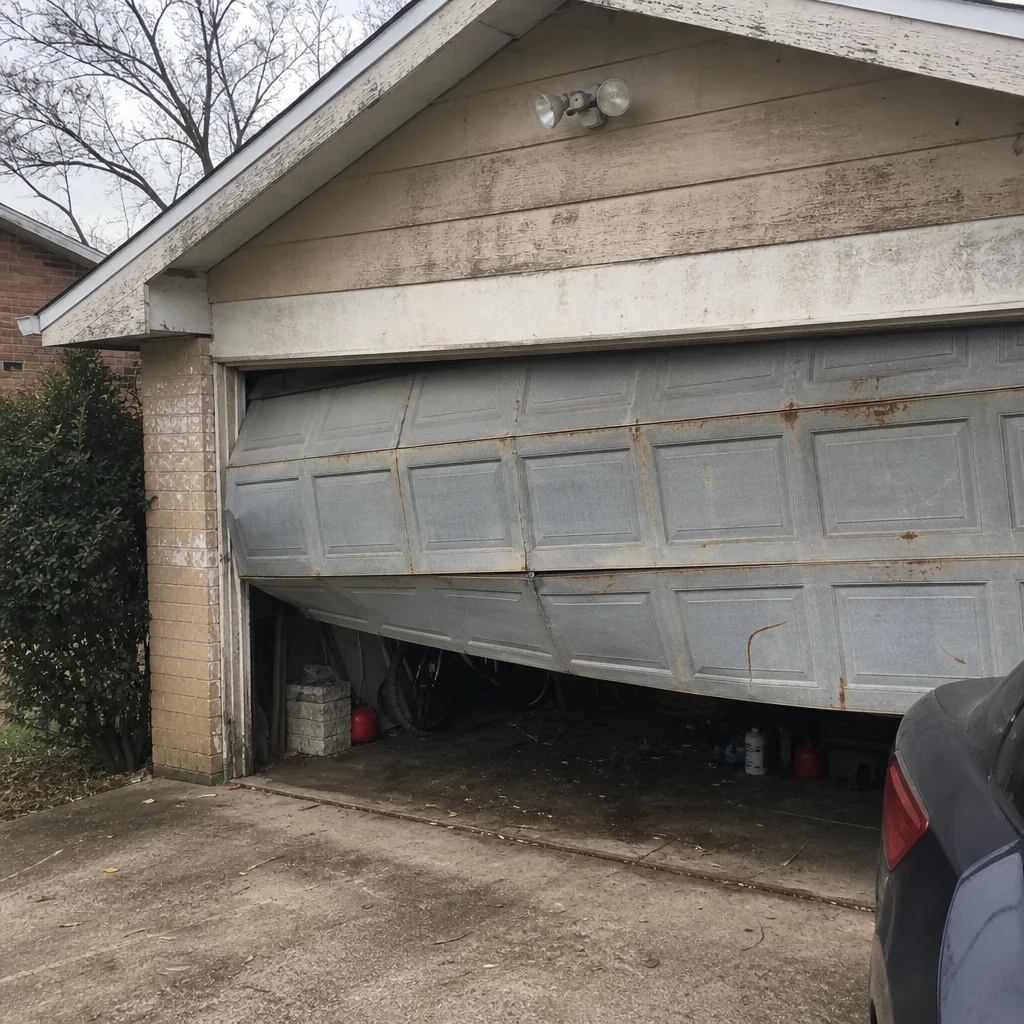 Before
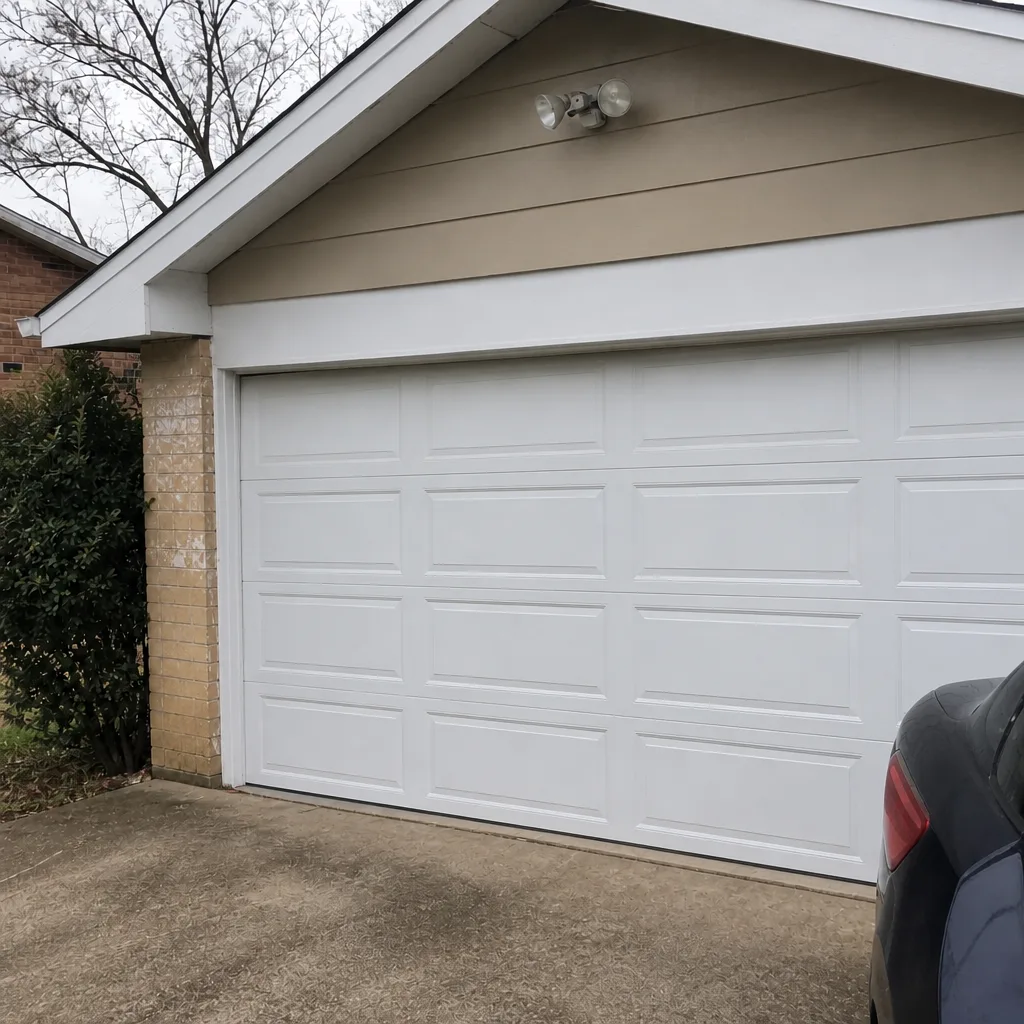 After
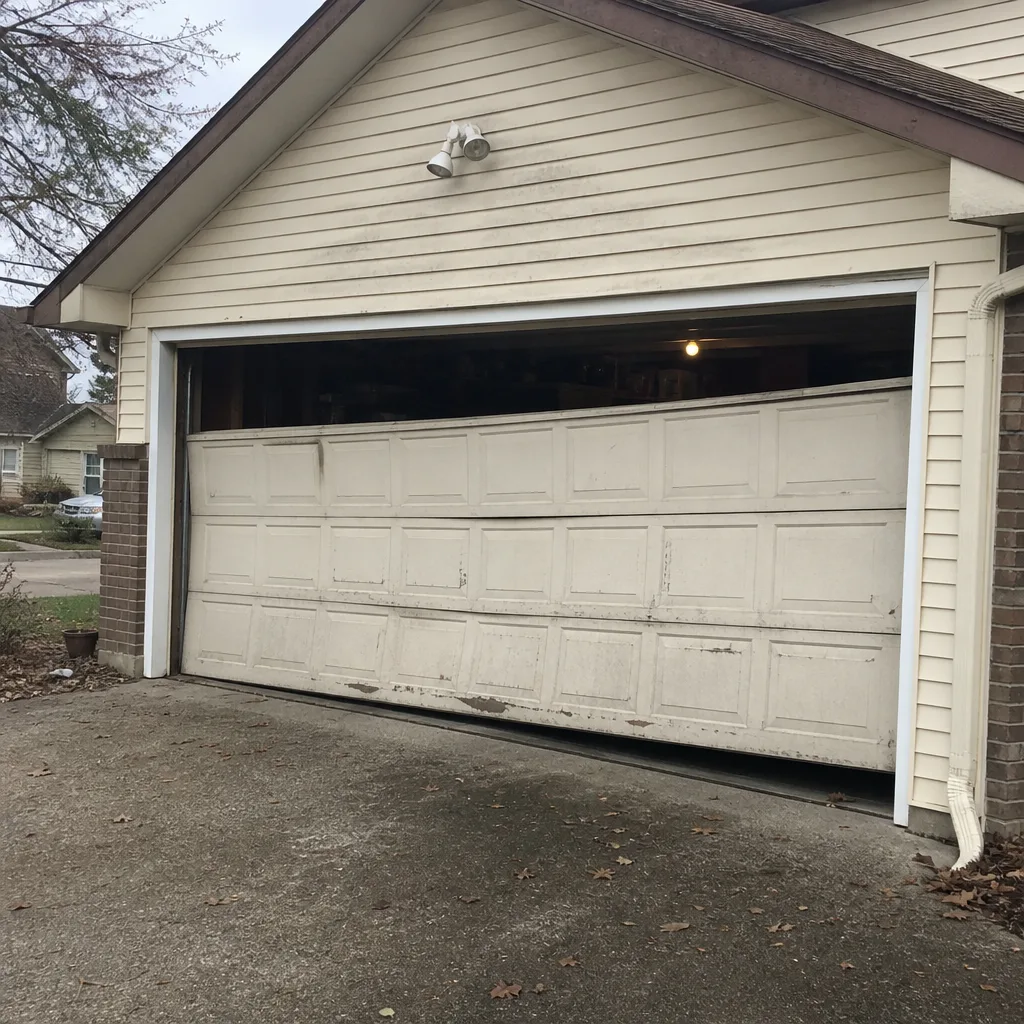 Before
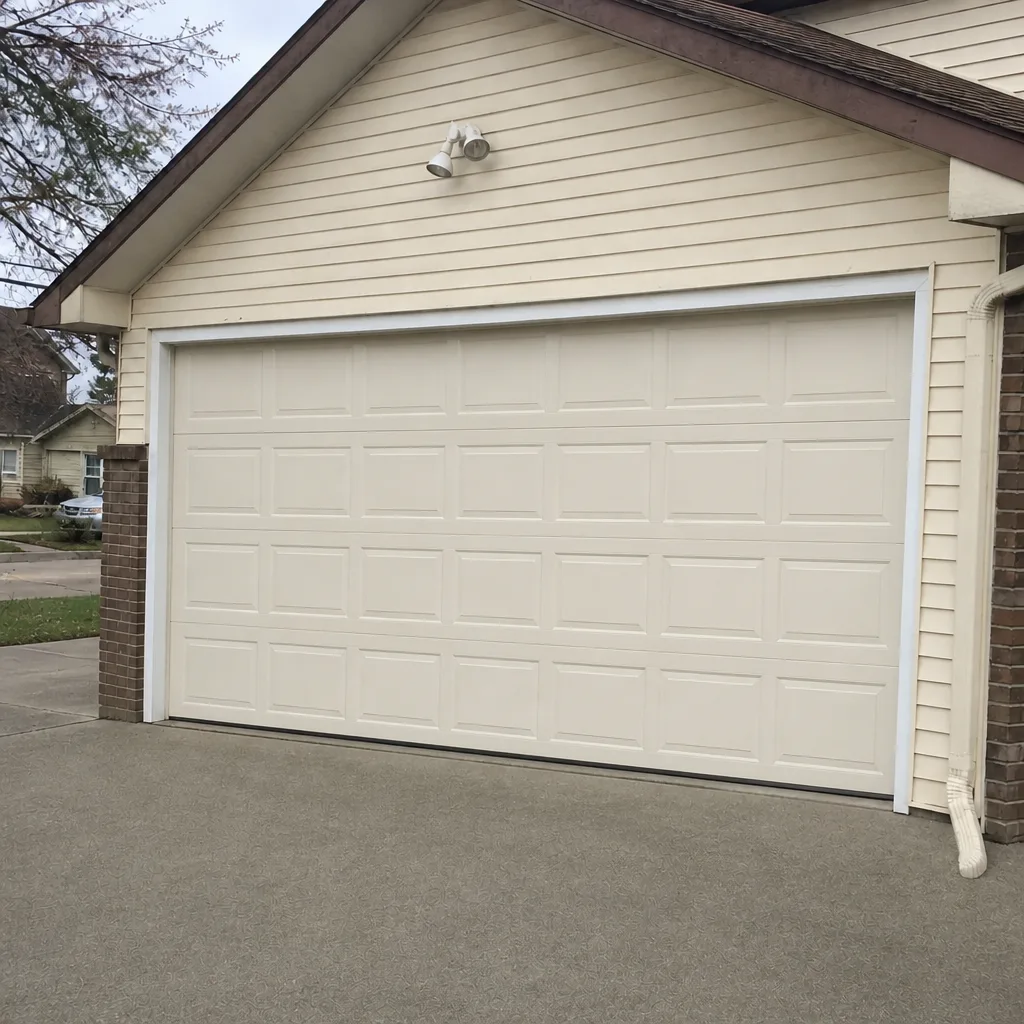 After
Frequently Asked Questions
Twice a year is right for most Nashville homes, once in spring after winter contraction and once in fall before the freeze. If your door faces south or you live in a spot that swings hard between day and night temperatures, add a summer track check on a hot afternoon. The seasonal visual inspections in this guide are the ones you can run yourself between visits.
Usually, yes. A torsion spring replacement is a one-visit repair for most residential doors when the technician has the right spring on hand, which is why telling us the door model when you call helps. Call (855) 916-8763 for an exact quote. Estimates are free.
Middle Tennessee swings from the teens in January to the high 90s in July, sometimes within a few months, and the fall and spring swing between afternoon and morning can hit 30 degrees in one day. That wide, frequent expansion and contraction is why fall lubrication matters more here than it might in a steadier climate.
South-facing concrete slabs expand in summer heat, and the steel track bolted to them expands at a different rate. The result is track misalignment that shows up as scraping or hesitation on hot afternoons. It usually means the track needs realignment, and waiting for it to fix itself rarely works.
It matters because a residential garage door is the largest opening in the house, and it fails inward before the rest of the structure does under wind load. A rated door and its reinforced hardware are engineered to hold to a specific design pressure. That buys the rest of the house time under stress. A storm shelter is still the right place to be during a tornado warning.
Yes. We work on all eight major brands we’re certified for, including Craftsman and Genie openers. In our experience, a lot of older units can be repaired rather than replaced when the problem is a drive gear, a capacitor, or a travel-limit setting that drifted. Call (855) 916-8763 with your model number and we’ll talk through what’s likely wrong before we arrive.
The Bottom Line
Nashville’s four-season pattern asks your garage door to face four different problems each year. Spring is the post-winter balance test and pollen cleanup. Summer is heat and slab-driven track misalignment. Fall is the deep lubrication that carries the door into the cold. Winter is the ice-bond prevention that eliminates the biggest cause of broken springs. Run a short checklist each season, keep the bottom seal and hinges in good shape, and leave springs, cables, and opener load adjustments to a trained technician. The door will run quieter, last longer, and stop surprising you on the mornings you need it most. Starling Garage Door Repair is a Nashville specialist for doors and openers across every major brand, and our technicians have up to 15 years of experience diagnosing those four seasonal signals. When the door needs a professional’s eye, call (855) 916-8763 for a free estimate. We answer 24/7, with fast dispatch from 7am to 7pm, Sunday through Friday. If you’re comparing options for Nashville, one call covers your door, your opener, and any install you’re planning.
Written by the team at Starling Garage Door Repair.