
Last updated November 16, 2026
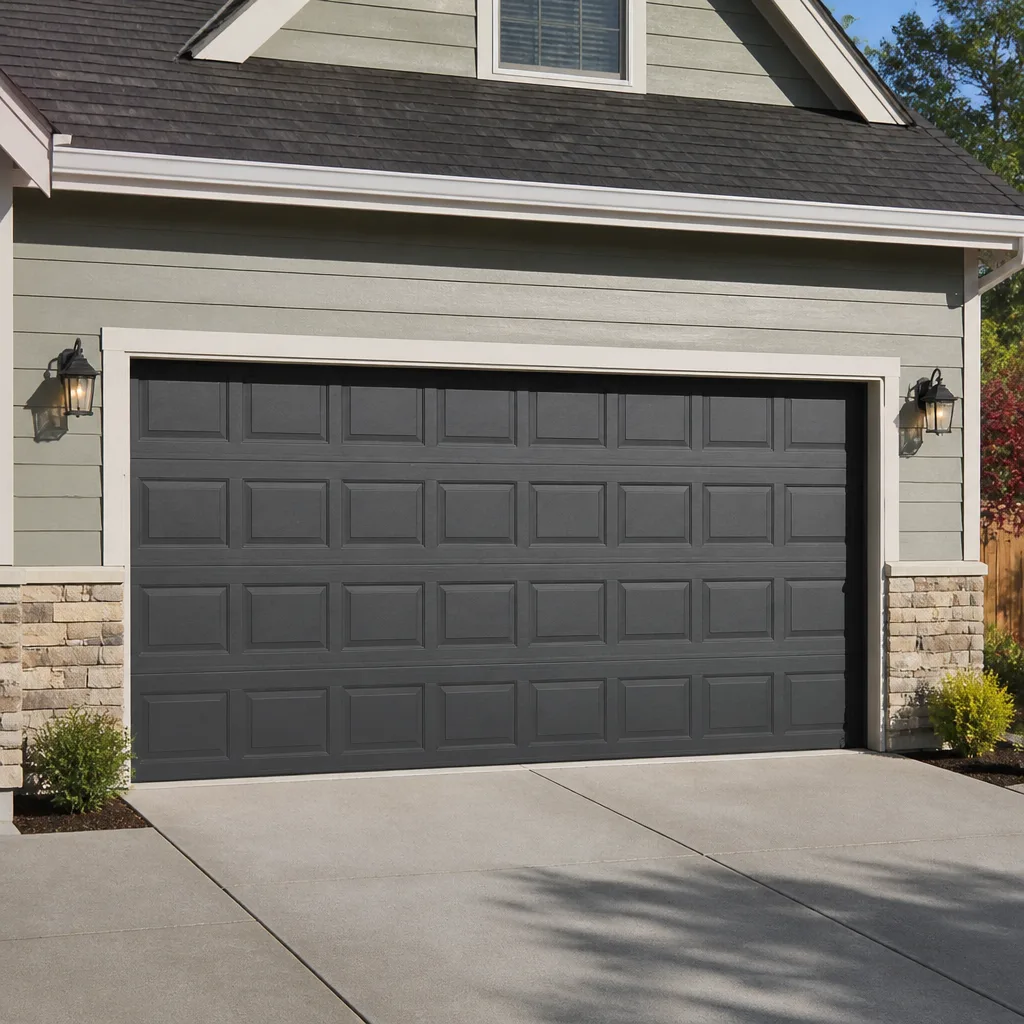 Raised-panel steel
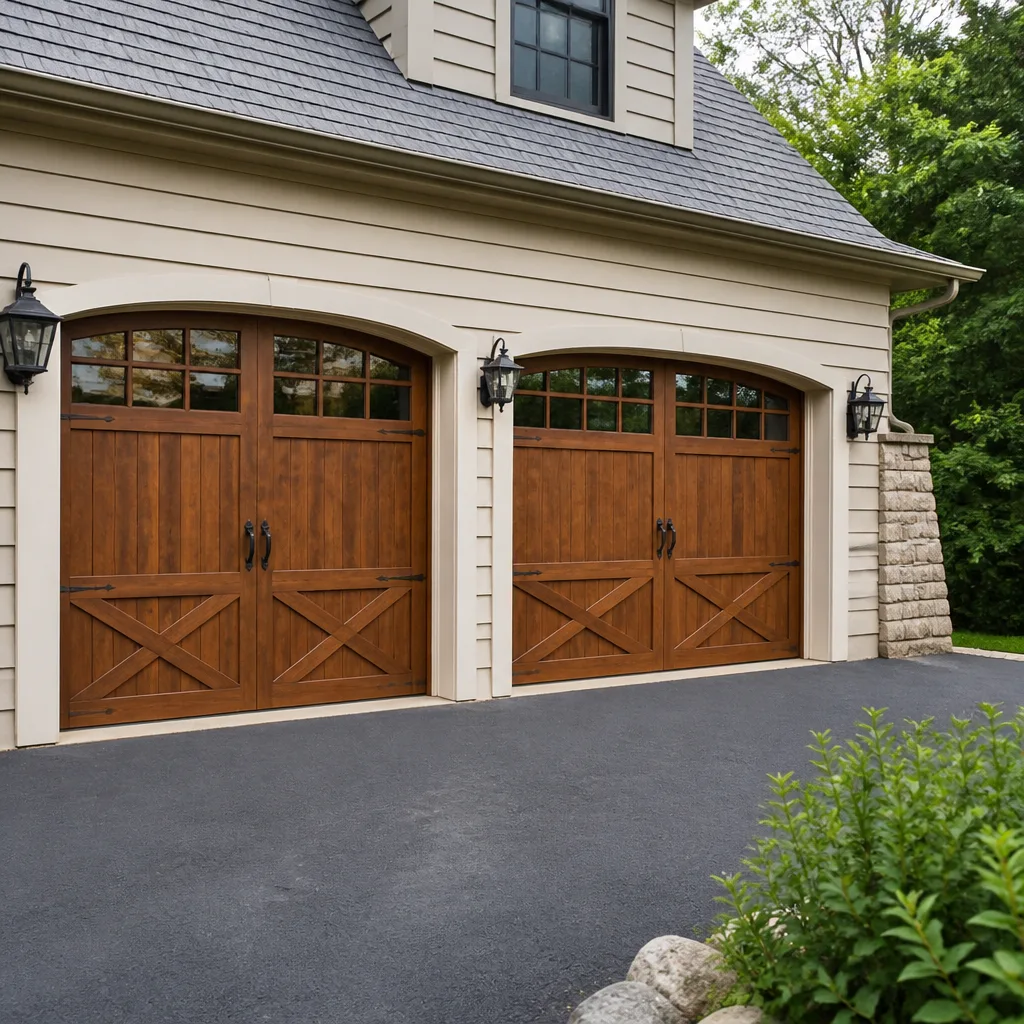 Carriage house
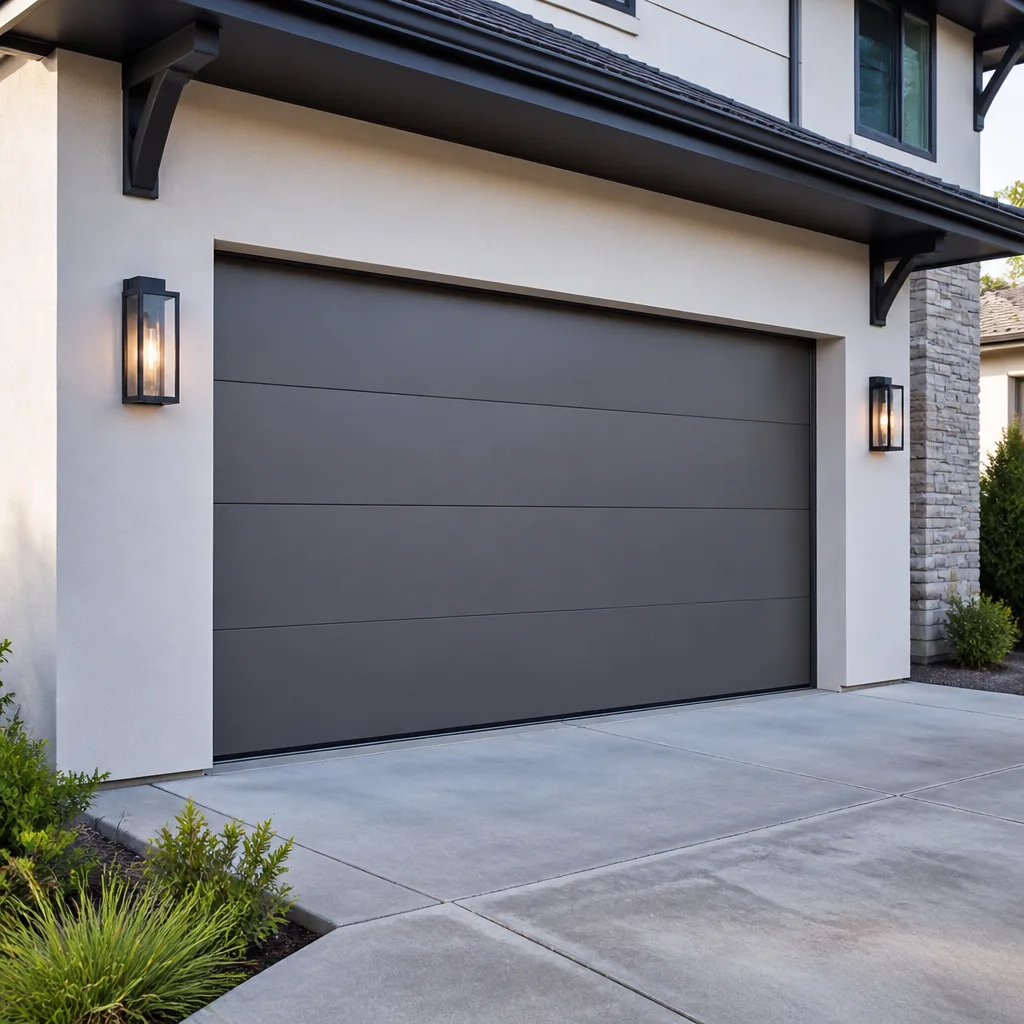 Modern flush
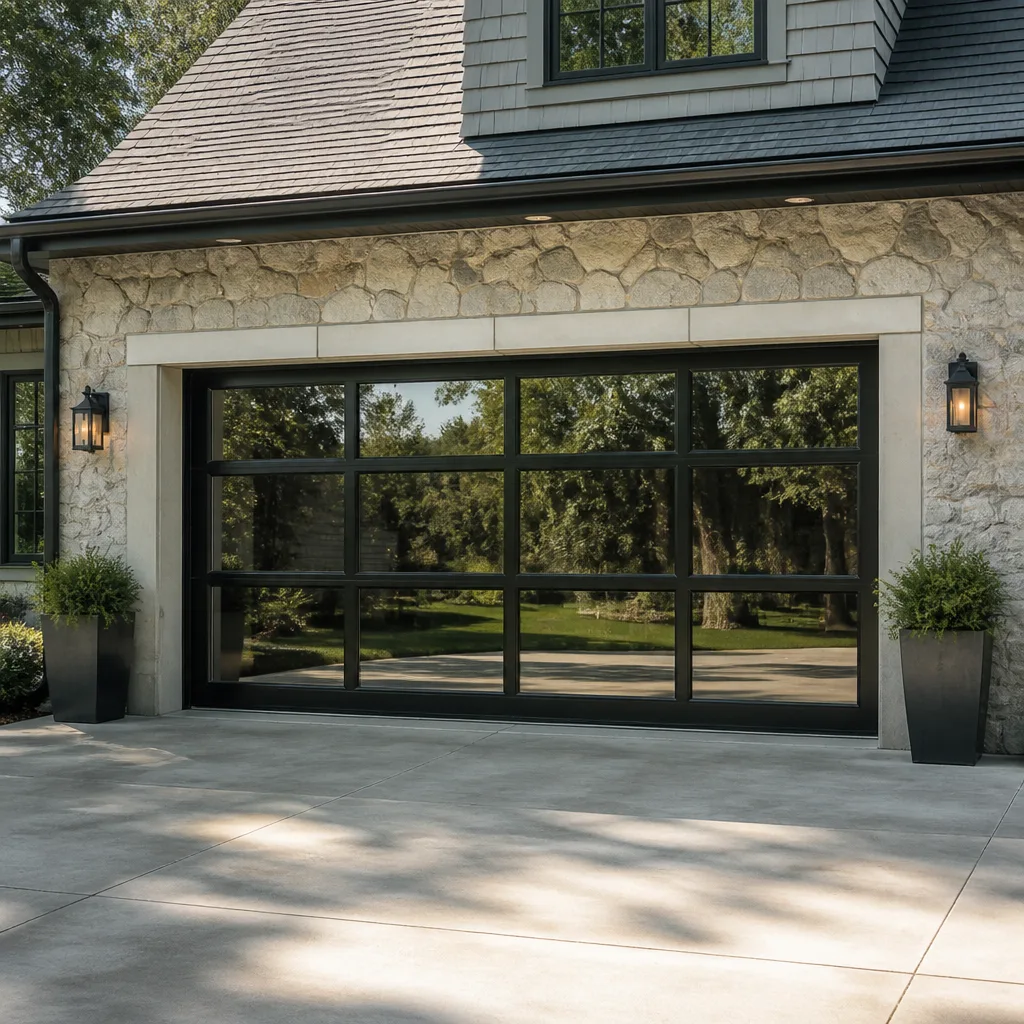 Full-view glass
 LiftMaster openers
 Chamberlain openers
Full 25-point door and opener safety check with every visit - springs, cables, rollers, tracks, and your LiftMaster or Chamberlain opener included
You get a price before we start. It does not change when the pro arrives.
Get your free estimateGarage Door Emergency Preparedness Guide for Nashville Homes
Most Nashville homeowners have a tornado plan and a power-outage kit. Almost none of them have thought about what happens to the largest moving object on their house when the lights go out. A garage door that won’t open is the one emergency most households never rehearse, and it locks away the car, the generator, and the way out. This guide is written from Nashville, for Nashville. It covers the release cord you should test before you need it, what to do with the door in the half hour before severe weather, which opener backups actually work, and how to check a door after a storm before you touch the button. Everything here is something you can do now, in calm weather, so the next outage isn’t a surprise.
Quick Answer
A garage door emergency in Nashville usually comes down to three things: knowing how to disengage the door manually, having a backup power source for the opener, and knowing which post-storm damage means “do not operate this door.” Learn the emergency release cord today, test it while the power is on, add a battery backup to a compatible opener, and treat a bent panel or slack cable as a stop sign rather than an inconvenience. Prepared in advance, most of these situations are a minor hassle instead of a real problem.
Styles & brands we work with
- Raised-panel steel
- Carriage house
- Modern flush
- Full-view glass
- LiftMaster openers
- Chamberlain openers
Table of Contents
- Using the Emergency Release Cord the Right Way
- Pre-Storm Actions for Nashville’s Tornado and Ice Season
- Battery Backup Openers That Work During Long Outages
- What to Inspect After a Storm Before You Open the Door
- Securing a Manually Opened Door From the Inside
- What to Do During a Power Outage
- When to Call a Professional
- Frequently Asked Questions
Using the Emergency Release Cord the Right Way
The emergency release cord exists so you can disengage the door from the opener and lift it by hand. In practice, the release cord is also where a lot of the damage happens, because people find it for the first time in the dark and pull it while the door is moving or under load. When the release is pulled mid-travel, the door can drop or the trolley can slam, and you’re left with a heavy panel jammed half open. The point of this section is to get you comfortable with the cord before you ever need it.
Here’s the sequence we walk homeowners through when they ask how to test a release safely:
- Close the door and cut power to the opener at the wall switch, not the breaker, so the opener can’t pull against you.
- Find the release cord. It hangs from the trolley that rides the rail. On most openers it’s a red or T-shaped handle on a short rope.
- Pull it straight down and slightly toward the door. Straight is important. Yanking sideways is what bends the release arm or snaps the cord.
- Lift the door by the bottom handle to confirm it moves freely on its springs. A door that won’t lift by hand, or that feels very heavy, has a spring problem and should not be forced.
- Re-engage it by hand before restoring power. Push the door up until the trolley clicks back into the carriage, or use the opener’s re-engage procedure.
The technique that prevents the secondary problem: never pull the release with the door more than about a foot off the ground, and never pull it while the opener is running. That’s what causes the door to slam, the arm to bend, or the cable to jump its drum. Test the cord once a season. If it’s stiff, frayed, or the handle is missing, that’s a five-minute fix worth doing while the power is on. Starling Garage Door Repair works on LiftMaster, Chamberlain, Genie, and Craftsman openers, and we can check your release hardware during any garage door opener repair call.
Pre-Storm Actions for Nashville’s Tornado and Ice Season
Middle Tennessee gets two very different kinds of dangerous weather, and they affect a garage door differently. Spring brings fast-moving supercells with straight-line wind and hail, sometimes with a tornado warning minutes after the sky turns. Winter brings ice storms that coat the door and the opener rail, then leave the power out while the temperature sits near freezing. The pre-storm routine that follows is built for that mix, and you can run it in the thirty minutes before a warning goes up.
When a tornado or severe thunderstorm watch turns into a warning, or the sky is going green:
- Close the garage door fully and leave it closed. An open door is a five-foot-tall wind scoop. Even a partially open door can let enough pressure in to buckle a panel or lift a lightweight door off its track.
- Move the car to the driveway or to the street if you have time and it’s safe to do so. A car inside a garage that may lose power is a car you can’t drive until the door is dealt with.
- Unplug the opener if you’re concerned about power surge when the lines come back, and be ready to use the release cord if the door fails to open.
- Bring in anything that can blow into the door from the driveway: trash bins, planters, kids’ toys. A wheeled bin driven into a door at speed does real damage.
When an ice storm is forecast:
- Clear the bottom seal and tracks of standing water and slush before a freeze. Water that refreezes in a track can lock the door solid overnight.
- Run the door up and down once while it’s still above freezing so you know it moves. That’s the last easy test you may get for days.
- Keep the release cord reachable. Ice can weigh it down or freeze it to the rail.
Every Nashville neighborhood handles this differently. A brick bungalow in East Nashville with an older single-car door and a Craftsman opener has a very different failure profile than a new-build in Green Hills with a two-car LiftMaster and a belt drive. Older doors are heavier and more prone to spring fatigue; newer doors are lighter but can be more sensitive to track misalignment from wind. The routine above works for both. It’s the details that matter, so if you’re not sure what kind of spring or opener you have, that’s a good question for us before the next storm season.
Battery Backup Openers That Work During Long Outages
Nashville power outages after a big storm can run for days rather than hours, especially in older neighborhoods with overhead lines. A battery backup opener is the single best upgrade for that reality, because it lets the door run normally for a while after the grid goes down. The catch is that not every opener supports a backup, and not every backup lasts long enough to matter. Here’s how to think through it.
The backup on most modern belt-drive and chain-drive openers works by running the motor off a rechargeable battery pack when power is lost. Those packs typically give anywhere from a dozen to several dozen open-close cycles, which is plenty for normal household traffic but not indefinite. When the battery runs down, you’re back to the emergency release.
Opener compatibility to check:
- LiftMaster and Chamberlain both have backup-capable models and aftermarket battery packs, and the two brands share a lot of design language, so a backup kit that fits one often fits the other. Look for an operator that’s explicitly sold as backup-ready.
- Genie models with a backup option are common on newer installs. If your unit is older, ask before buying a pack; not every generation accepts one.
- Craftsman openers are widely installed in Nashville homes, and some accept a backup kit while older ones don’t. That’s a phone call or a manual check, not a guess.
If your opener isn’t backup-capable or the backup has aged out, the options are to replace the battery pack if your model supports it, replace the opener with a backup-capable unit, or plan on the manual release. We repair openers across all four of those brands, so we can tell you which path makes sense for your door before you spend anything. Replacing a working opener to get a backup isn’t always the right call; repairing it and adding a $30 release-cord tag isn’t nothing, either. That’s the kind of decision we’ll give you straight, and you’ll get it in writing. If you want to read more about what goes into a garage door repair versus a replacement, that’s the place to start.
What to Inspect After a Storm Before You Open the Door
This is the section that prevents the worst outcome. A door that looks mostly fine after a storm can be structurally compromised, and pressing the opener on a compromised door is how a bent panel becomes a collapsed door. Before you hit the button, walk out and look. The checks below take about two minutes and cover the damage that actually matters.
- Look at the tracks. Run your hand along the inside of each vertical track. Any dent, kink, or outward bow means the rollers can jump the track when the door moves. Do not operate it.
- Check the panels for bending or separation. Stand back and look for a panel that’s bowed or that’s pulled away from its hinges. A single bent panel usually means the door took an impact and the springs may have been loaded unevenly.
- Look at the springs and cables. A broken torsion spring shows a two-inch gap in the coil. A cable that’s loose, frayed, or off its drum is dangerous. Do not touch either one. Both are under extreme tension, and this is not a job to take on without training.
- Test the balance by hand, carefully. Lift the door about a foot by the bottom handle with the opener disconnected. If it feels very heavy, or if it won’t hold in place when you let go, stop. The springs need attention.
- Check the bottom seal and the weather stripping for torn rubber or a panel that’s settled. A door that no longer meets the floor evenly has a track or roller problem.
Hail is uncommon in Nashville compared to the Plains, so most of the damage we see after a storm is wind-driven: a door pushed in slightly, a track knocked out of square, or a panel that took a hit from debris. If any of the checks above fail, leave the door closed and call. We can look at the door, tell you in plain terms what’s wrong, and quote the repair before anything starts. If you’re not sure whether it’s safe to operate, that’s the right moment to call Starling Garage Door Repair.
Securing a Manually Opened Door From the Inside
When the power is out and you’ve disengaged the door, you may be left with a door that’s open or that you’re worried will open on its own. This is a common concern in Nashville during long outages, when the weather is still rough outside and the house feels exposed. The good news is that a manually released door can be secured from the inside with a couple of simple, reversible moves.
To keep the door closed and resist wind pressure:
- Lower the door fully by hand until it rests on the floor, then re-engage the trolley if the opener has power. The opener’s carriage will hold the door in the closed position even without a working motor in some cases, but don’t count on it if the opener is dead.
- Slide a bar or C-clamp through the track just above a roller on each side. This is the classic manual lockout: it stops the door from rolling up even if the springs are unbalanced. Use a proper clamp rated for the load, not a screwdriver.
- Brace the door panel at the bottom with a piece of lumber cut to fit between the floor and the bottom bracket if you’re worried about wind. That’s the same trick many homeowners use in hurricane country, and it works for a lightweight door in a tornado-warned evening.
To keep the door open for ventilation or access:
- Disengage the opener fully so it can’t pull the door while you’re working around it, and prop or clamp it so it can’t drop.
- Never leave the door open with a car inside during high wind. Close it first, move the car, then reopen if you need to.
These aren’t permanent fixes, and they aren’t a substitute for a working opener and balanced springs. Once the power is back, re-engage the door properly, run it up and down a couple of times, and check for anything that changed. If the door ran fine before the outage and doesn’t after, something shifted and it’s worth a look. Craftsman and Raynor doors in particular are common on older Nashville homes, and older doors are the ones most likely to shift in a long outage where the door sat open for days.
What to Do During a Power Outage
An outage is the moment all the preparation either pays off or doesn’t. The steps below are the short version of everything above, put in the order you’d actually do them.
- Don’t press the button repeatedly. If the opener doesn’t respond, the power is out or the opener has a problem. Repeated pressing can leave the opener’s logic board confused when power returns.
- Use the release cord correctly (see the section above), not in a panic and not while the door is up.
- Check whether you have a battery backup. Most backup openers will still work for a period after the outage begins. Try the wall button first, then the remote.
- Keep the door closed if the weather is bad. Open only to move a car in or out, and close it again as soon as the car is clear.
- When power returns, wait a minute before testing the opener, then run the door through a full cycle and watch it. Anything that looks off is a call.
Nashville outages in the wake of a spring storm can last a while, and the garage door is often the last thing people think to check afterward. That’s a mistake. The door may have been stressed while you were opening and closing it by hand, and a spring that was already near the end of its life doesn’t recover. The same goes for a door that weathered a tornado warning with a bent track. The point of all this isn’t to scare you, it’s to make the next outage routine. If you’re in Nashville and your door didn’t survive the last one, call (855) 916-8763. We answer 24/7. Fast dispatch from 7am to 7pm, Sunday through Friday.
See the difference
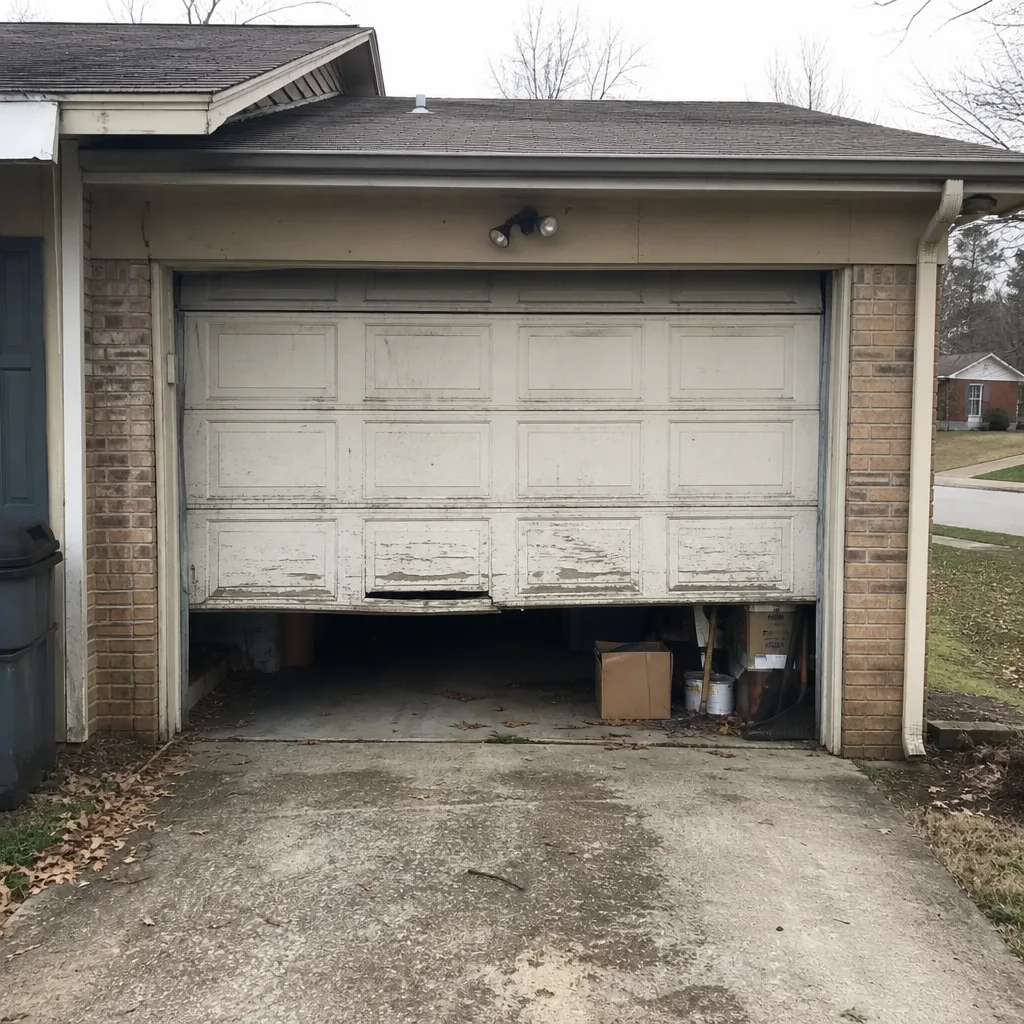 Before
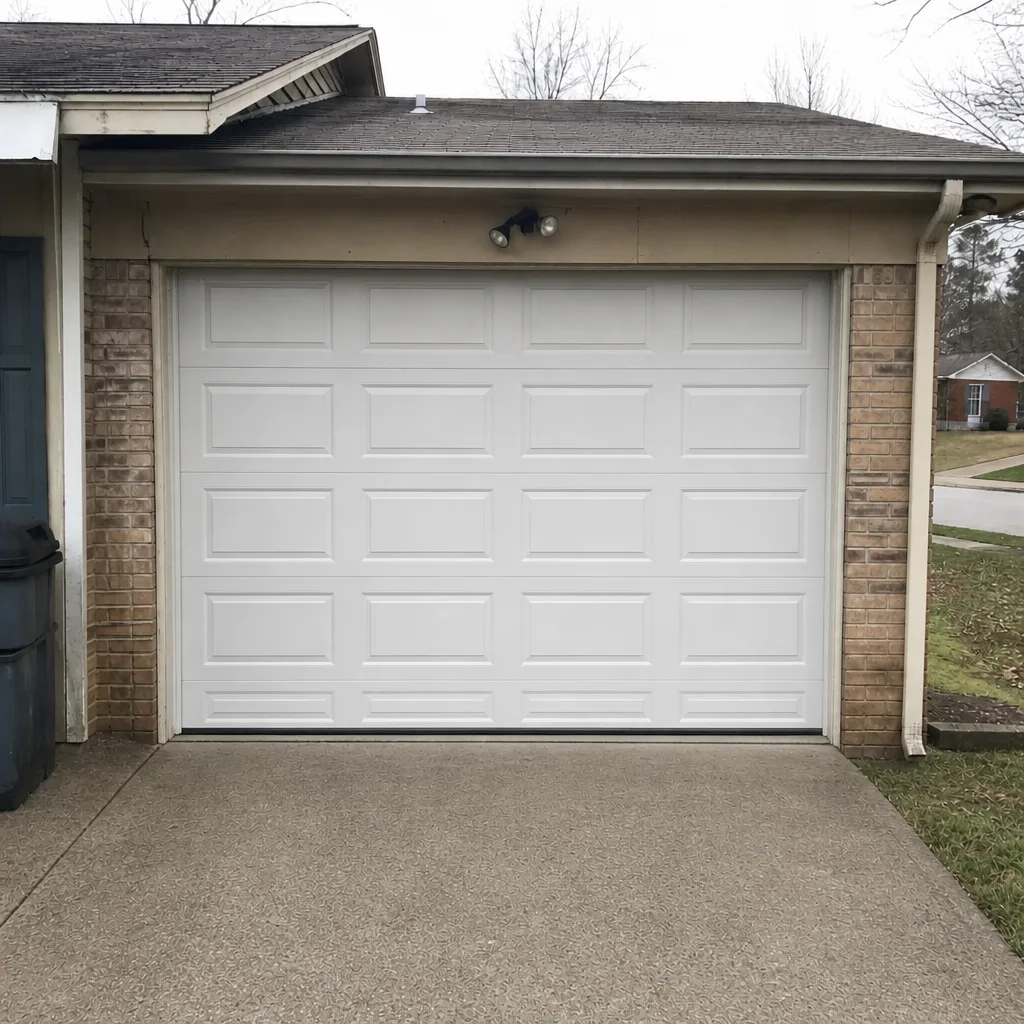 After
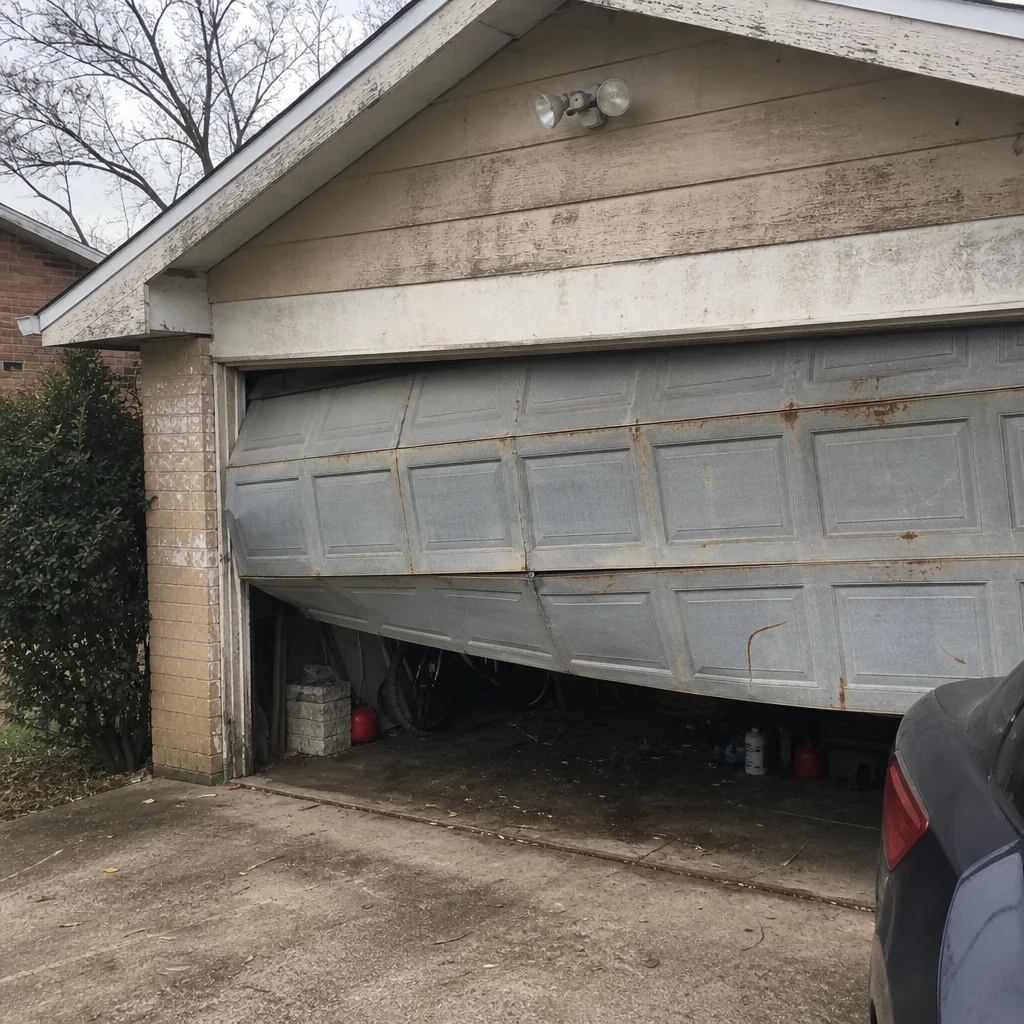 Before
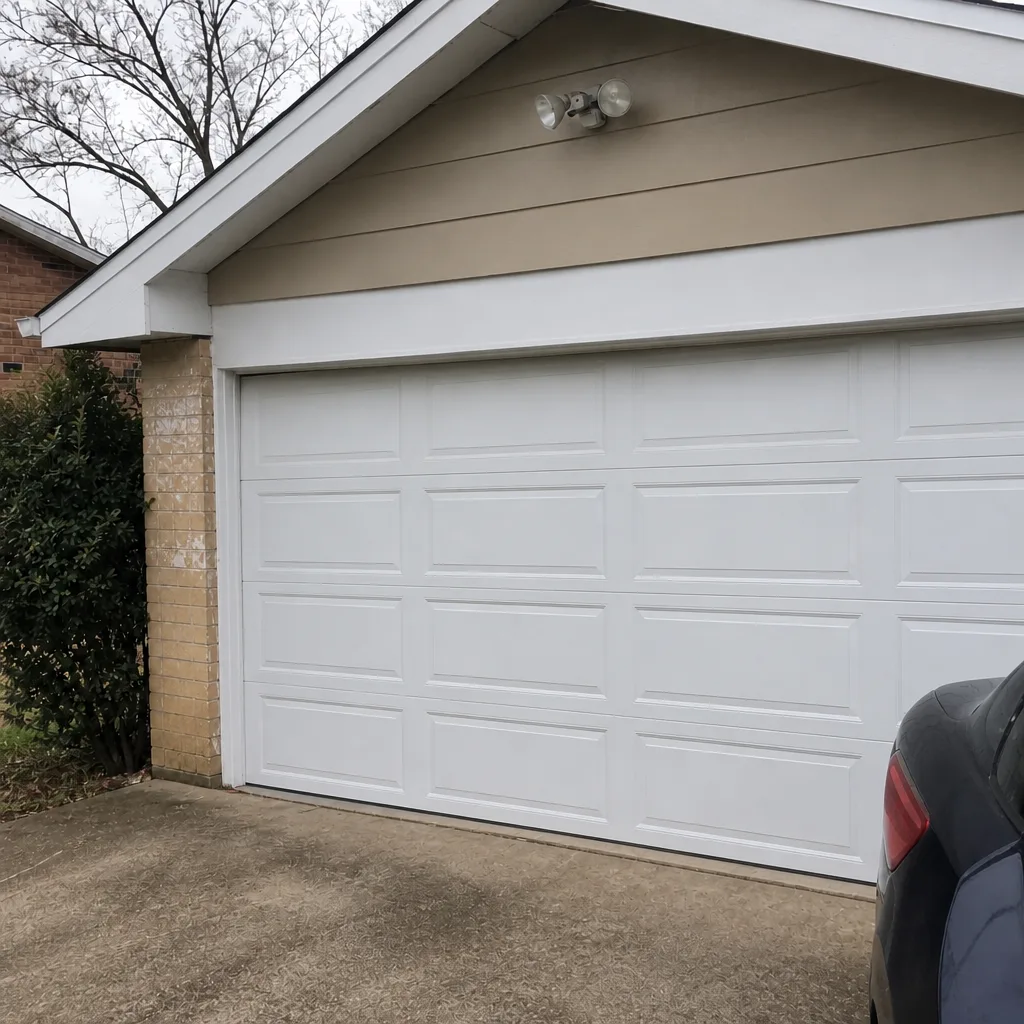 After
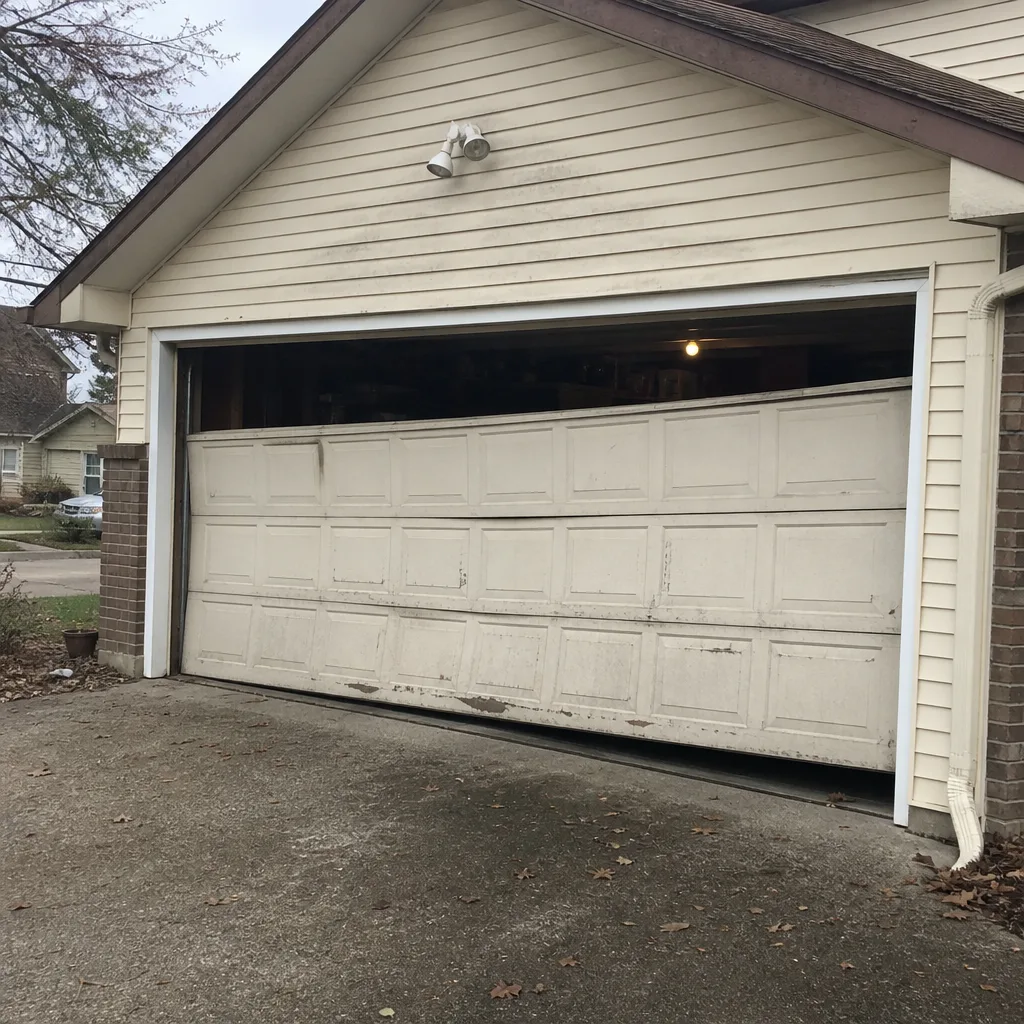 Before
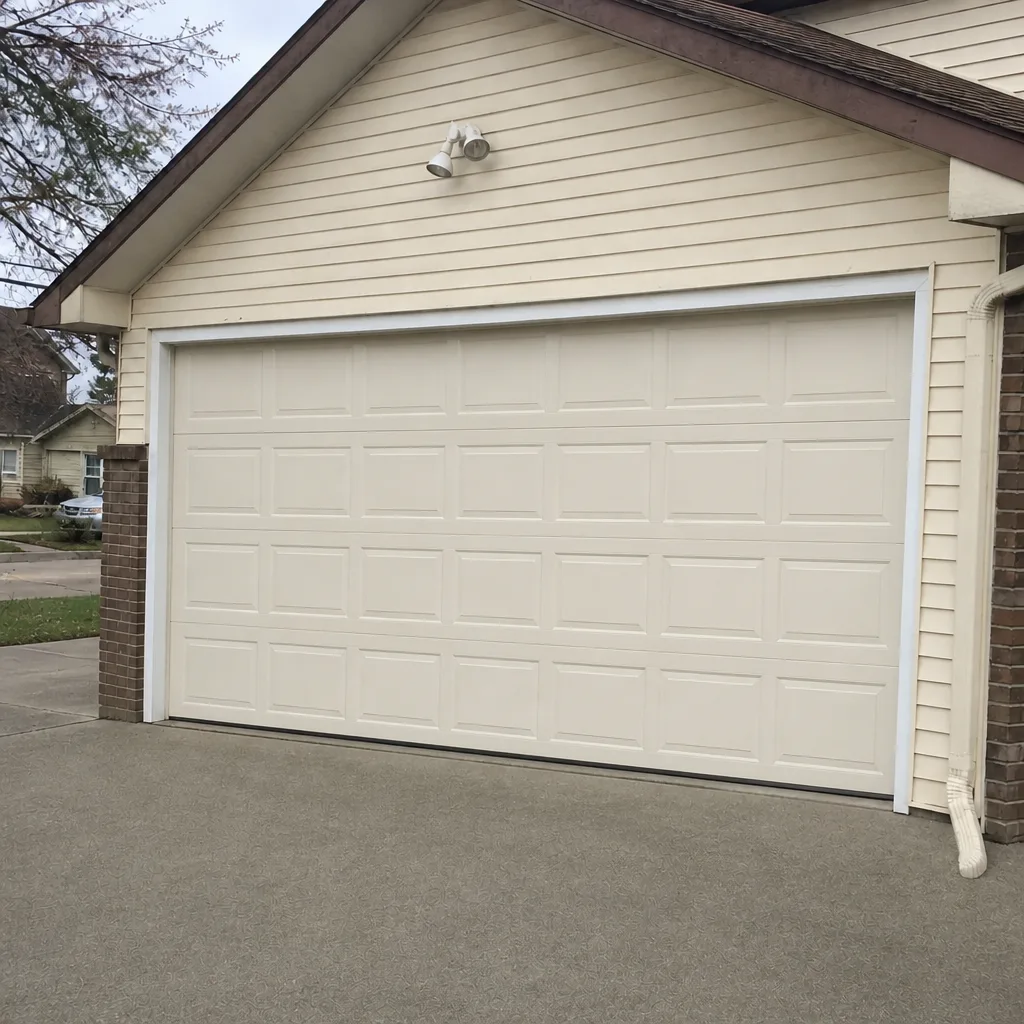 After
Common Mistakes to Avoid
These are the ones we see most often, and they’re worth knowing before the next storm.
- Never pull the release cord with the door more than about a foot open, or while the door is moving. The door drops hard and the trolley can slam, and you’re left with a bent arm, a jumped cable, or a door stuck partly down.
- Never force a door that won’t lift by hand. It usually means a spring has failed, and the spring is where the force lives. You can hurt yourself badly and the fix gets bigger. That’s a trained-professional job.
- Don’t test the opener on a door with a bent track or a visibly damaged panel. This is how a panel becomes a full collapse. Look before you press.
- Don’t assume a battery backup will last the whole outage. They run for a set number of cycles, not indefinitely. Know which opener you have and how it behaves.
- Don’t leave the door open during severe weather just because you’re staying home. An open door is a wind scoop, and the pressure can lift or buckle a lightweight door even when the wind isn’t at tornado strength.
- Don’t buy a replacement opener just because the wall button isn’t lighting up. A lot of units that look dead are repairable, and a repair is usually less than a new install. That’s our bias and it’s an honest one.
- Don’t skip the pre-winter test. Run the door once while the weather is mild so you know it works before an ice storm arrives. When the temperature drops and the door freezes to the floor, the test isn’t possible anymore.
When to Call a Professional
Some of what’s in this guide you can do yourself. Knowing where the release cord is, testing it, checking the tracks, and keeping the door closed during a storm are all homeowner-level. The line is springs, cables, damaged tracks, and openers that won’t respond after power returns. A torsion spring under tension, a frayed cable, a bent track, or a door that’s come off its rollers are all jobs for a trained technician. Those parts store enormous force, and the injury risk is real. We don’t give step-by-step instructions for that work here because we’d rather you call. Our technicians have up to 15 years of experience, we work on all eight of the major door and opener brands, and we’ll tell you plainly whether the door needs a repair or a replacement before anything starts. Starling Garage Door Repair offers free estimates in Nashville. Call (855) 916-8763 to get on the schedule. We answer 24/7. Fast dispatch from 7am to 7pm, Sunday through Friday.
Frequently Asked Questions
You pull the emergency release cord that hangs from the opener’s trolley, then lift the door by hand. The important part is to pull it straight down and slightly toward the door, with the door fully closed, then lift the bottom of the door and guide it up. Don’t pull it with the door moving or halfway open. If the door feels too heavy to lift, stop and call a technician; the springs may have failed.
Only if it has a battery backup. Backup-capable LiftMaster, Chamberlain, Genie, and some Craftsman models will run the door on a rechargeable battery for a set number of cycles after the grid goes down. Standard openers won’t respond at all until power returns. If you’re not sure what you have, check the manual or call us with the model number.
Close it and keep it closed, move the car out if you have time and it’s safe, and secure anything loose that could blow into it. An open or partly open door is a wind scoop, and even moderate wind can buckle a lightweight panel. If you’ve already lost the opener, disengage the door first and close it by hand.
Inspect the tracks, the panels, the springs, and the cables before you press the button. If the tracks are bent, a panel is bowed, a spring shows a gap in the coil, or a cable is loose or frayed, don’t operate the door. Those are signs of a compromised door, and running the opener can turn a dent into a collapse. Hail is uncommon in Nashville, so most post-storm damage is wind-driven and worth a careful look.
Yes, and you should. The release cord and handle are wear items, and a missing or frayed cord is a real safety gap. A technician can replace the release assembly, check that the trolley disengages cleanly, and test that the door re-engages properly. This is a quick fix and worth doing well before the next storm season.
Yes. We answer 24/7. Fast dispatch from 7am to 7pm, Sunday through Friday. If your call comes outside those hours, we’ll book you into the next opening. We handle repairs, opener service, and installations for the eight major brands, and the estimate is free and written before any work starts.
The Bottom Line
Garage door emergencies in Nashville come down to a handful of things you can control: know where the release cord is and test it, close the door before severe weather, check whether your opener has a battery backup, and inspect the door after a storm before you press the button. Those four habits cover most of what actually goes wrong. The rest is knowing when the door is beyond a homeowner’s reach, and that’s springs, cables, bent tracks, and openers that won’t respond. We work on doors and openers from every major brand, we repair before we recommend replacement, and we’ll give you a written price before anything starts. Call (855) 916-8763 for a free estimate. We answer 24/7. Fast dispatch from 7am to 7pm, Sunday through Friday.
Written by the team at Starling Garage Door Repair.