
Last updated November 16, 2026
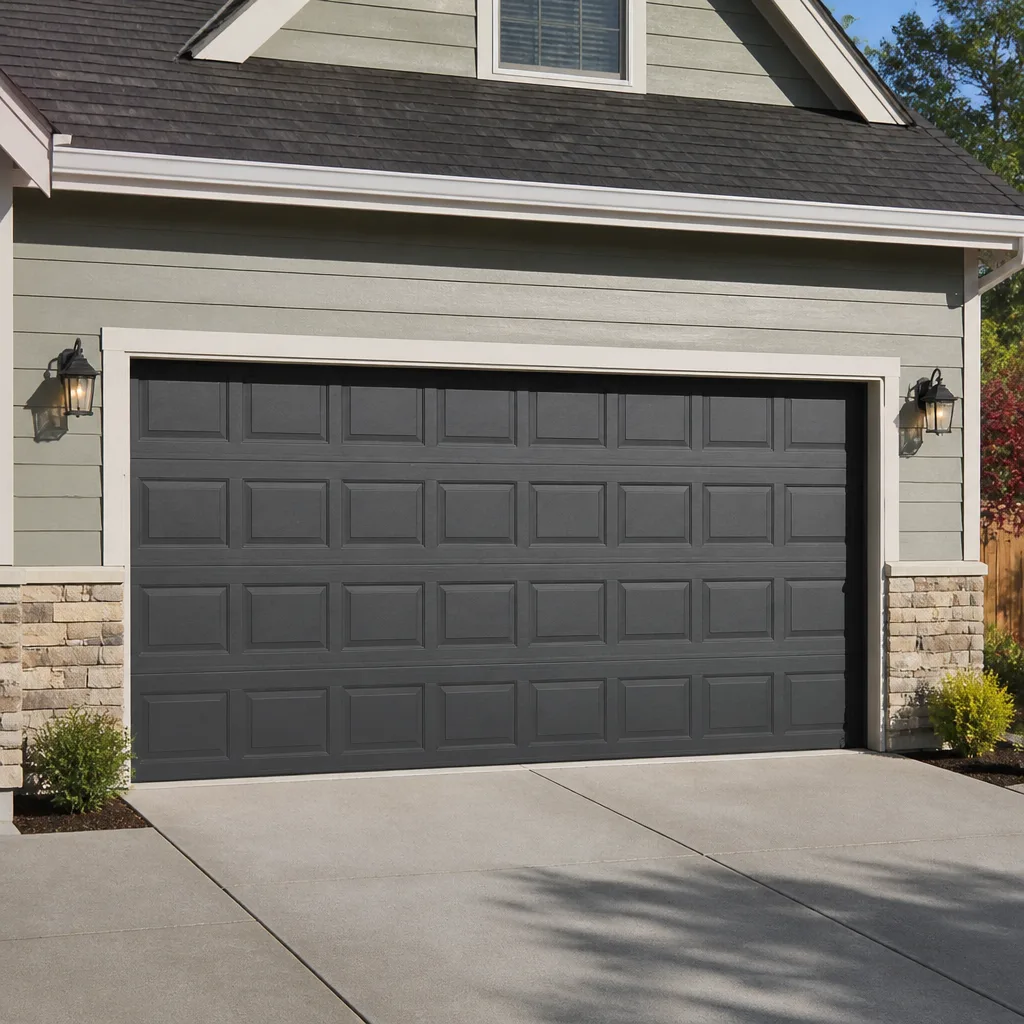 Raised-panel steel
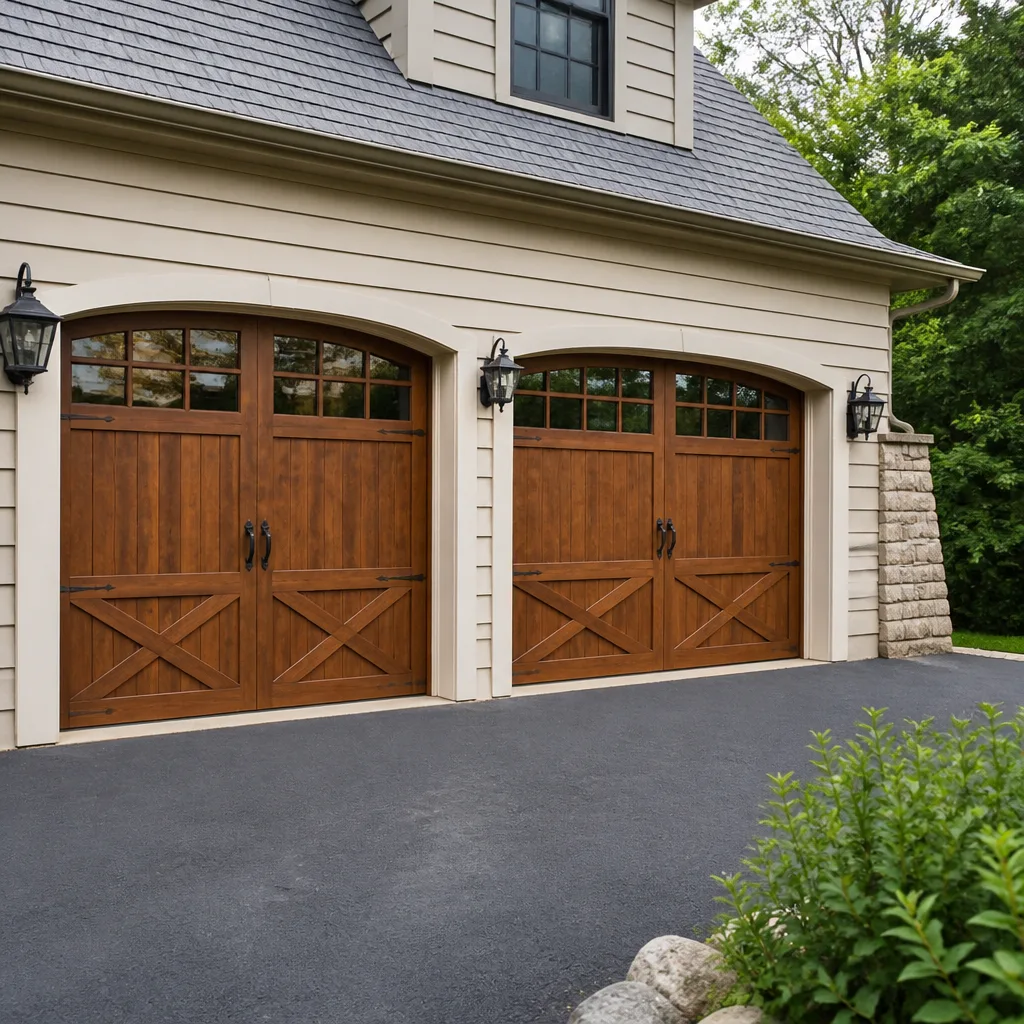 Carriage house
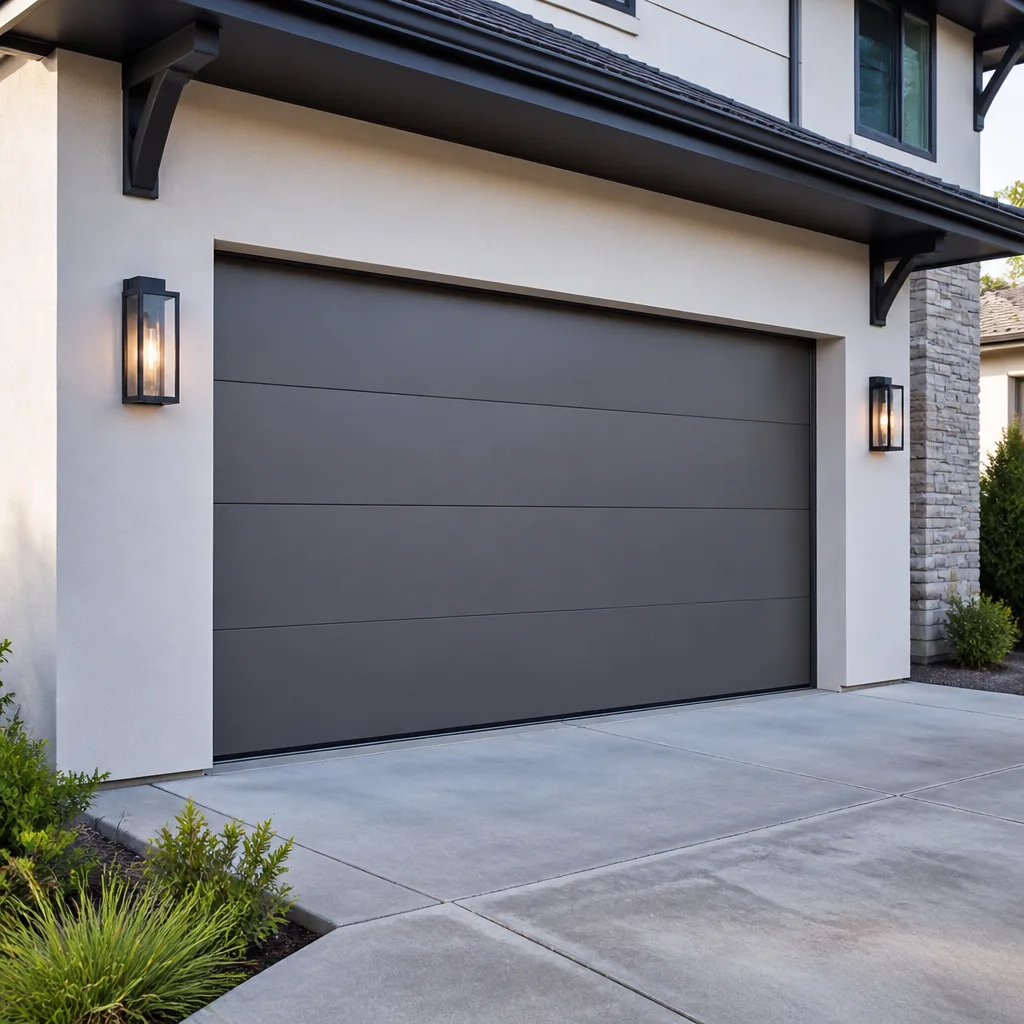 Modern flush
 Full-view glass
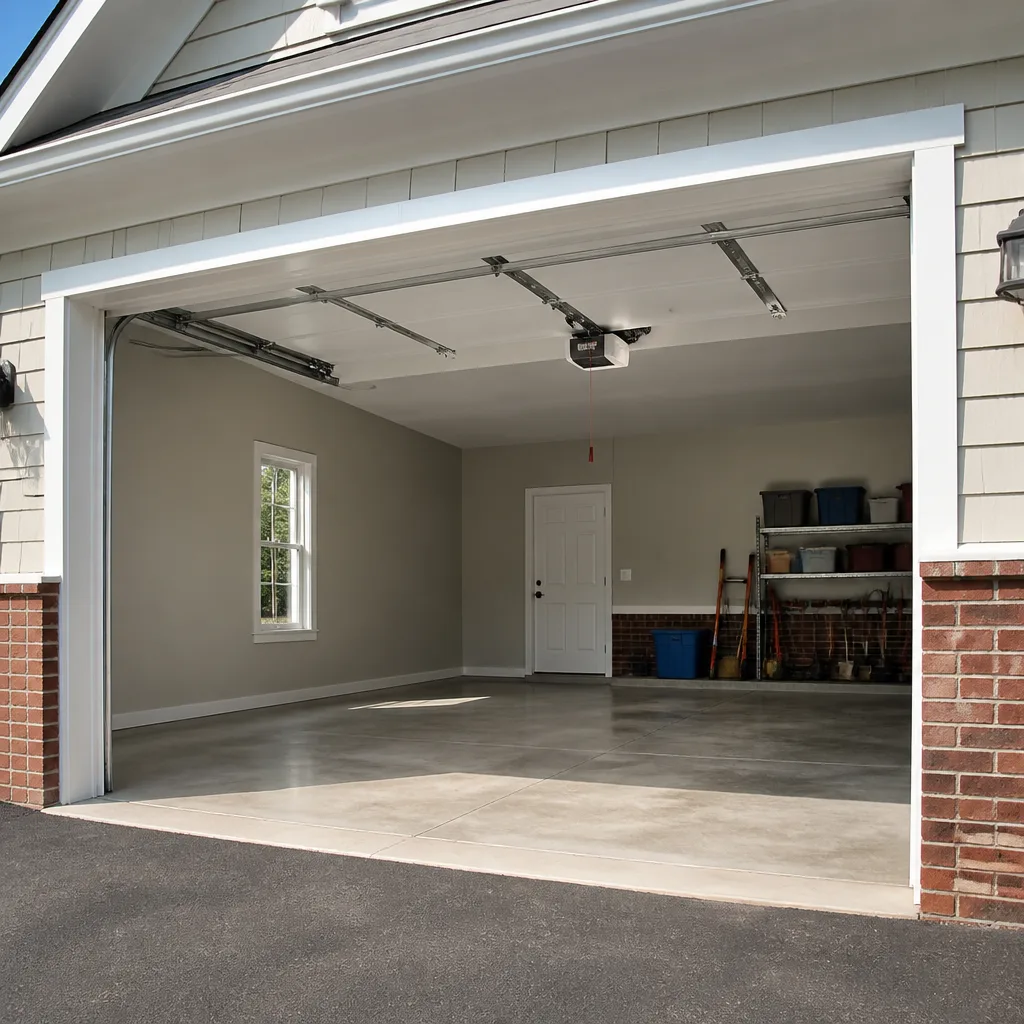 LiftMaster openers
 Chamberlain openers
Full 25-point door and opener safety check with every visit - springs, cables, rollers, tracks, and your LiftMaster or Chamberlain opener included
You get a price before we start. It does not change when the pro arrives.
Get your free estimateGarage Door Repair Maintenance Schedule: What to Do and When
The average two-car household runs their garage door about 1,500 cycles a year, which means a typical spring system is already halfway to failure by year three – but almost no one starts maintaining it until something breaks. A garage door has roughly 10,000 cycles of reliable life when it’s cared for properly. Skip the care and that number drops fast and unpredictably. This guide lays out a maintenance schedule built around Nashville’s actual seasonal calendar, not generic advice, so every task lands at the moment it matters most. You’ll learn the exact intervals, the right lubricants for each part, the one common product that damages components over time, and the ten-second test that tells you whether your springs are quietly giving up.
Quick Answer
A garage door should be lubricated every six months, balance-tested monthly, and inspected for worn rollers, frayed cables, and loose hardware once a year. In Nashville, the two lube jobs that matter most fall in October (before temperatures drop) and in late spring (before summer humidity swells wood doors and stresses seals). Busy households running more than 1,500 cycles a year should shorten those intervals to every four months.
Styles & brands we work with
- Raised-panel steel
- Carriage house
- Modern flush
- Full-view glass
- LiftMaster openers
- Chamberlain openers
Table of Contents
- Why Cycles Matter More Than Months
- The 10-Second Monthly Balance Test
- The October Lubrication Job
- Spring Check: The Nashville Pre-Summer Tune-Up
- Which Lubricant Goes Where (and What Never to Use)
- The Annual Deep Inspection
- Maintenance Tasks That Protect Your Warranty
- The Full Nashville Seasonal Calendar
Why Cycles Matter More Than Months
A “cycle” is one full open-and-close. Every spring, hinge, roller, and opener gear in your system has a finite number of them, and that number is what actually governs when parts wear out. A household that leaves for work and school each morning and comes home in the evening logs two to four cycles a day. That’s roughly 1,000 to 1,500 cycles a year. A retired couple who mostly use the front door might run 300. Same door, same springs, wildly different service life.
This is why a calendar-only schedule falls short. If you’re a busy family in a Nashville neighborhood like Green Hills or Donelson, your door sees the wear of a retiree’s door in four years by the time one year has passed. The maintenance schedule below uses both frames: calendar months for the easy checks, cycle counts for the wear decisions.
Here’s how to estimate your own usage:
- 1,500+ cycles/year: Multiple drivers, daily commutes, kids’ activities. Lubricate every four months and inspect springs twice a year.
- 800-1,500 cycles/year: One or two drivers, regular use. Standard six-month lubrication, annual inspection.
- Under 800 cycles/year: Light use, long absences. Six-month lubrication is still wise because idle time dries out lubricant and stiffens hinges.
When you call for garage door repair, tell the technician roughly how often the door runs. It changes the diagnosis. A spring that failed at year four on a high-cycle door is normal wear; the same failure on a light-use door points to something else worth checking.
The 10-Second Monthly Balance Test
This is the single most useful thing a homeowner can do, and it takes ten seconds. Disconnect the opener (most have a red release cord), lift the door by hand to about halfway, and let go. A properly balanced door stays put, hovering where you left it. A door with weakening springs will drop, sometimes fast.
Why the difference matters: springs carry the door’s weight. When they lose tension, the opener has to haul a door it was never sized to lift. That extra strain shows up first as a groaning opener motor, then as stripped gears or a burned-out unit. Catching a sagging door early in Nashville means you replace one spring pair instead of an opener motor and a spring pair. It also keeps the door from slamming down on a car, a pet, or a person standing underneath.
What the test tells you:
- Door holds its position: Springs are balanced. Move on.
- Door drifts down slowly: Springs are losing tension. Schedule a professional check soon.
- Door drops fast or feels very heavy: Springs are compromised. Stop using the door and get it looked at. Don’t try to adjust or replace torsion springs yourself – they’re under extreme tension and can cause serious injury. That’s a job for a trained technician.
Do this test on the first of every month. Put a reminder on your phone. It’s the cheapest diagnostic in your home and it consistently catches problems before they become emergency calls.
The October Lubrication Job
Nashville’s fall is mild, which is exactly why October is the right window. You want a fresh coat of lubricant on hinges, rollers, and springs before the first cold snap stiffens metal and thickens grease that’s been sitting through a hot summer. Cold mornings are when stiff, under-lubricated doors groan loudest and when opener motors work hardest.
Here’s the October routine, in order:
- Wipe down the tracks with a dry cloth to remove grit and dust. Never lubricate the tracks themselves on a standard sectional door – rollers need to roll, and grease in the track makes them slide and bind.
- Lubricate the hinges at each pivot point with a white lithium grease or a silicone spray. One quick shot per hinge.
- Lubricate the rollers’ bearings (not the roller wheels) with the same product. Steel rollers have sealed bearings that benefit from a light spray; nylon rollers need less.
- Spray the torsion springs with a light coat of silicone spray to reduce friction between coils. Do this from a distance with the door closed and the springs at rest. Never reach into a spring assembly.
- Wipe the weatherstrip along the bottom and sides with a silicone-treated cloth to keep it pliable through the cooler months.
Ten minutes, twice a year, does more for a door’s lifespan than anything else on this list. If your door is a Clopay or Wayne Dalton wood-composite model, add a visual check of the paint and sealant at the same time – small gaps let moisture in during winter rains and can lead to swelling by spring.
Spring Check: The Nashville Pre-Summer Tune-Up
Spring is the worst possible time to discover your torsion spring didn’t survive winter. Cold snaps stress metal, and a spring that’s been slowly losing tension all season can snap on the first warm morning of March or April. The result is a door that won’t lift, a car trapped inside, and a same-day repair call you didn’t plan for. That’s why we advise checking springs in late February or early March, before the busy season hits.
What to look for (visual only, no touching):
- Gaps in the coil: A healthy torsion spring’s coils sit close together. A visible gap means the spring has lost tension or is broken.
- Rust streaks: Nashville’s humid summers accelerate corrosion on steel springs. Rust-colored streaks along the coil signal metal fatigue.
- Doors that feel heavier than last year: If you can lift the door by hand and it feels noticeably heavier than it used to, springs are weakening.
- A bang you heard from the garage: A broken torsion spring sounds like a gunshot. If you heard one and the door won’t lift, the spring is likely broken. Don’t force the opener – you’ll strip its gears too.
Spring replacement is a professional job, full stop. Torsion springs are under hundreds of pounds of tension and the wrong tool or a slip can cause severe injury. When your door needs spring work, we’ll give you a written estimate before anything starts. For a full picture of what that visit covers, see our page on Starling Garage Door Repair.
Which Lubricant Goes Where (and What Never to Use)
This is where most homeowner maintenance goes wrong, and one product does the most damage. Standard WD-40 (the original blue-and-yellow can) is a solvent, not a lubricant. It cuts through grease and grime, which feels helpful, but it also strips the factory lubricant out of hinges and roller bearings. Over months, that leaves the metal dry and accelerates wear. It can also attract dust on visible surfaces, which turns into grinding paste inside the moving parts.
Here’s what actually goes where:
- Hinges: White lithium grease (in a tube or spray) or silicone spray. Lithium grease hangs on longer in cold weather.
- Roller bearings: Silicone spray or a light machine oil. A quick shot per bearing, not a drenching.
- Torsion springs: Silicone spray only. A light coat to reduce metal-to-metal friction between coils. Never grease – grease traps grit.
- Extension springs (on older doors): A light coat of silicone or white lithium spray along the spring length.
- Track surfaces: Nothing. Wipe dry. If your rollers are nylon, some manufacturers specify no lubrication on the track at all.
- Weatherstrip: A silicone-treated cloth. Not petroleum-based products, which break down rubber.
If you’re not sure which of these your door needs, or your door is an Amarr or Genie-branded system with specific manufacturer guidance, check the owner’s manual or ask a technician during your next service. Using the right product matters less than using the right product consistently – twice a year, on the same schedule.
The Annual Deep Inspection
Once a year, usually in early fall, do a full visual inspection of the whole system. This isn’t a lubrication job – it’s a “look with fresh eyes” pass. Most failures give warning signs weeks before they leave you stranded, and the annual inspection is where you catch them.
The annual checklist:
- Cables: Look for fraying, rust, or broken strands near the drums at the top corners. Cables are under high tension and a frayed one can snap. Don’t touch – note it and call.
- Rollers: Check each roller for chips, flat spots, or wobble. Worn nylon rollers wear faster and make the door noisy.
- Hinges: Look for bent or loose hinges and any screws backing out of the door panels.
- Panels: Check for dents, rust spots, and loose fasteners. Wood or composite doors should be checked for paint failure at the bottom edge.
- Weatherstrip and bottom seal: Look for cracks, tears, or a seal that’s no longer touching the floor. A bad seal lets water in during Nashville’s summer storms.
- Opener rail and mounts: Look for loose bolts where the rail attaches to the door header and the ceiling. A loose rail makes the whole system rattle.
- Photo eye alignment: Wave a hand in front of the eyes to confirm the door reverses. If it doesn’t, the safety system has a problem worth an immediate call.
- Manual release: Test the release cord with the door down, then reconnect. If it’s seized or hard to pull, the opener may need service.
If anything on this list looks off, that’s when we come out. Our technicians have up to 15 years of experience, and we work on every major brand, so you won’t hear “we don’t service that one.” We’d rather diagnose a worn roller than sell you a new door.
Maintenance Tasks That Protect Your Warranty
Most homeowners don’t know this clause exists: new garage doors and openers come with a manufacturer warranty, and those warranties typically require periodic maintenance to stay valid. Skip the lubrication, let the door bind, and when the opener burns out, you may find the warranty doesn’t cover it because the door was out of adjustment.
What the fine print usually asks for:
- Regular lubrication of hinges, rollers, and springs – the manufacturer can’t verify it if there’s no evidence, so keep the owner’s manual and note the dates you did it.
- Balance and adjustment maintained – a door that’s been binding or sagging for a year isn’t a warranty case, it’s a wear case.
- Professional service for safety components – springs and cables are almost always excluded from DIY warranty coverage if a failure results from homeowner adjustment.
- Prompt repair of worn parts – replacing a worn roller before it damages the track is a warranty-preserving move; waiting until the track is gouged is not.
If your door is under five years old and still covered, this clause matters. If it’s a LiftMaster, Chamberlain, or Craftsman opener with an active motor warranty, the lubrication and adjustment records are the first thing a warranty claim will look at. For typical costs on the repair side, our garage door opener repair page covers the pricing picture.
The Full Nashville Seasonal Calendar
Nashville’s seasonal swing is wider than a lot of people assume. Summers are hot and humid, winters bring occasional hard freezes, and the shoulder seasons are where doors get stressed. Here’s how the maintenance calendar maps to our actual weather.
January – February: Cold mornings. Test the balance. Check that the door isn’t sluggish. Avoid greasing – cold-thickened lubricant can bind. If the door is stiff, use silicone spray, not grease.
March – April: Pre-summer spring check. This is the window before the busy season and the worst time to find a broken spring. Inspect for rust streaks on the coil.
May – June: Pre-summer humidity window. Check wood door edges and bottom seals for gaps that let moisture in. Lubricate hinges and roller bearings if it’s been more than four months.
July – August: The hottest stretch. Watch for opener strain on a heavy door. Test the safety reverse monthly. Confirm the door isn’t binding in the track as metal expands.
September – October: The October lubrication job. Fresh grease before cold weather. Check weatherstrip pliability. Wipe door edges and refinish any peeling paint or sealant.
November – December: Annual deep inspection. Cables, rollers, panels, and mounts. Test the manual release so you know it works before you need it.
If you’re in a newer-development area around Nashville where doors are often Clopay or Wayne Dalton models, the summer humidity check on wood-composite panels is worth extra attention. Once you’ve run this calendar for a year, it becomes second nature. For a broader look at service area coverage, see our Nashville page.
Common Mistakes to Avoid
- Lubricating the tracks: It seems logical – moving parts, right? – but greasing the tracks makes rollers slide and skid instead of roll. Wipe them dry instead. Especially tempting in Nashville’s humid summers when everything feels a little rough.
- Spraying everything with WD-40: The blue-and-yellow can is a solvent, not a lubricant. Used monthly on hinges and bearings, it strips out the factory lubricant and accelerates wear. Use white lithium or silicone spray instead.
- Adjusting or replacing torsion springs yourself: This is the most dangerous homeowner repair in the garage door system, and Nashville emergency rooms see the consequences every year. Springs store enormous energy and can release it without warning. Call a technician.
- Skipping the monthly balance test: It takes ten seconds and it’s the single best early-warning tool you have. Skipping it means the first sign of a failing spring is often a broken one.
- Replacing the opener when it just needs service: A groaning or reversing opener is often a symptom of a binding door or worn springs, not a dead motor. Diagnose the door first. We repair openers on LiftMaster, Chamberlain, Genie, and Craftsman systems rather than defaulting to replacement.
- Ignoring weatherstrip damage: A torn bottom seal lets water in during Nashville’s summer storms and lets cold air in during winter. It’s one of the cheapest fixes on the whole door and one of the most skipped.
- Letting warranty maintenance slide: If your door is still under a manufacturer warranty, skipped lubrication and adjustment can void coverage on the parts that fail. Keep records of every service visit.
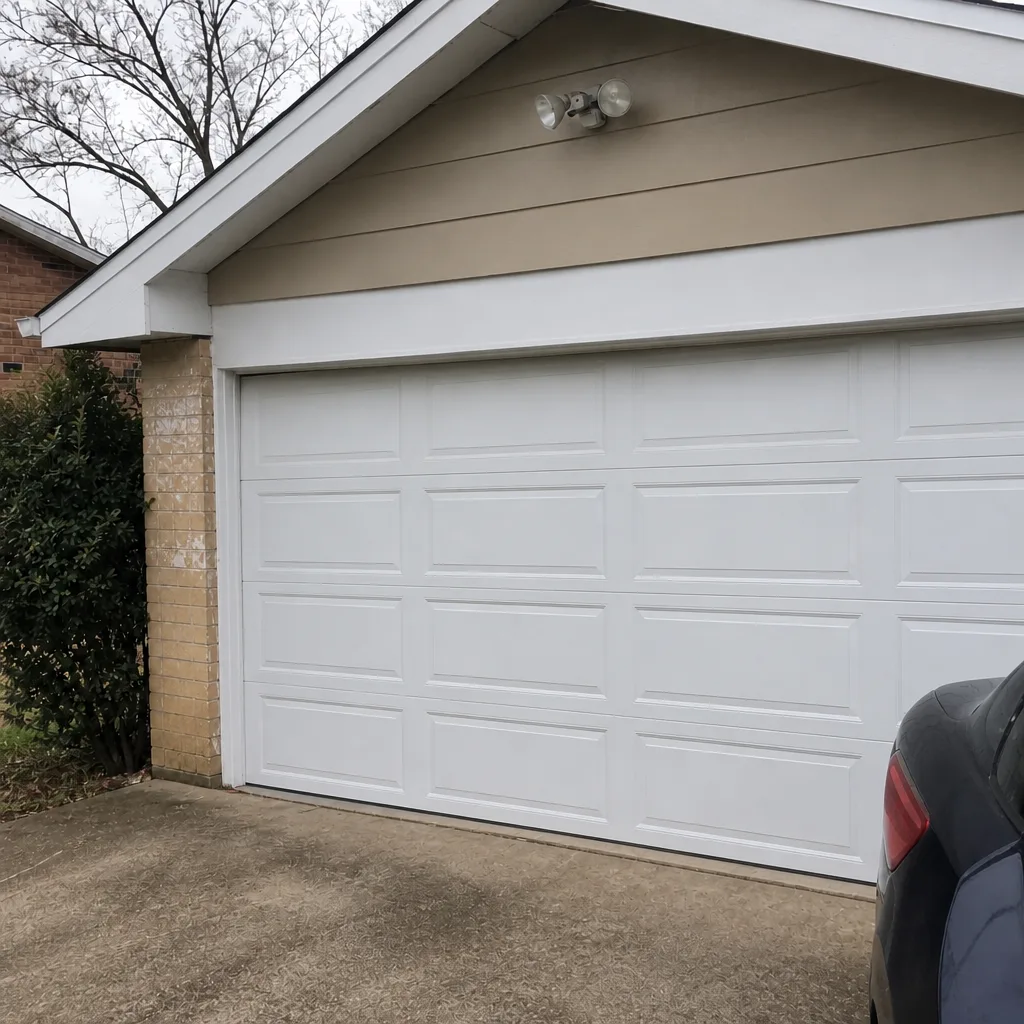
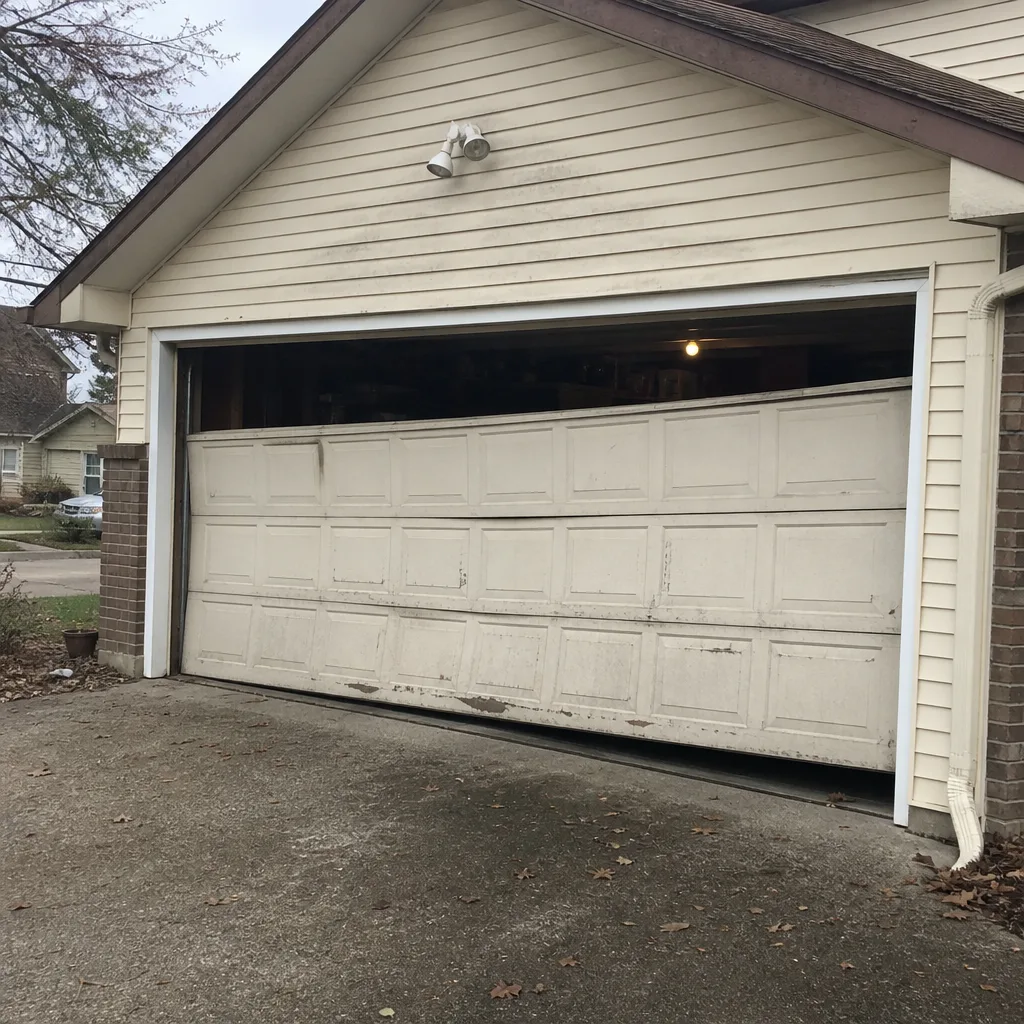
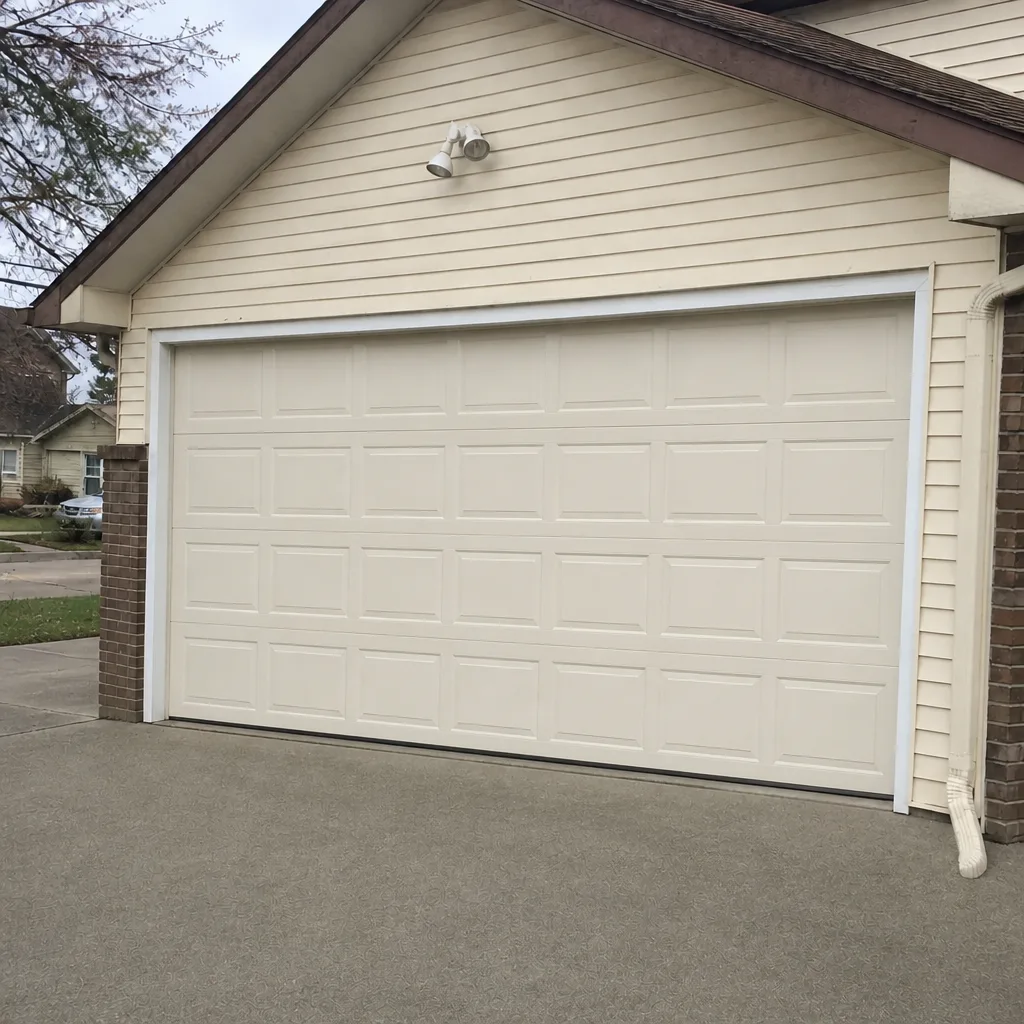
See the difference
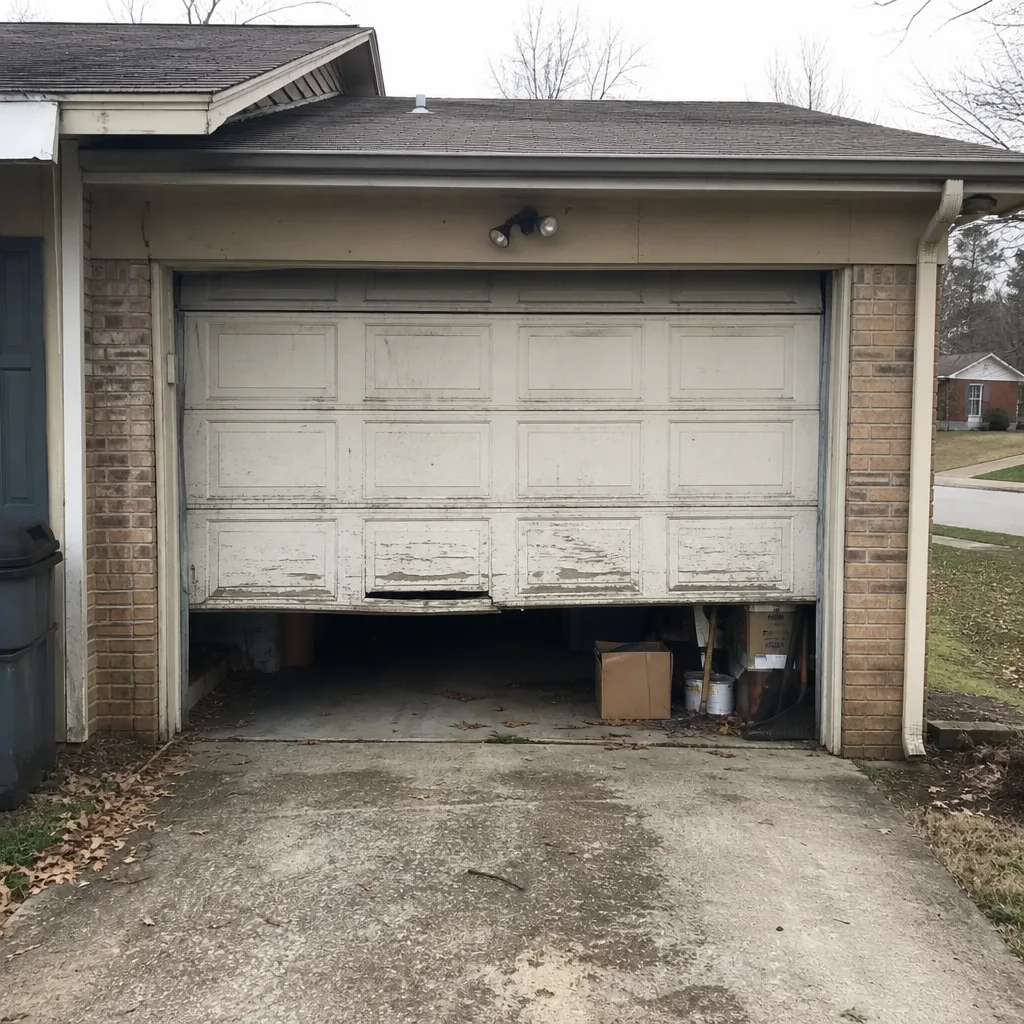 Before
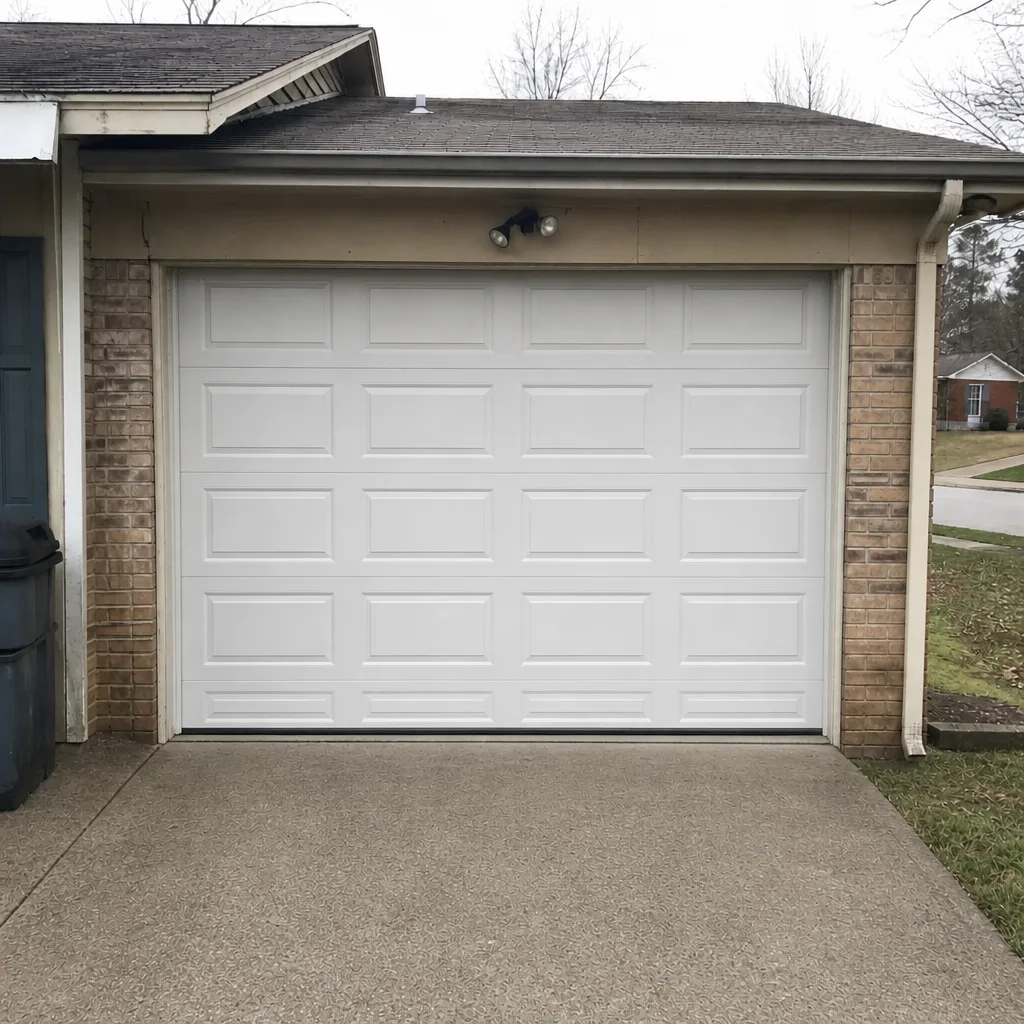 After
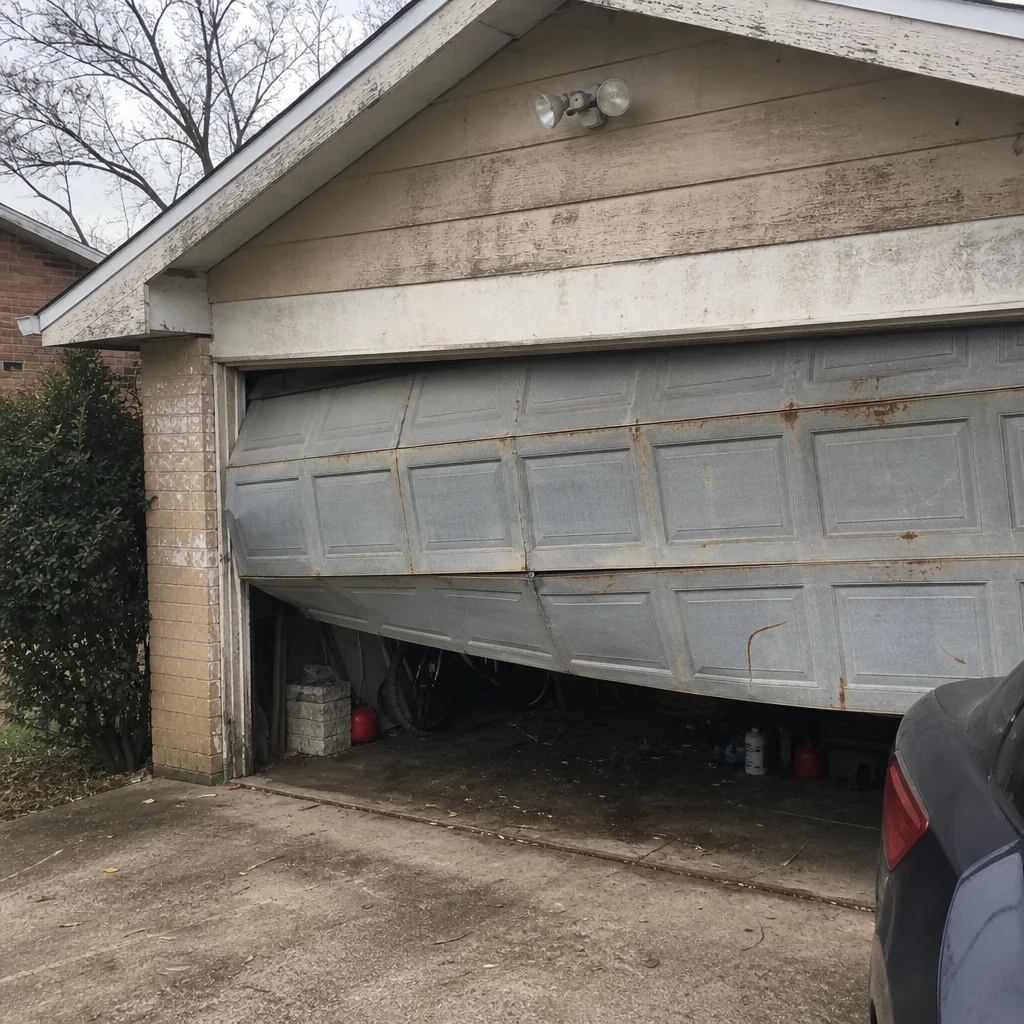 Before
 After
 Before
 After
When to Call a Professional
Some jobs are reasonable for a careful homeowner: wiping tracks, spraying hinges, testing the balance, checking the weatherstrip. Others are not, and it’s worth being honest about which is which. Call a professional if the door won’t stay up on the balance test, if you see a gap in the spring coil or hear a loud bang, if the opener strains, reverses, or the safety eyes won’t align, if a cable looks frayed or broken, or if a panel is bent or the door is binding in the track. Any one of those is a sign to stop using the door and get eyes on it. Starling Garage Door Repair offers free estimates in Nashville – call (855) 916-8763. We answer 24/7. Fast dispatch from 7am to 7pm, Sunday through Friday. The price is quoted and agreed before any work starts, so there’s no surprise on the invoice.
Frequently Asked Questions
Every six months is the standard interval, but high-use households should lubricate every four months. Nashville’s humid summers and cold winters are both hard on metal, so the October lubrication (before temps drop) and a May or June lubrication (before peak humidity) cover the year well. If you’re not sure of your cycle count, tell the technician roughly how often the door runs and ask what interval fits.
It tells you whether your springs are still carrying the door’s weight. Disconnect the opener, lift the door to halfway, and let go. If it stays put, the springs are balanced. If it drops, the springs are weakening and the opener is working harder than it should. Catching it at the drift stage usually means one spring replacement instead of an opener repair too. If it drops fast, stop using the door and call us for a same-day check.
Not the standard WD-40, no. It’s a solvent, and repeated use strips the factory lubricant out of hinges and roller bearings, which accelerates wear. Use white lithium grease on hinges and silicone spray on roller bearings and springs. If you’ve already been using WD-40 for a while, a proper lubrication job in the fall will reset the system.
Because winter is when the metal has been stressed the longest without relief. Cold mornings stiffen the spring, and hundreds of cycles through a cold season fatigue the metal until it snaps on a warm morning. That’s why we recommend checking springs in late February or early March, before the busy repair season. A visual inspection and a balance test tell you in minutes whether the spring will make it to summer.
It can. Most manufacturer warranties, including those on doors from Clopay, Amarr, and Wayne Dalton and openers from LiftMaster and Chamberlain, require periodic lubrication and adjustment to stay valid. A warranty claim on a failed opener can be denied if the door was binding and out of adjustment. Keep the owner’s manual and note the dates you lubricated – it’s three minutes of record-keeping that can save you a claim.
For a door under five years old, lubrication and the monthly balance test cover most of it, but an annual inspection is still worth it. Cables, rollers, hinges, and weatherstrip wear in ways that aren’t obvious from the driver’s seat. A trained eye catches a frayed cable or a worn roller before it leaves you with a door that won’t open. Call (855) 916-8763 for a free estimate. We answer 24/7, with fast dispatch from 7am to 7pm, Sunday through Friday.
The Bottom Line
A garage door’s 10,000-cycle life is not a guarantee – it’s a ceiling you reach by maintaining the system. The schedule that keeps you under it: balance-test monthly, lubricate every four to six months with the right products on the right parts, run a full inspection every fall, and check springs each March before Nashville’s busy season. Skip the WD-40 on hinges. Wipe the tracks dry. Keep records if your door is still under warranty. And when the door won’t balance, the spring shows a gap, or the opener is straining, stop and call a specialist. That’s the difference between a door that lasts a decade and one that surprises you on a Monday morning.
Ready to get your door on a schedule that fits your Nashville home? Call Starling Garage Door Repair at (855) 916-8763 for a free estimate. We answer 24/7. Fast dispatch from 7am to 7pm, Sunday through Friday.
Written by the team at Starling Garage Door Repair.