
Last updated November 16, 2026
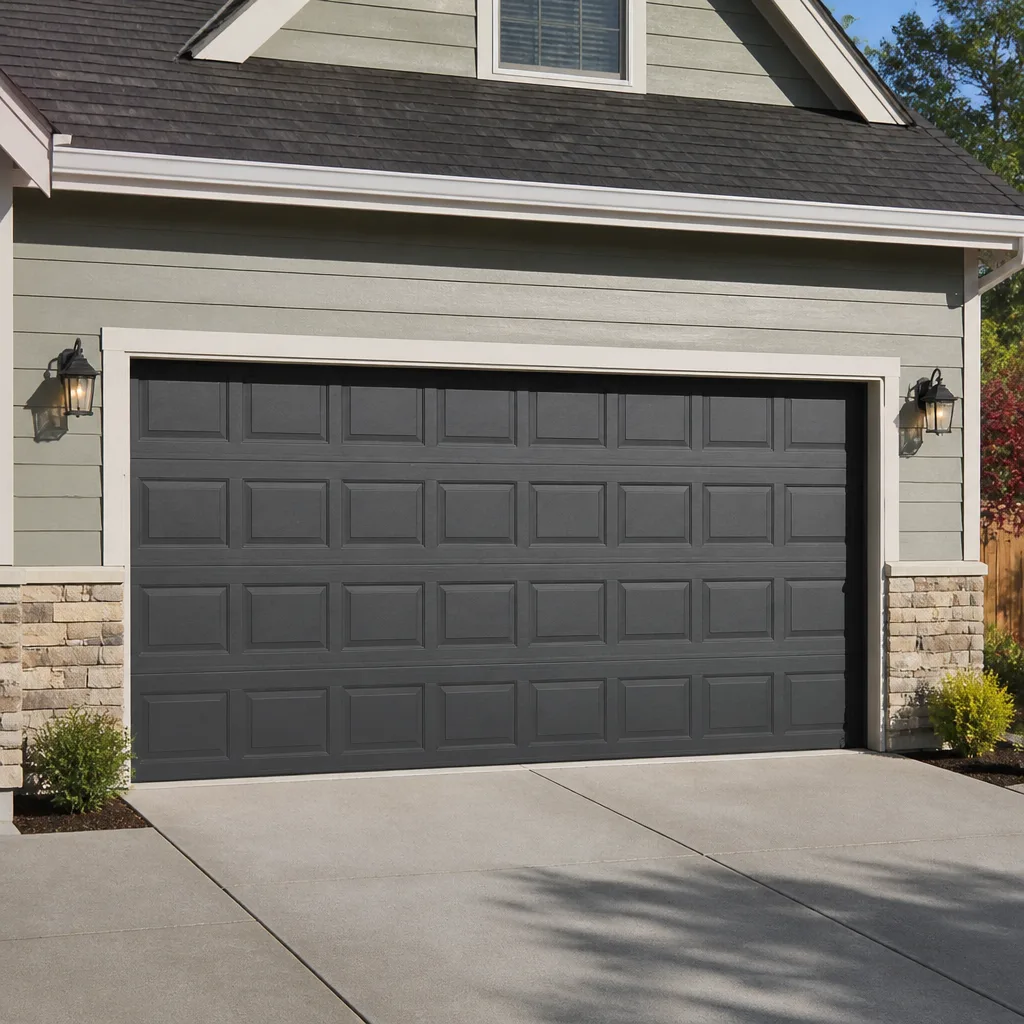 Raised-panel steel
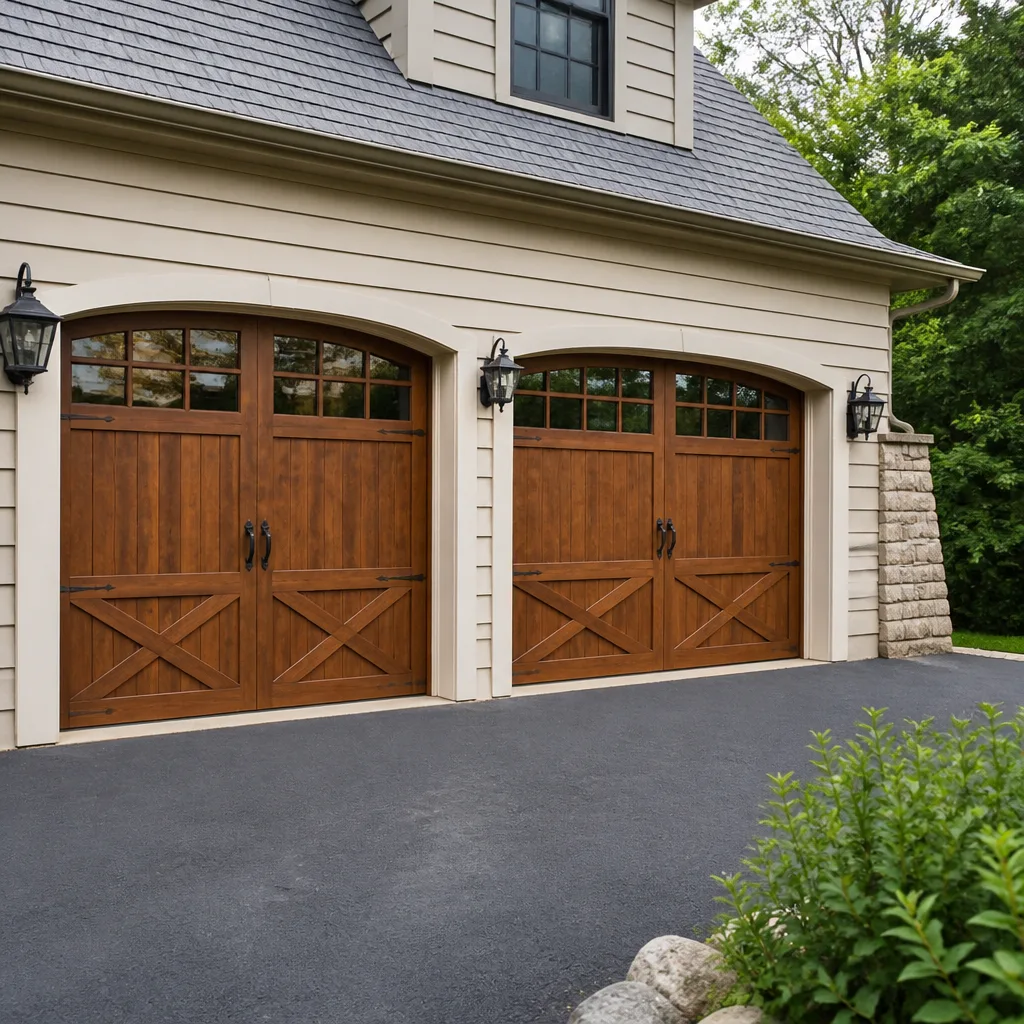 Carriage house
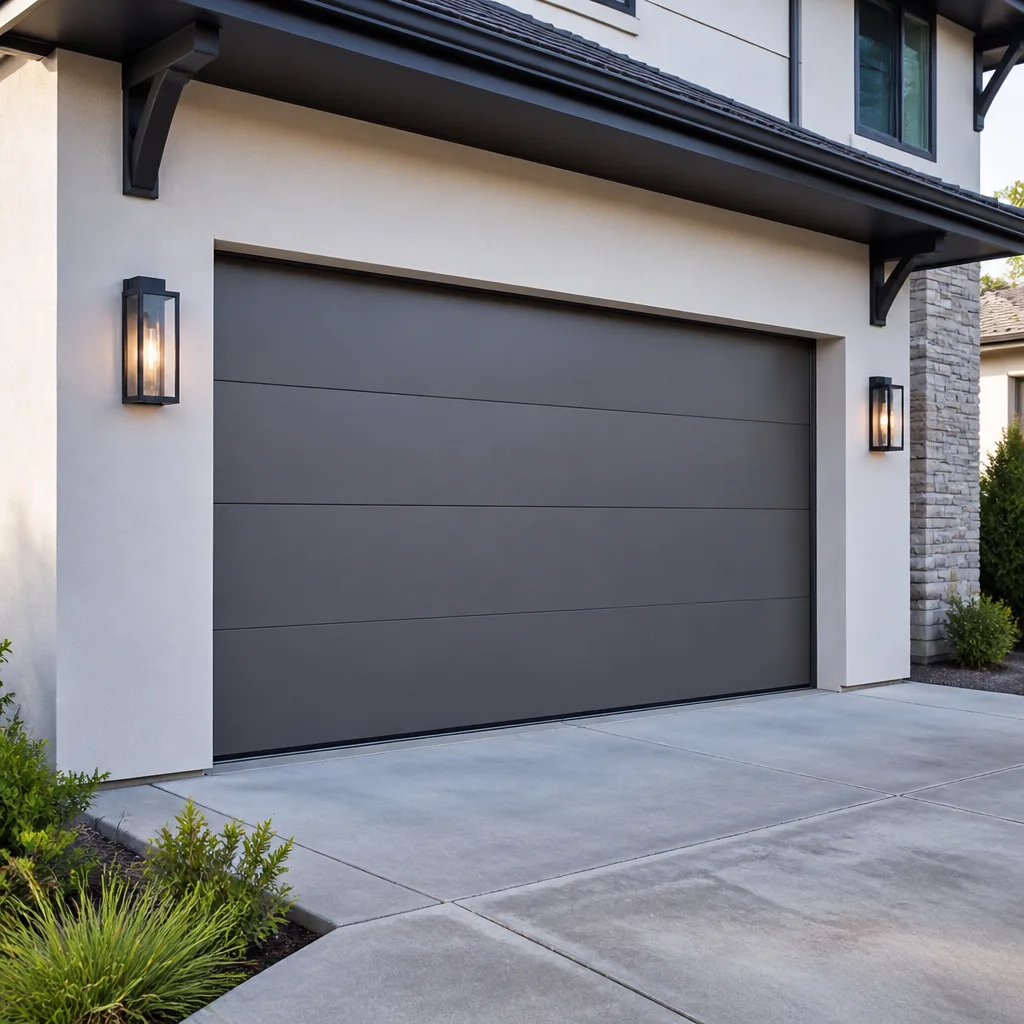 Modern flush
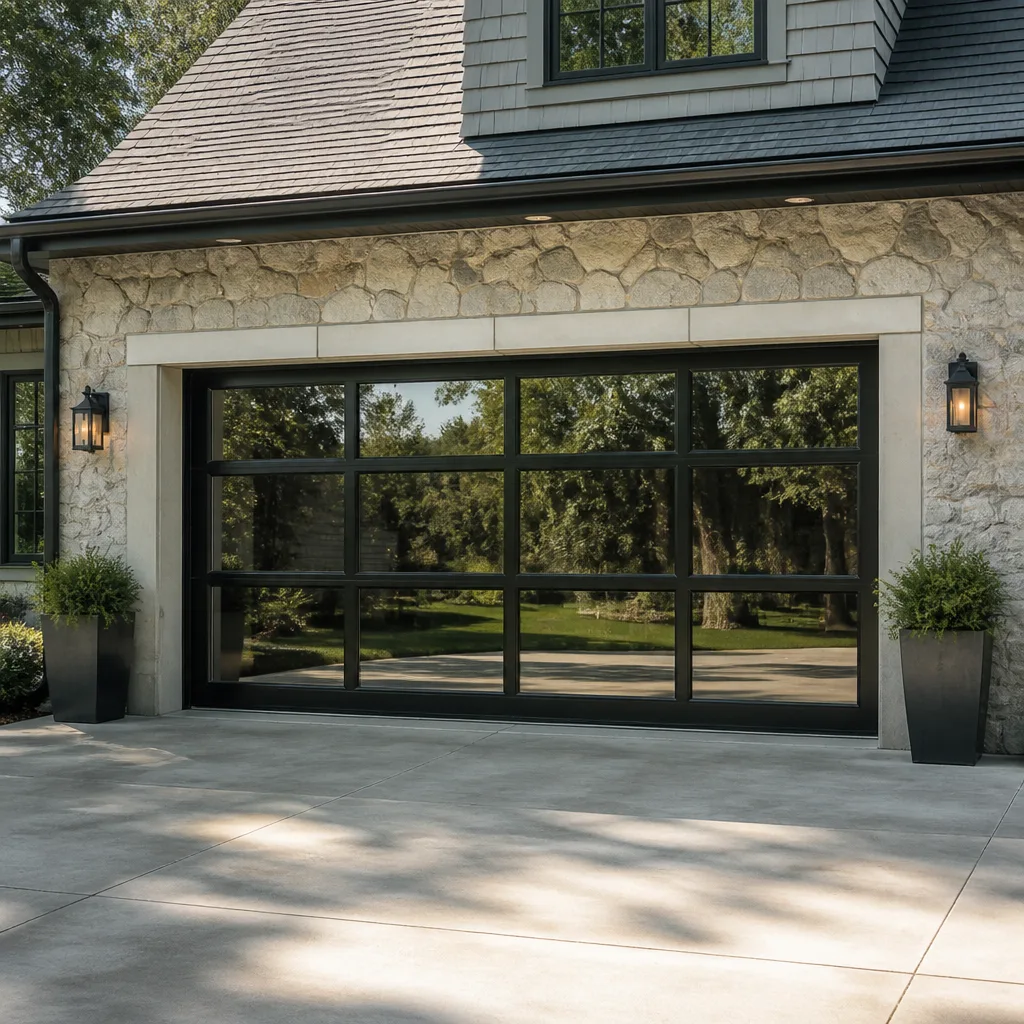 Full-view glass
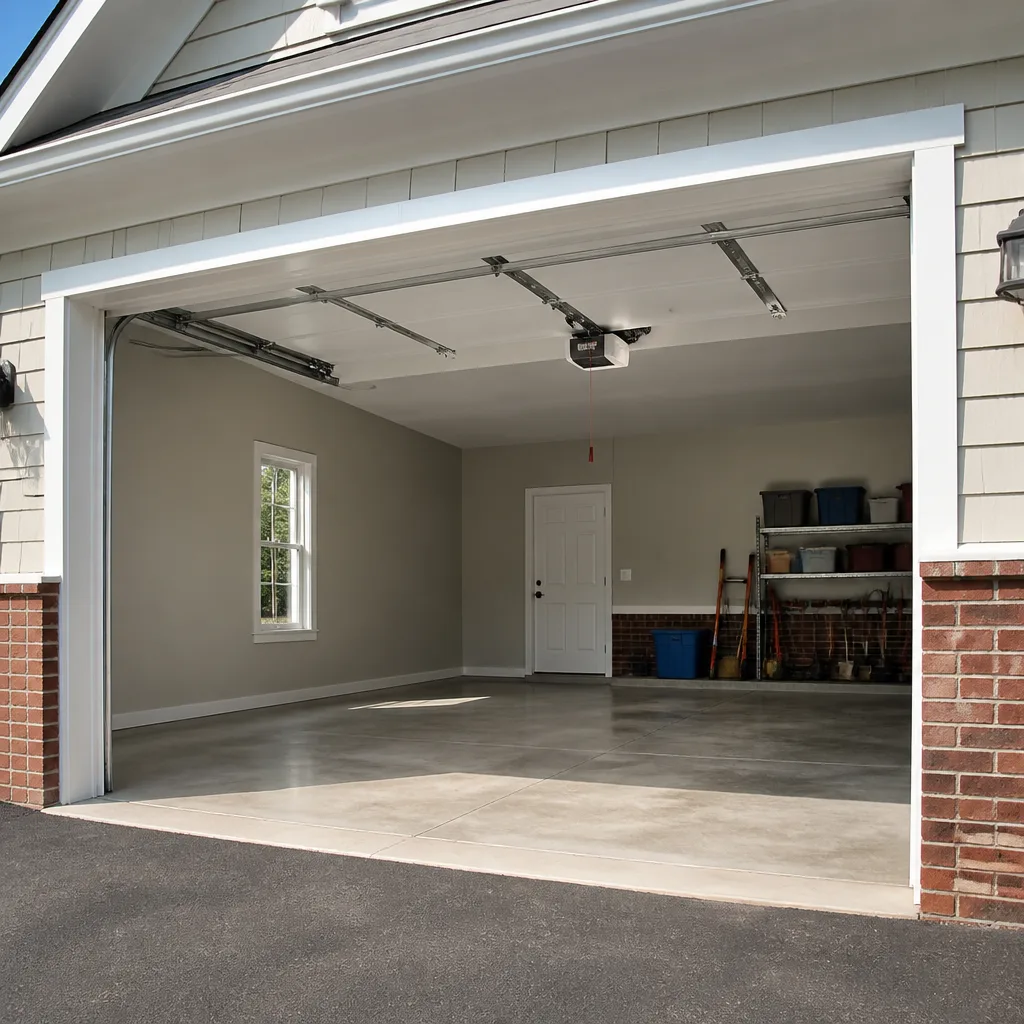 LiftMaster openers
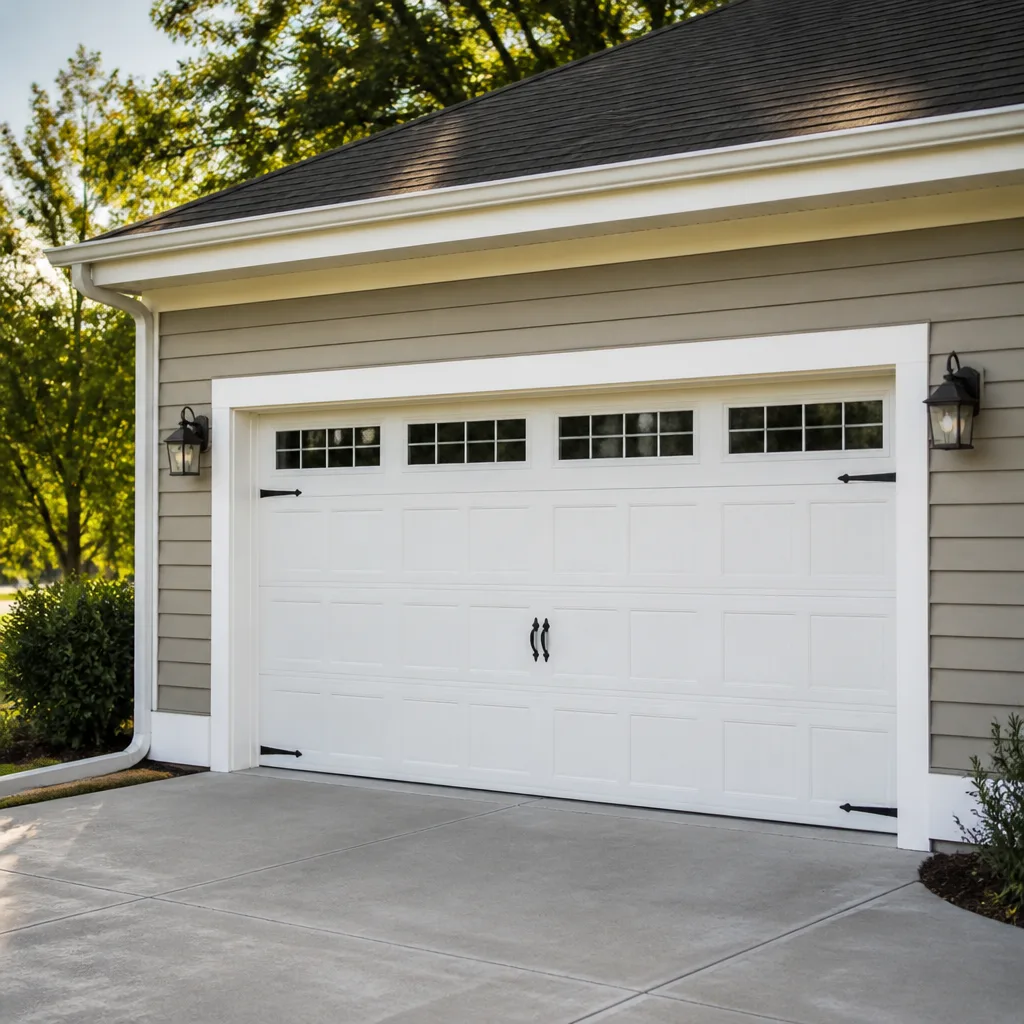 Chamberlain openers
Full 25-point door and opener safety check with every visit - springs, cables, rollers, tracks, and your LiftMaster or Chamberlain opener included
You get a price before we start. It does not change when the pro arrives.
Get your free estimateGarage Door Permits, Codes & Inspections in Nashville, TN: What You Need to Know
Most homeowners assume a garage door replacement never needs a permit, and in many cases they’re right. Here’s the twist: the line between a permit-free replacement and a permitted alteration is narrower than it looks, and a surprising number of Nashville resale problems trace back to a garage door project where the door itself was fine but the opener circuit was modified without approval. That detail is easy to miss because pulling a permit adds time, so it tends to get skipped. This guide explains where Metro Nashville actually draws the line, when a header change pulls in an engineer, how wind-load ratings apply here in Middle Tennessee, what the inspection timeline looks like, and how unpermitted work surfaces at closing. You’ll finish knowing exactly which questions to ask before anyone touches your door.
Quick Answer
A like-for-like garage door replacement in Nashville usually does not require a building permit, but changing the size of the opening, modifying the structural header, or adding or rewiring an opener circuit generally does. Wind-load rated doors are the norm for new construction in this region, and any permitted work needs an inspection before it’s signed off. The single most reliable move is to call Metro Nashville’s building department and describe your exact project before you schedule it.
Styles & brands we work with
- Raised-panel steel
- Carriage house
- Modern flush
- Full-view glass
- LiftMaster openers
- Chamberlain openers
Table of Contents
- Where Metro Nashville Draws the Permit Line
- When a Structural Header Change Triggers a Permit and an Engineer
- Wind-Load Requirements and Why They Apply Here
- The Inspection Process, Start to Finish
- Opener Circuits, Electrical Permits, and the Resale Surprise
- How Unpermitted Work Shows Up on a Title Search
- How to Choose a Contractor for Permitted Work
Where Metro Nashville Draws the Permit Line
The dividing line is simpler than the code language makes it sound. If you’re putting back a door of the same size in the same opening, replacing hardware, or swapping a worn door for a new one with the same rough opening dimensions, that’s maintenance and repairs, and Metro Nashville typically treats it as no-permit work. Once you change the shape or size of the opening, alter the framing that carries the load above it, or touch the electrical circuit feeding the opener, you’ve moved into work that needs a permit.
Think of it as three separate decisions:
- Same size, same opening: replacement, no permit in the ordinary case.
- Different size or configuration: alteration, permit required.
- New or rewired opener circuit: electrical permit, separate from the door itself.
The complication is that these three get bundled on a lot of jobs. A homeowner decides to go from a single door to a double, which means a new header, which means structural work, and the contractor also runs a fresh circuit for a new opener. Each piece has its own permit path, and if the paperwork only covers the door, the electrical alteration is what gets flagged later. Empty door brackets and bare openings don’t tell the story; the permit record does.
The phrase “the city’s online guidance suggests” is doing real work here. Web summaries of permit rules are written for the general case, and your specific house in a specific Nashville neighborhood may fall on either side of the line. When you’re unsure, a two-minute call to the building department beats a two-month cleanup at closing. If you’d rather have someone who knows the neighborhood patterns look at it first, our garage door repair team can tell you what your opening needs before any paperwork starts.
When a Structural Header Change Triggers a Permit and an Engineer
Older Nashville homes often have a single-car opening that a previous owner or a current one wants converted to a double. That conversion isn’t a door swap; it’s a structural alteration. The header is the beam that spans the top of the opening and carries the weight of the wall above it. Widen the opening and you’ve changed what that beam has to do, which means the original header may no longer be adequate.
In practice, a header change usually calls for two pieces of paperwork:
- A building permit covering the framing alteration and the new opening.
- An engineer’s letter or stamped drawings confirming the new header is sized correctly for the load above it, including the wind-load requirements discussed below.
The engineer’s involvement is where homeowners get caught off guard. It isn’t a formality; the letter specifies a real beam, real connections, and real fasteners, and the inspector checks those against the plan. If your contractor waves off the engineer as unnecessary, that’s a signal to slow down. The cost of engineering review is a fraction of what it takes to remediate a structurally altered opening later, and the permit record is what makes the work insurable and sellable.
This is the scenario where the difference between a specialist and a generalist matters most. Converting a single opening to a double means choosing a door rated for the new size and wind exposure, ordering it correctly, and coordinating the framing and electrical work around the installation. Our technicians have up to 15 years of experience, and we’ve walked plenty of Nashville homeowners through exactly this kind of change. If your project involves resizing the opening, start the conversation with the building department early; if it’s a same-size replacement, the door itself is the whole job.
Wind-Load Requirements and Why They Apply Here
Wind-load ratings get associated with hurricane country, which leads Nashville homeowners to assume their doors are exempt. They aren’t. Tennessee’s residential code applies wind-load design requirements across the state, and a garage door on a Nashville home is a large, lightweight, mostly glass-and-steel panel that catches wind like a sail. A door that isn’t rated for the design wind speed at your address is a weak point in the building envelope.
What that means for you in practical terms:
- New construction and alterations generally require a door rated for the design wind pressure at the site, and the rating shows up on the door’s label or specification sheet.
- Like-for-like replacement of an existing door is typically held to what was there before, but a rated door is worth asking about because it costs little more than an unrated equivalent at the same size.
- Reinforcement matters as much as the door’s base rating. Wind-load rated struts and proper anchoring are part of what makes the rating real.
This is also where brand knowledge pays off. Clopay, Amarr, Wayne Dalton, and Raynor all publish wind-load ratings for their residential lines, and the rating has to match the door size and your design pressure. A door rated for one size doesn’t inherit that rating at another. When you’re comparing quotes, ask to see the specification sheet with the wind-load rating on it, and ask how the installer will reinforce and anchor the door. That’s the question that separates a real quote from a phone number on a flyer.
If you’re planning a replacement in Nashville and want to know what rating your opening calls for, ask your building department for the design wind speed at your address or ask your contractor to confirm it in writing before the door is ordered.
The Inspection Process, Start to Finish
Permitted garage door work follows a predictable sequence, and knowing it removes most of the anxiety. The inspection isn’t a surprise audit; it’s a checkpoint on work that was already reviewed. Here’s how the process runs in the ordinary case:
- Permit application. You or your contractor file with Metro Nashville, describing the scope: framing alteration, door size change, electrical work, or some combination. Plans or an engineer’s letter may be required depending on scope.
- Permit issuance. The permit is issued once the plan review is satisfied. This is the step that adds time to the project, and it’s why contractors sometimes try to skip it.
- Rough-in inspection. For structural or electrical work, the framing and wiring get inspected before they’re covered up. This is the moment to make sure the header and the circuit are visible.
- Final inspection. The installed door, opener, and any structural work are checked against the permitted scope. The inspector confirms what was approved is what’s there.
- Sign-off and records. The permit is closed, and the record becomes part of the property’s history. That record is what protects you at resale.
The realistic timeline depends on plan review and scheduling, and it isn’t something anyone should quote you over the phone without seeing the scope. What you can do is build the permit step into your project schedule from the beginning rather than discovering it after the door arrives. A door with a rated label sitting in a crate while the permit is still in review is a delay you can plan around.
For same-size replacements in Nashville, none of this usually applies, and the work goes in on the schedule you set. For anything larger, ask your contractor for the permit number once it’s issued and keep it with your home records.
Opener Circuits, Electrical Permits, and the Resale Surprise
The detail that trips up more Nashville resales than any other is not the door. It’s the electrical circuit feeding the opener. Adding a new circuit, extending an existing one, or installing a dedicated outlet for a garage door opener is electrical work, and electrical work needs its own permit in most jurisdictions, including here. A door replacement and an opener circuit change often happen on the same visit, and if only the door side gets documented, the electrical alteration is the loose thread.
Why does that matter so much? Because the electrical inspector’s job is to verify the circuit before it’s hidden behind drywall and studs. An unpermitted circuit doesn’t get that review, and at resale a buyer’s inspector who notices a new outlet in the garage with no permit record will flag it. The fix usually means opening the wall to let an inspector see work that was already done, which is far more disruptive than pulling the permit before the circuit went in.
There’s also a safety dimension. Garage door openers involve line voltage, and an opener that’s been wired to an unapproved circuit is a genuine hazard, not a paperwork problem. That’s why we recommend a licensed electrician for the circuit side of any opener work and confine our own garage door opener repair to the operator itself: LiftMaster, Chamberlain, Genie, and Craftsman units are what we work on most, and a repair-first approach often avoids the circuit work entirely.
If you’re just replacing an existing opener on the same circuit, the electrical permit question usually doesn’t come up. If the circuit is new or relocated, ask about the permit before the electrician starts.
How Unpermitted Work Shows Up on a Title Search
Unpermitted garage door work tends to surface during a title search or a buyer’s inspection, not at the moment it’s done. That gap is what makes it expensive. When you sell, the buyer’s agent pulls the permit history, and a structural alteration or electrical change with no matching record becomes a negotiating point. It doesn’t matter that the door works perfectly; the absence of a permit record is what stalls the sale.
The remediation usually follows one of two paths:
- Retroactive permit and inspection. The owner files for a permit after the fact, the work is inspected, and any deficiencies are corrected. Depending on what’s hidden behind walls, this can mean opening finishes to expose work.
- Removal or reversal. If the alteration can’t be documented, the buyer may ask for it to be reversed or for a credit to cover the cost of fixing it later.
Either path costs more than doing it right the first time, and the cost lands on the seller at the worst possible moment, when timing is tight and the buyer has leverage. Doing permitted work the first time turns a title problem into a line item that reads “permit closed” and moves on. That’s the whole argument for calling the building department before the project, not after: the paperwork is cheap when it’s proactive and expensive when it’s remedial.
If you’ve inherited a Nashville home with an unpermitted garage door alteration, don’t panic. Ask the building department what it takes to close the record, and get a straight assessment of what’s actually there before you decide which path to take.
How to Choose a Contractor for Permitted Work
For a job that needs a permit, the contractor question changes. You’re not just buying a door; you’re buying someone who will file the paperwork, coordinate the inspections, and leave a record that protects you. Here’s what to look for:
- They raise the permit question before you do. A specialist who works on garage doors all day knows when a project crosses the line, and they’ll say so upfront.
- They put the scope in writing. A written estimate should name the door size, the wind-load rating, the opener model, and who is filing the permit.
- They know your brand. If your house has a Clopay or Amarr door, the contractor should be able to speak to that line’s ratings and parts without a research project.
- They separate door work from electrical work. The circuit side should go to a licensed electrician, and the door side to someone built for garage doors.
- They don’t disappear after install. Inspection scheduling is part of the job, not a favor.
One more thing: the estimate should be free and the price should be quoted and agreed before any work starts. On permitted projects the door doesn’t get ordered until the scope is settled, so there’s no reason for pricing to shift once the job is underway. No surprises is the whole point.
Starling Garage Door Repair works on eight major brands, including Clopay, Amarr, Wayne Dalton, Raynor, LiftMaster, Chamberlain, Genie, and Craftsman, so you’ll never hear “we don’t service that.” We handle repair, opener work, and new installation under one roof, which makes it easy to keep the door side and the paperwork side in the same conversation. If you’re in Nashville and want a straight read on whether your project needs a permit, call us and we’ll tell you what we’d do at our own houses.
Common Mistakes to Avoid
- Assuming every garage door job is permit-free. Same-size replacement usually is; a size change or header modification usually isn’t. Describe the project accurately rather than leading with the outcome you want.
- Letting the opener circuit ride along unpermitted. If a new circuit or outlet goes in during the same visit, that electrical work needs its own approval. Ask for it in writing.
- Widening an opening without engineering. Converting a single door to a double in an older Nashville home means the header is carrying more than it was sized for. An engineer’s letter is not optional in that scenario.
- Ignoring wind-load ratings on replacements. A door rated for one size doesn’t inherit that rating at another, and reinforcement matters as much as the label. Confirm the rating matches your opening before ordering.
- Treating the permit as a contractor problem. It’s your house and your resale record. Keep the permit number and the inspection record with your home documents.
- Choosing a contractor who treats permits as red tape. Anyone who shrugs off the paperwork is shifting the risk to you, and the bill for that risk arrives at closing, not at install.
- Skipping the building department call. Online summaries can’t see your house. A direct call about your specific opening in your specific Nashville neighborhood settles the question faster than any article.
See the difference
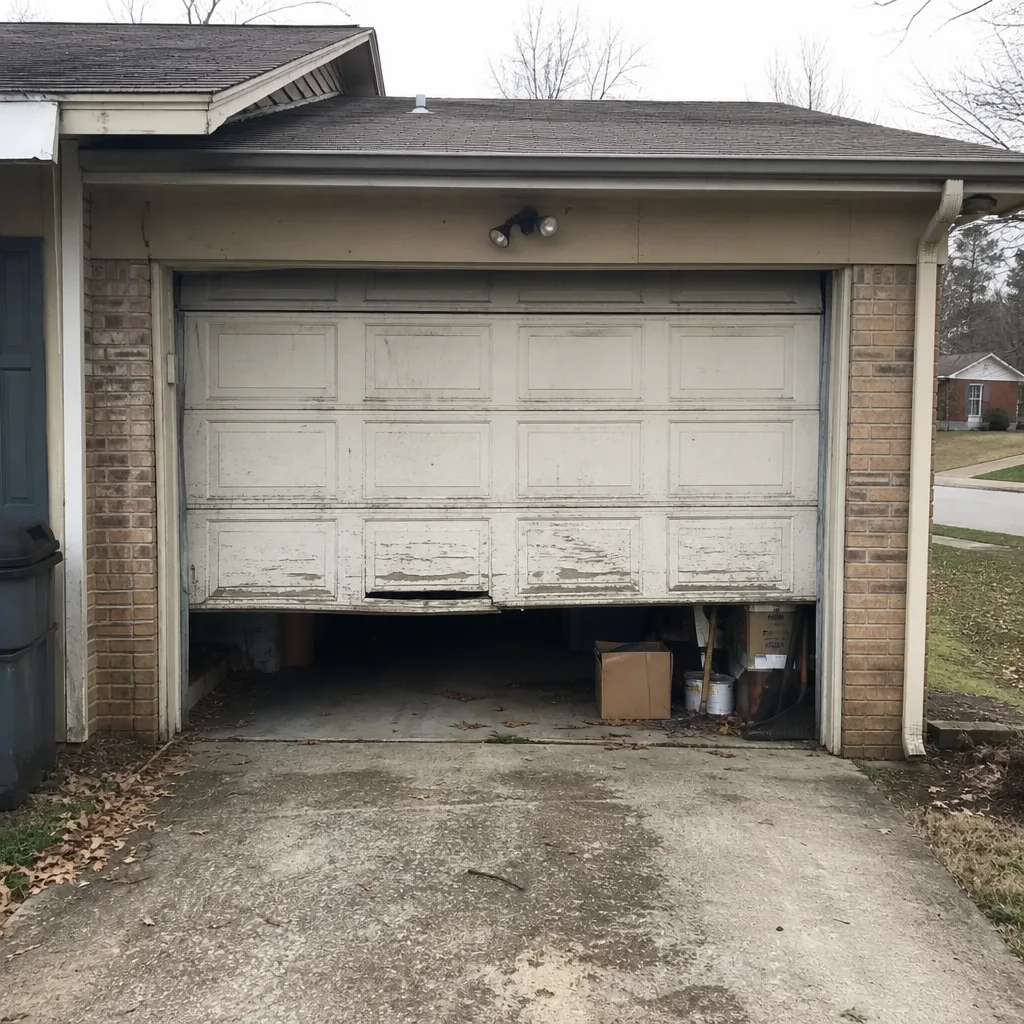 Before
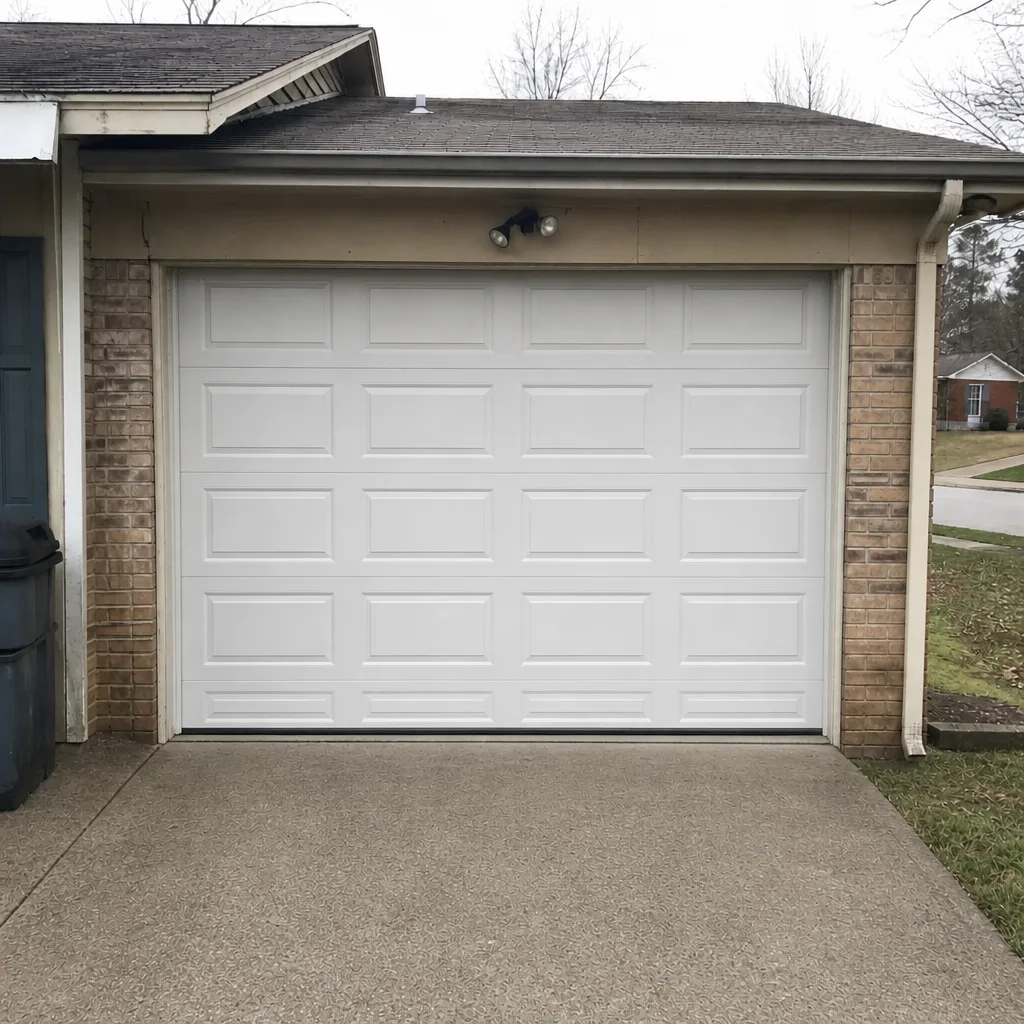 After
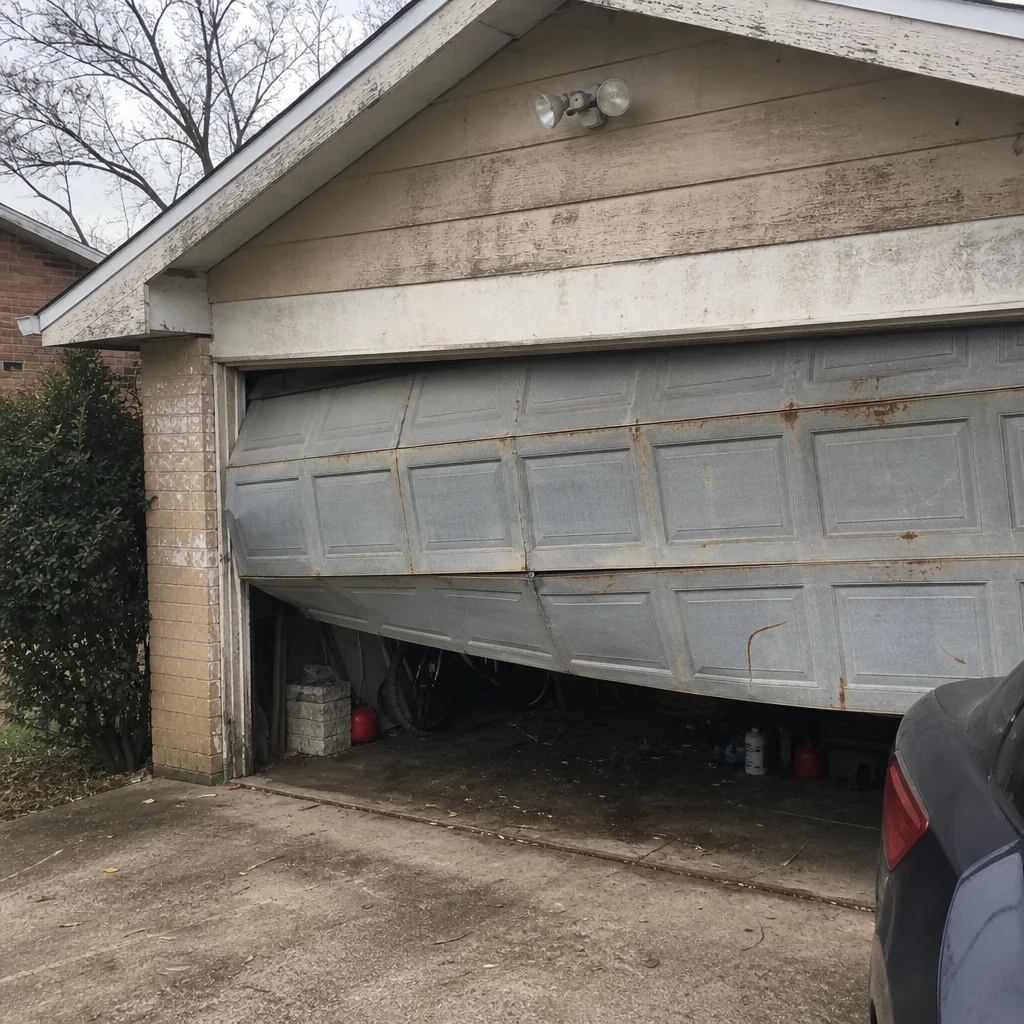 Before
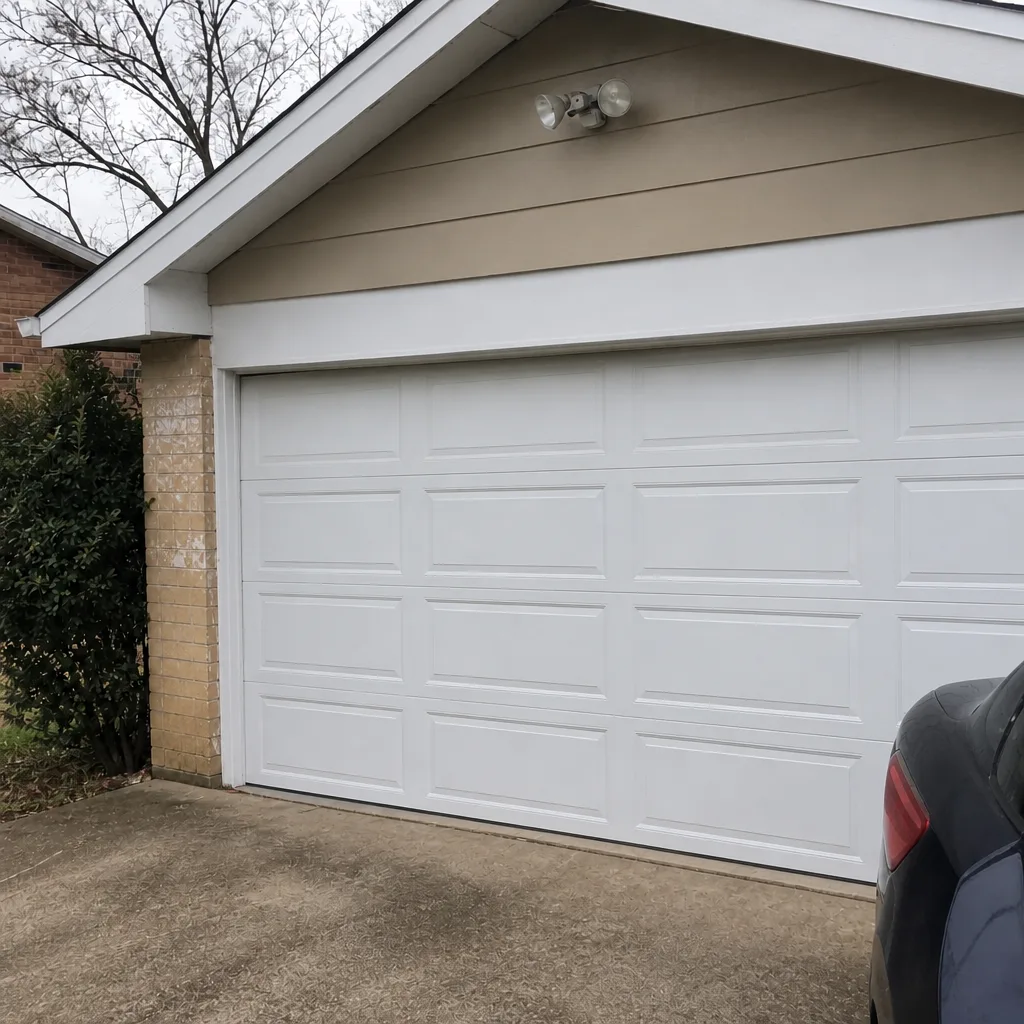 After
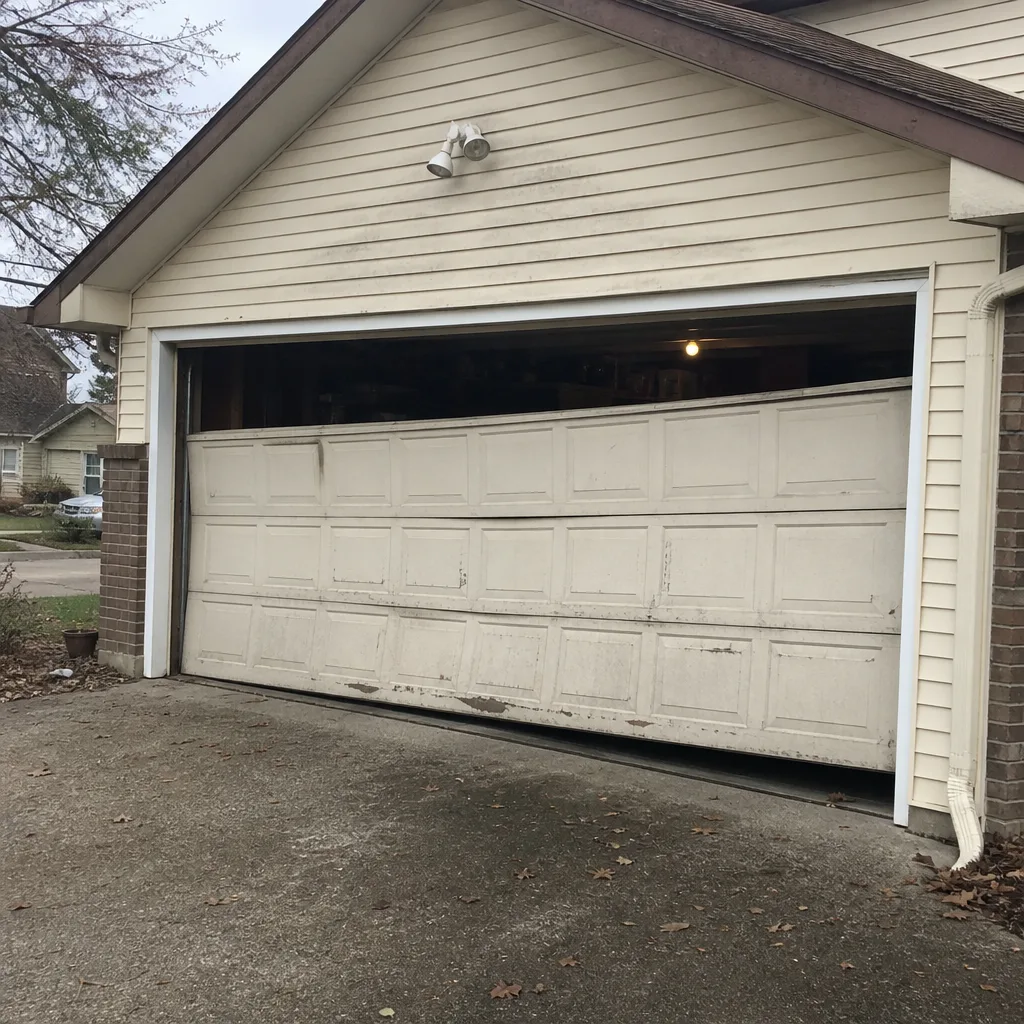 Before
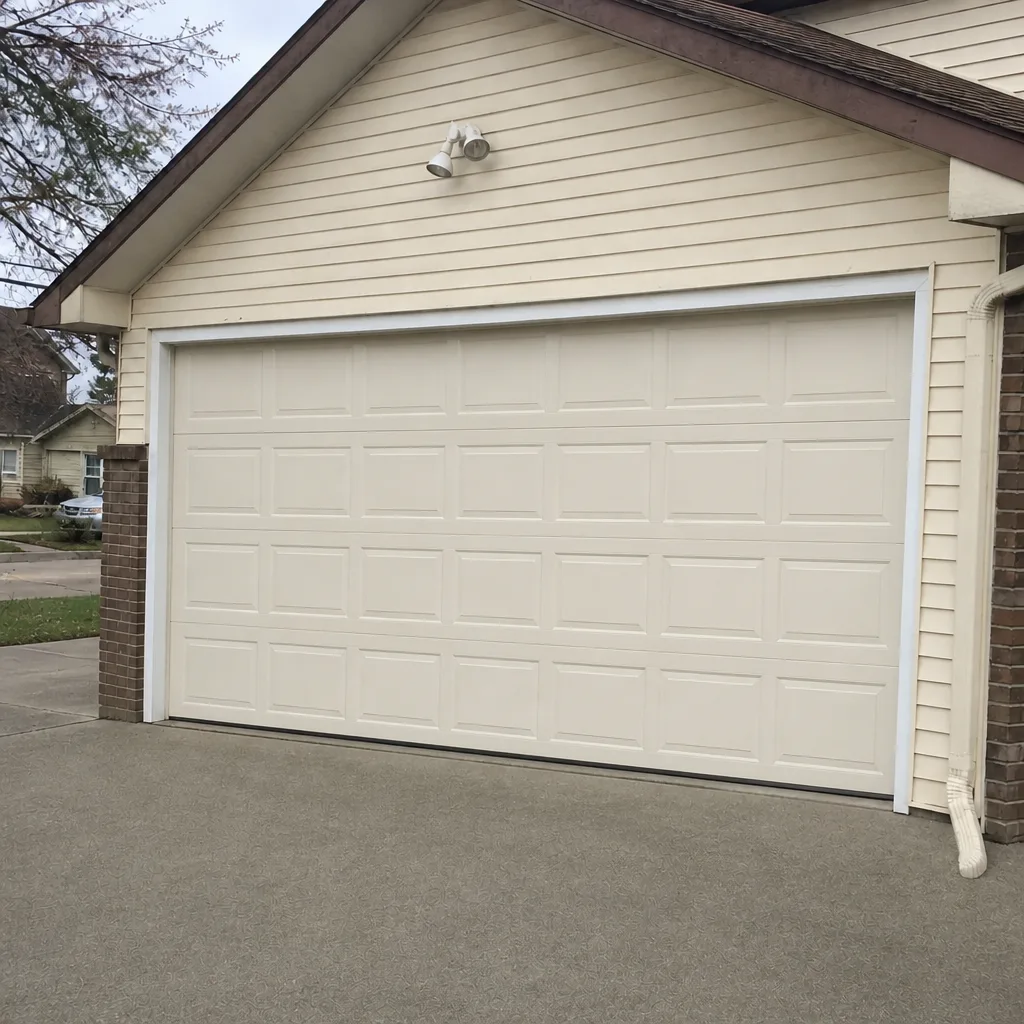 After
When to Call a Professional
Call a specialist when your project involves a size change, a header modification, a new or rewired opener circuit, or a door that needs a specific wind-load rating. Call when you’re comparing quotes and want a straight answer about what your opening actually needs. Call when a prior owner’s work looks unfinished and you want to know what’s there before you sell. Call when a torsion spring or cable gives out, because those carry serious stored energy and shouldn’t be touched by anyone without training. And call when you simply want a free estimate that reflects the real scope rather than a phone number. Starling Garage Door Repair offers free estimates in Nashville – call (855) 916-8763. We answer 24/7. Fast dispatch from 7am to 7pm, Sunday through Friday. Every price is quoted and agreed before any work starts.
Frequently Asked Questions
Usually not, as long as the new door goes into the same opening at the same size. Once you change the opening’s dimensions, modify the structural header, or add or rewire an opener circuit, you’ve moved into work that generally needs a permit. Confirm your specific project with Metro Nashville’s building department before scheduling, and call (855) 916-8763 for a free estimate if you’d like a specialist’s read on the scope.
Yes, in the typical case where converting a single opening to a double changes what the header has to carry. The engineer’s letter sizes the new beam for the load above it and confirms it against wind-load requirements. If a contractor tells you the engineer isn’t needed, ask why in writing, and call us for a free second opinion on the scope.
Yes. Tennessee’s residential code applies wind-load design requirements statewide, and a garage door is a large panel that catches wind at the weakest point of the building envelope. New construction and alterations generally require a door rated for the design pressure at the site, with reinforcement and anchoring to match. Ask for the specification sheet with the rating on it before the door is ordered, and call (855) 916-8763 if you want help confirming what your opening calls for.
The inspection itself is usually a short visit; the time that adds up is plan review and scheduling before the permit is issued. Rough-in work may be inspected before it’s covered up, and a final inspection follows installation. Build the permit step into your schedule from day one, and call us for a free estimate so the door side is ready when the permit clears.
It usually surfaces during a title search or a buyer’s inspection, and the fix is a retroactive permit and inspection or reverting the work. Either path typically costs more than doing it right the first time, and it lands on the seller at the tightest moment. If you’ve inherited unpermitted work, start with the building department and get a practical assessment, or call (855) 916-8763 for a free estimate on what’s needed.
No. The price is set by the written estimate and quoted and agreed before any work starts. On permitted projects the scope is settled before the door is ordered, so there’s no reason for the number to move once the job is underway. Call (855) 916-8763 for a free estimate – no surprises.
The Bottom Line
The permit question on a garage door in Nashville comes down to scope, not the door itself. Same size and same opening is maintenance; a size change, a header modification, or a new opener circuit is a project that needs approval and often an engineer’s letter. Wind-load ratings apply here in Middle Tennessee, and the door you buy should be rated for your opening at the size you’re installing. The inspection timeline is predictable if you build it in from the start. And the reason to do all of this properly isn’t the inspector; it’s the title search that comes years later. Get the paperwork right the first time, keep the records, and the door is just a door. When you’re ready to move, Starling Garage Door Repair is here to help.
Call (855) 916-8763 for a free estimate. We answer 24/7. Fast dispatch from 7am to 7pm, Sunday through Friday. We work on your brand, we repair before we replace, and one call covers the door, the opener, and the paperwork that goes with them.
Written by the team at Starling Garage Door Repair.