
Last updated November 16, 2026
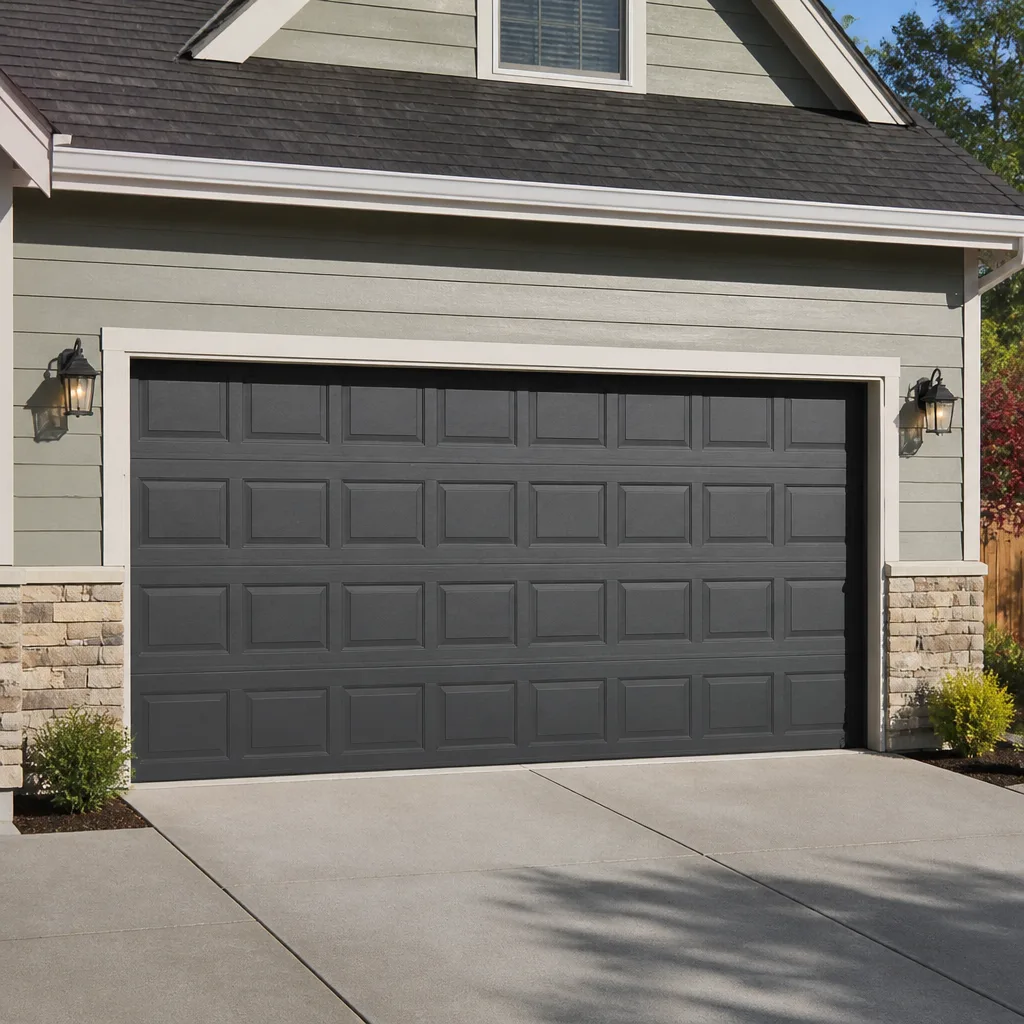 Raised-panel steel
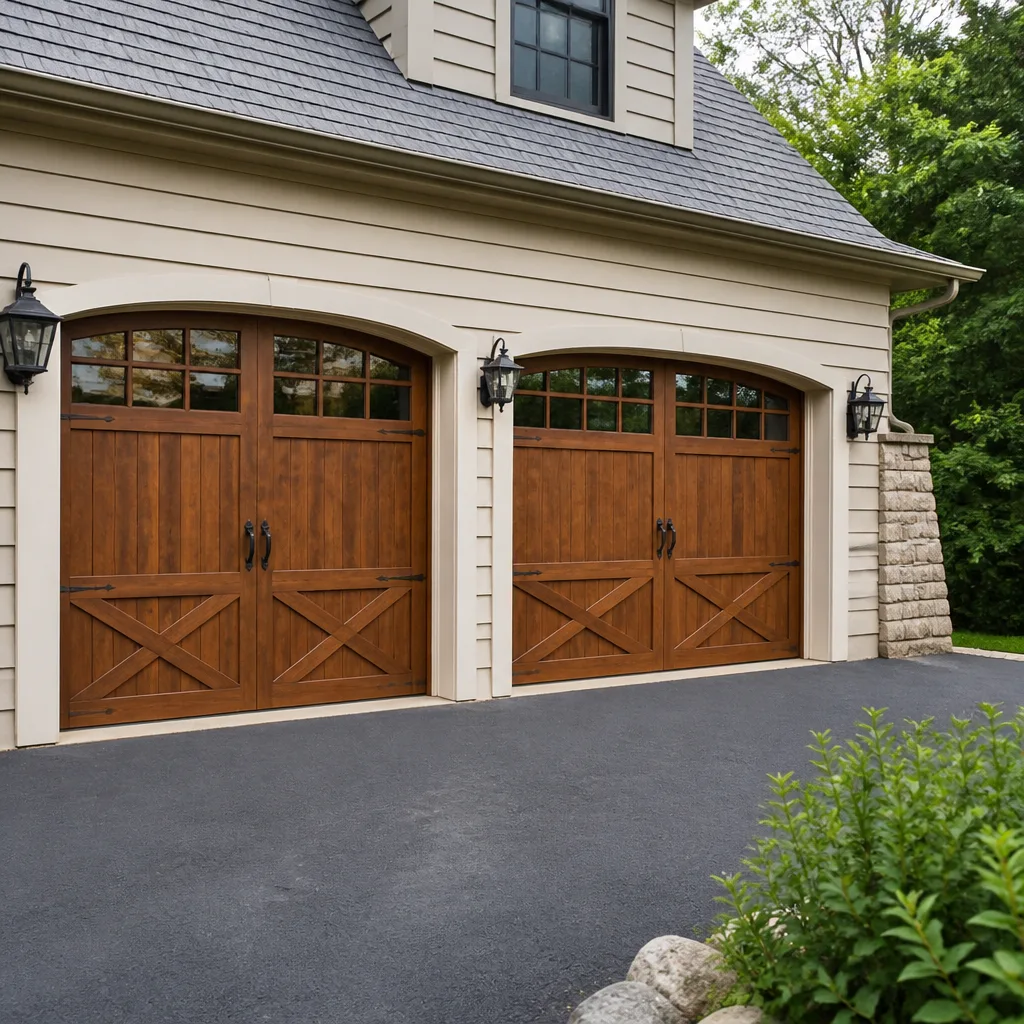 Carriage house
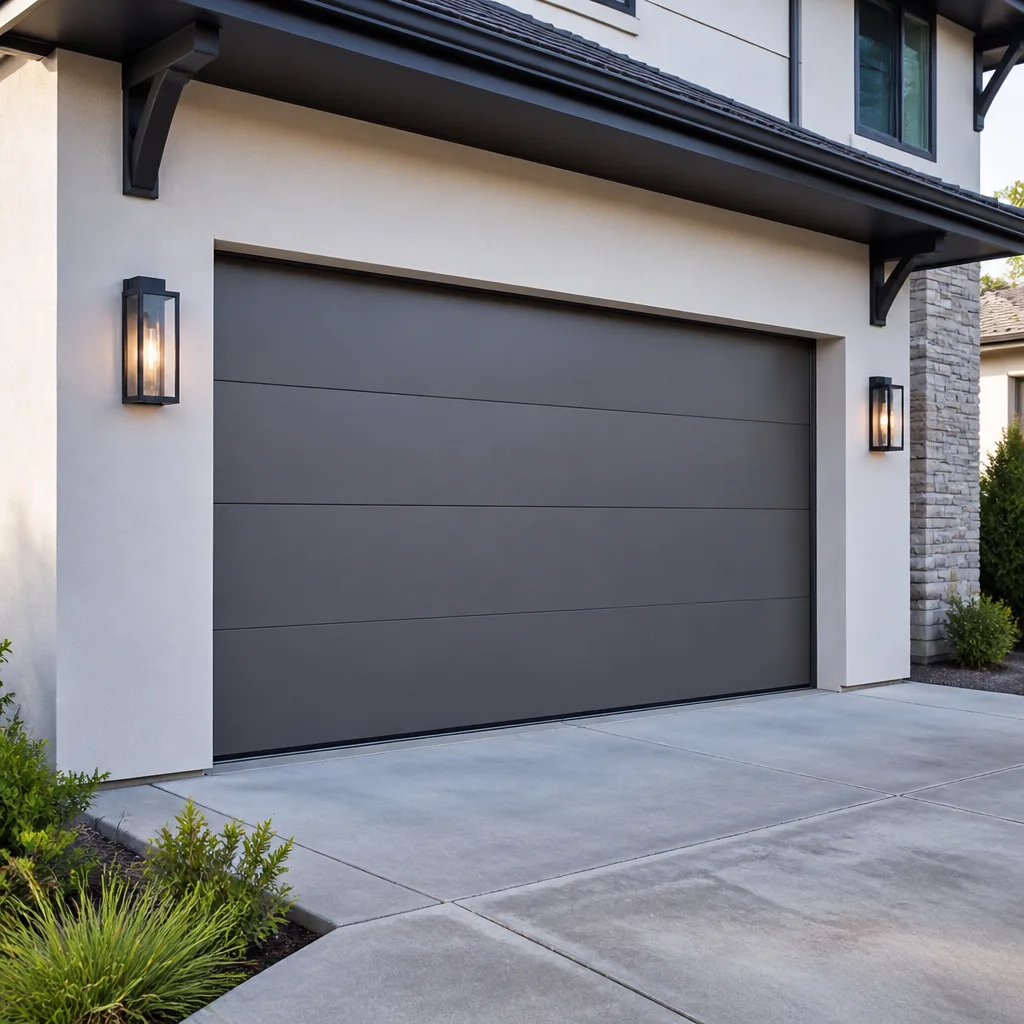 Modern flush
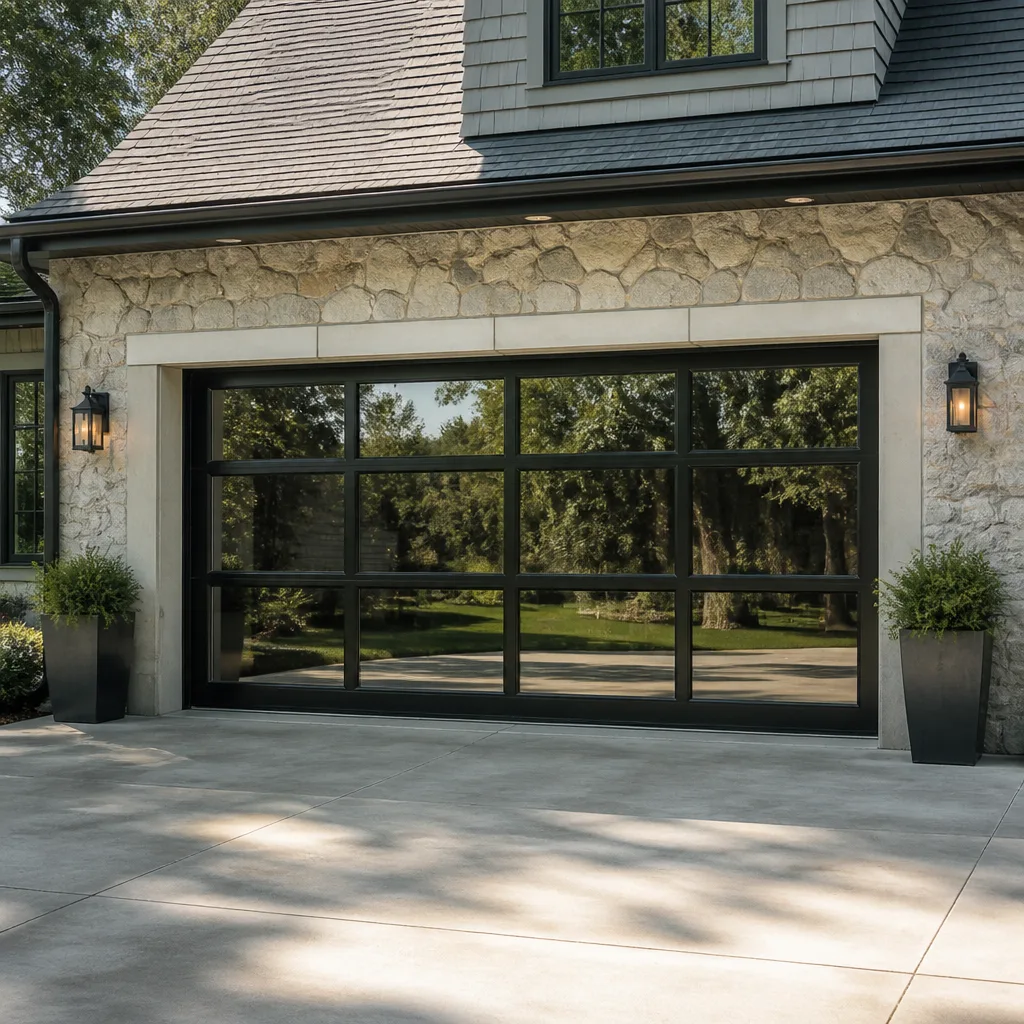 Full-view glass
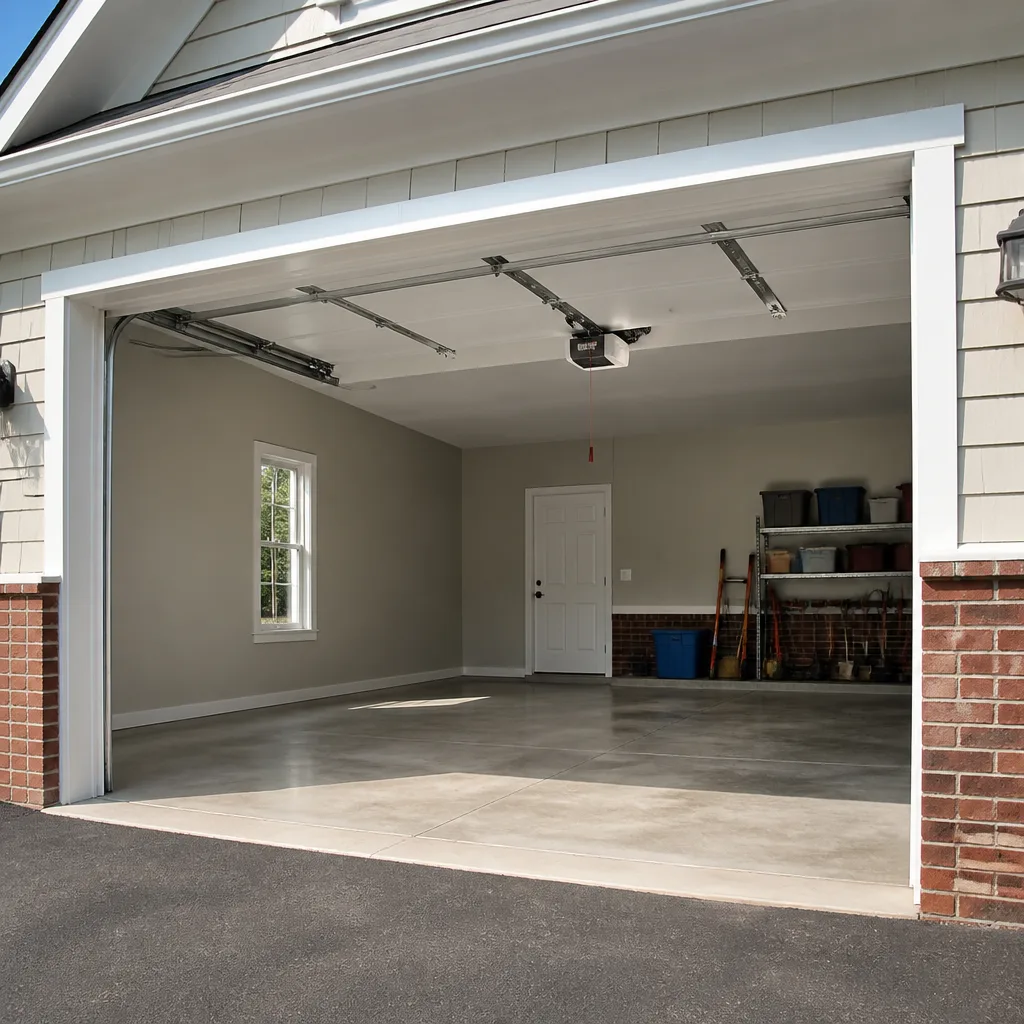 LiftMaster openers
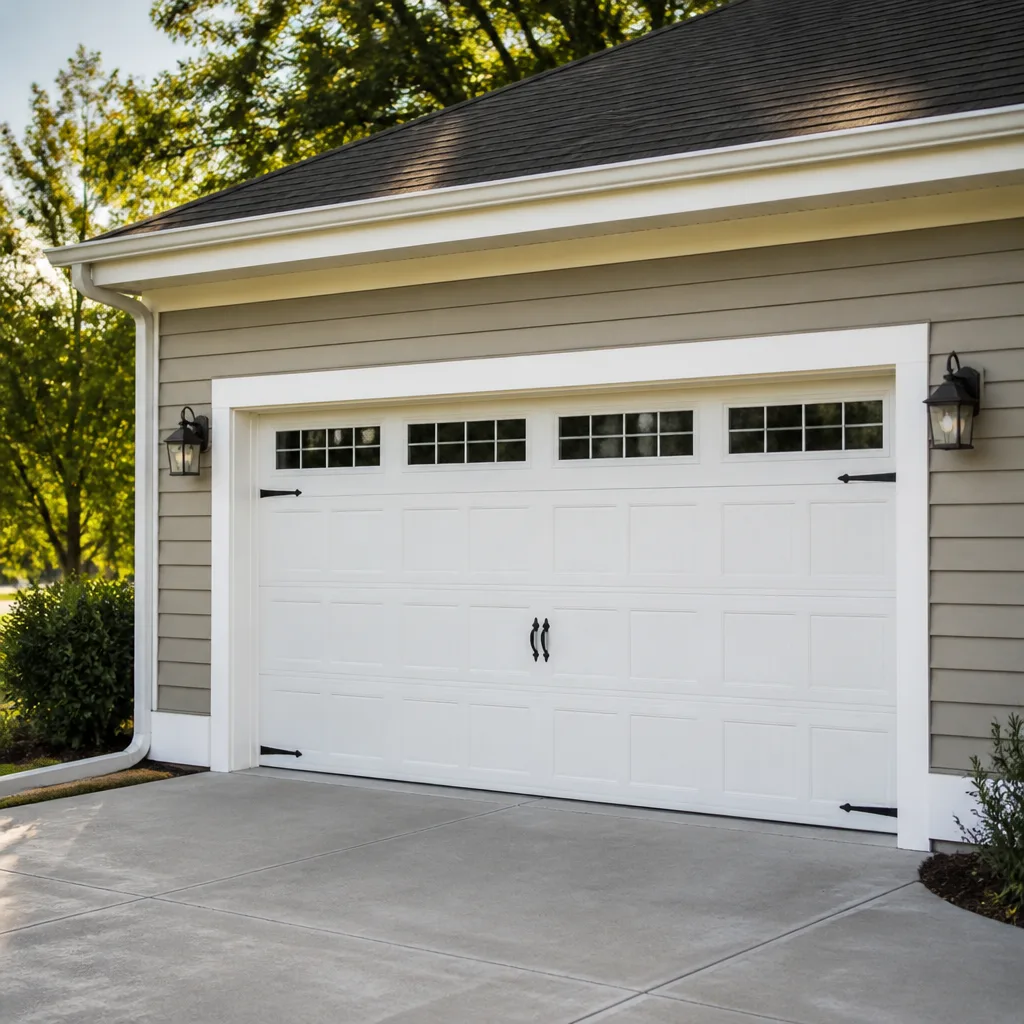 Chamberlain openers
Full 25-point door and opener safety check with every visit - springs, cables, rollers, tracks, and your LiftMaster or Chamberlain opener included
You get a price before we start. It does not change when the pro arrives.
Get your free estimateGarage Door Repair Troubleshooting in Nashville: Common Problems and How to Fix Them
A door that reverses before it closes and a door that won’t budge at all feel like the same emergency when you’re standing in the driveway with the car trapped inside. They’re not. One often traces to a sensor that’s a half-inch out of alignment or a track with a small bend. The other can mean a snapped torsion spring, which is a completely different job and a completely different cost. Confusing the two is how Nashville homeowners end up paying for a service call they didn’t need, or worse, putting their hands somewhere they shouldn’t. This guide maps symptoms to root causes so you can tell which situation you’re in before anyone knocks on your door.
Quick Answer
Most garage door problems in Nashville fall into one of five mechanical categories: opener faults, sensor misalignment, track and roller damage, spring or cable failure, or balance and tension issues. Sensor problems and remote/opener logic faults are the most common and the least expensive to fix. Broken torsion springs and frayed cables look dramatic and genuinely are dangerous. Learning to read your door’s specific behavior (reverses, stops partway, runs but doesn’t lift, moves crooked, or makes new noise) points you to the right category in seconds and tells you whether to grab a screwdriver or grab the phone.
Styles & brands we work with
- Raised-panel steel
- Carriage house
- Modern flush
- Full-view glass
- LiftMaster openers
- Chamberlain openers
Table of Contents
- Why won’t my garage door close all the way?
- Why won’t my garage door open at all?
- Why does my door open partway and then stop?
- Why is my garage door so noisy?
- Why does my garage door move crooked or jam on one side?
- Is it the opener or the door? The misdiagnosis that costs the most
- How Nashville humidity and temperature swings affect your door
- Stop here: the two repairs you should never attempt yourself
Why won’t my garage door close all the way?
Nine times out of ten, a door that starts down and then reverses is telling you its safety sensors aren’t seeing a clear path. The sensors are the two small eyes mounted near the floor on each side of the opening. When the beam between them is broken, the opener reads it as an obstruction and sends the door back up. That’s the system working as designed, not a broken door.
Other causes worth ruling out, roughly in order of likelihood:
- Misaligned sensors. One eye bumped out of line, or the mounting bracket bent slightly.
- Dirty sensor lenses. Nashville pollen season coats them fast. A dry cloth often solves it.
- Something in the beam path. A trash can, a stored bicycle, a leaf pile against the threshold.
- Limit switch set too shallow. The door reaches the floor but the opener thinks it hasn’t traveled far enough, so it reverses.
- Binding track or dry rollers. The opener senses resistance and reverses to protect the motor.
If the door closes when you hold the wall button down but reverses the moment you let go, that’s a strong signal the sensors are the problem. You can confirm it with the alignment test further down this guide in about 90 seconds.
Why won’t my garage door open at all?
A door that won’t move from a fully closed position splits into two very different situations, and telling them apart takes one pull of the emergency release. With the door disengaged from the opener, try lifting it by hand. If it feels like lifting a car, the problem is mechanical: a broken spring, a snapped cable, or a door that’s badly out of balance. If it lifts with reasonable effort, the problem is electric: the opener, the remote, the wall button, or the power supply.
On the electrical side, work through these in order:
- Check the breaker and any GFCI outlet the opener plugs into.
- Test the wall-mounted button. If it works and the remote doesn’t, the problem is the remote or its battery, not the door.
- Look at the opener’s indicator light or error code pattern. LiftMaster and Chamberlain units flash in patterns that point to specific faults; Genie and Craftsman units have their own codes. Knowing your brand saves time here.
- Check the photo-eye wiring at the opener head. A loose wire at the terminal block mimics a sensor fault.
On the mechanical side, if the door won’t lift by hand, stop. Don’t force it. A door with a broken spring can come down hard and fast. That’s a call-a-professional situation, and we’ll explain exactly what to look for in the “Stop Here” section below.
Why does my door open partway and then stop?
A door that travels a foot or two and then quits is usually hitting one of two limits: a physical obstruction or a programmed travel limit. The opener is designed to stop when it meets resistance. If a roller has jumped the track, a hinge has bent, or a cable has come loose and wrapped around the drum, the door binds partway up and the opener shuts off.
Programmed travel limits are the other culprit, and they’re more common than people expect. Modern openers from LiftMaster, Chamberlain, and Genie use a travel-limit setting that tells the motor how far to run in each direction. Power surges, a new logic board, or a technician replacing a part can knock that setting out of calibration. The door stops at the wrong point because the opener’s memory says that’s the end of the run.
What to check before calling:
- Watch the door travel. Does it stop at the exact same spot every time, or does it vary? Same spot points to a limit setting. Varying points to binding or an obstruction.
- Look at the tracks on both sides at the height where the door stops. Any bend, debris, or popped roller?
- Listen as it stops. A strain or grinding sound suggests mechanical binding. A clean stop with no strain suggests a limit issue.
Recalibrating travel limits is an opener-specific procedure, and the sequence differs between a Craftsman unit and a LiftMaster unit. If you’re not sure of your model, that’s a good reason to have someone who works on your brand take a look.
Why is my garage door so noisy?
Noise is the easiest symptom to diagnose because it tells you where to look. Squealing and grinding usually come from metal-on-metal contact: dry rollers, dry hinges, or a torsion tube that needs lubrication. A rattling or banging sound points to loose hardware, a loose opener chain, or a door panel that’s vibrating against the frame. A popping or snapping sound is the one to take seriously, because it often means a spring is about to fail or a cable has slipped.
Nashville’s humidity swings make noise worse. A wood door that’s tight and quiet in January can swell in July and start dragging against the frame. Steel doors don’t swell, but their hinges and rollers pick up grit from the humid air and dry out faster than in drier climates. That’s one reason a door that ran quietly all spring suddenly announces every cycle in late summer.
What you can safely handle:
- Lubricate rollers, hinges, and the torsion tube with a garage-door-specific lubricant, not WD-40. WD-40 is a solvent, not a lasting lubricant, and it attracts dust.
- Tighten visible bolts on hinges and brackets with a socket wrench. Don’t overtighten.
- Check that the opener’s chain or belt has the right slack. A chain that’s too tight hums and rattles.
What you shouldn’t touch: the springs, the cables, and the drums they wind onto. More on that below.
Why does my garage door move crooked or jam on one side?
A door that rises higher on one side than the other is almost always a track or roller problem, not an opener problem. The opener pulls the door straight up; if the door goes up crooked, the guides it travels on are the issue. That’s good news, because track and roller repairs are usually straightforward and don’t touch the high-tension parts of the system.
Common causes of a crooked or jamming door:
- A bent vertical or horizontal track. Often caused by a car bumper, a bicycle, or a door that closed on something in its path.
- A popped roller. One roller slipped out of its track, so that side loses its guide.
- Loose track brackets. The track shifts slightly as the door moves, throwing it out of line.
- Uneven spring tension. On a two-spring door, one spring carrying more load than the other tilts the door. This one is a professional job.
- A warped or swollen wood panel. More common in Nashville’s humid months, especially on older wood doors without a good seal.
If you can see a visible bend in the track, or a roller sitting outside its channel, that’s worth fixing before it gets worse. A door running crooked puts extra strain on the opener and can lead to a stripped gear or a burned-out motor if you keep cycling it.
Is it the opener or the door? The misdiagnosis that costs the most
The most expensive mistake we see is replacing a perfectly good opener when the real problem is a bent track, a worn roller, or a door that’s out of balance. The opener gets blamed because it’s the part that makes noise and has a light on it. But the opener is just a motor doing what the door allows it to do.
Here’s how to tell them apart in about two minutes:
- Pull the emergency release. This disengages the door from the opener so you can move it by hand.
- Lift the door halfway and let go. A properly balanced door stays put. A door that drops or slams is out of balance, and the problem is the door, not the opener.
- Move the door up and down by hand. If it binds, scrapes, or catches, the problem is in the tracks, rollers, or hinges.
- Re-engage the release and run the opener with the door disconnected. If the opener runs smoothly on its own but struggles when connected to the door, the door is the problem.
This is where brand knowledge matters. A LiftMaster or Chamberlain opener has diagnostic codes that tell you if the motor is drawing too much current, which usually means the door is binding. A Genie or Craftsman unit may just stop and flash. Reading those codes correctly is the difference between a repair and an unnecessary replacement. If you’re not sure, a diagnostic visit costs far less than a new opener you didn’t need.
How Nashville humidity and temperature swings affect your door
Nashville sits in a climate that swings hard between seasons. Summer brings stretches of high humidity and heat that make wood swell, steel expand, and lubricants thin out. Winter brings cold snaps that contract metal, stiffen springs, and make a door that ran fine in October feel sluggish in January. Those swings put more stress on a garage door than the same door would see in a drier, more stable climate.
What that means in practice:
- Wood doors swell in summer. A door that fit perfectly in spring can start dragging against the frame by July. Older Clopay and Amarr wood doors, and any wood door without a good bottom seal, are most prone to this.
- Steel tracks move with temperature. A track that’s slightly loose in mild weather can shift enough in a cold snap to throw a roller.
- Springs lose tension over time, faster with heavy use. A spring rated for a certain number of cycles wears out sooner on a door that cycles many times a day. Nashville’s temperature swings accelerate the fatigue.
- Lubricant breaks down. Humid air and dust turn grease into grit. A door that squeaked a little in spring can grind by fall.
A quick seasonal check in spring and fall, cleaning and lubricating the moving parts, tightening hardware, and testing the balance, goes a long way toward preventing mid-season breakdowns. It’s the cheapest maintenance you can do for a door in this climate.
Stop here: the two repairs you should never attempt yourself
Most garage door troubleshooting is safe for a homeowner with basic tools. Two parts of the system are not: torsion springs and cables. Both are under extreme tension, and both can cause serious injury if they release unexpectedly. A torsion spring that snaps while you’re near it can break a hand or worse. A cable under load can whip with enough force to cut through clothing and skin.
Here’s how to recognize each one so you know to stop:
Broken torsion spring
A torsion spring is the horizontal coil mounted on the shaft above the door. When it breaks, you’ll usually hear a loud bang, and you’ll see a visible gap in the coil, usually about two to four inches, near the middle or one end. The door will be extremely heavy to lift, often impossible. The opener may run but the door won’t move, or it’ll move a few inches and stop. If you see a gap in the spring, do not try to lift the door, do not try to wind the spring, and do not let anyone who isn’t trained touch it. This is the single most common serious injury in garage door work.
Frayed or snapped cable
The cables run from the bottom corners of the door up to the drums at each end of the torsion shaft. A cable that’s frayed will look fuzzy or have broken strands sticking out. A snapped cable will be hanging loose, and the door will often be crooked or stuck. Cables are under the same tension as the springs. Don’t try to reattach one, and don’t cut a frayed one to “clean it up.” Call a professional.
We’d rather you call us for a free estimate than hurt yourself trying to save a service call. That’s not a sales line. It’s the one piece of advice we give every homeowner who asks.
Common Mistakes to Avoid
- Replacing the opener when the door is the problem. A bent track or a worn roller makes the opener work harder, and a new opener won’t fix a door that binds. Diagnose the door first.
- Using WD-40 on the tracks and rollers. It cleans but doesn’t lubricate, and it attracts dust that turns into grit. Use a garage-door-specific lubricant instead.
- Forcing a door that won’t move. If the door won’t lift by hand after you pull the release, something mechanical has failed. Forcing it can bend panels, pop cables, or bring the door down on you.
- Ignoring a small track bend. A slight bend gets worse with every cycle and eventually throws a roller or strains the opener. Fix it early.
- Assuming a blinking sensor light means a bad sensor. Nine times out of ten it’s alignment or dirt, not a failed unit. Check the beam path and the lens before buying a replacement.
- Skipping seasonal lubrication in a humid climate. Nashville’s summer humidity dries out hinges and rollers faster than you’d expect. A little lubricant twice a year prevents a lot of noise and wear.
- Letting a wood door go without a seal check. A swollen wood door drags, binds, and strains the opener. A good bottom seal and a weather check in spring save you a repair in July.
See the difference
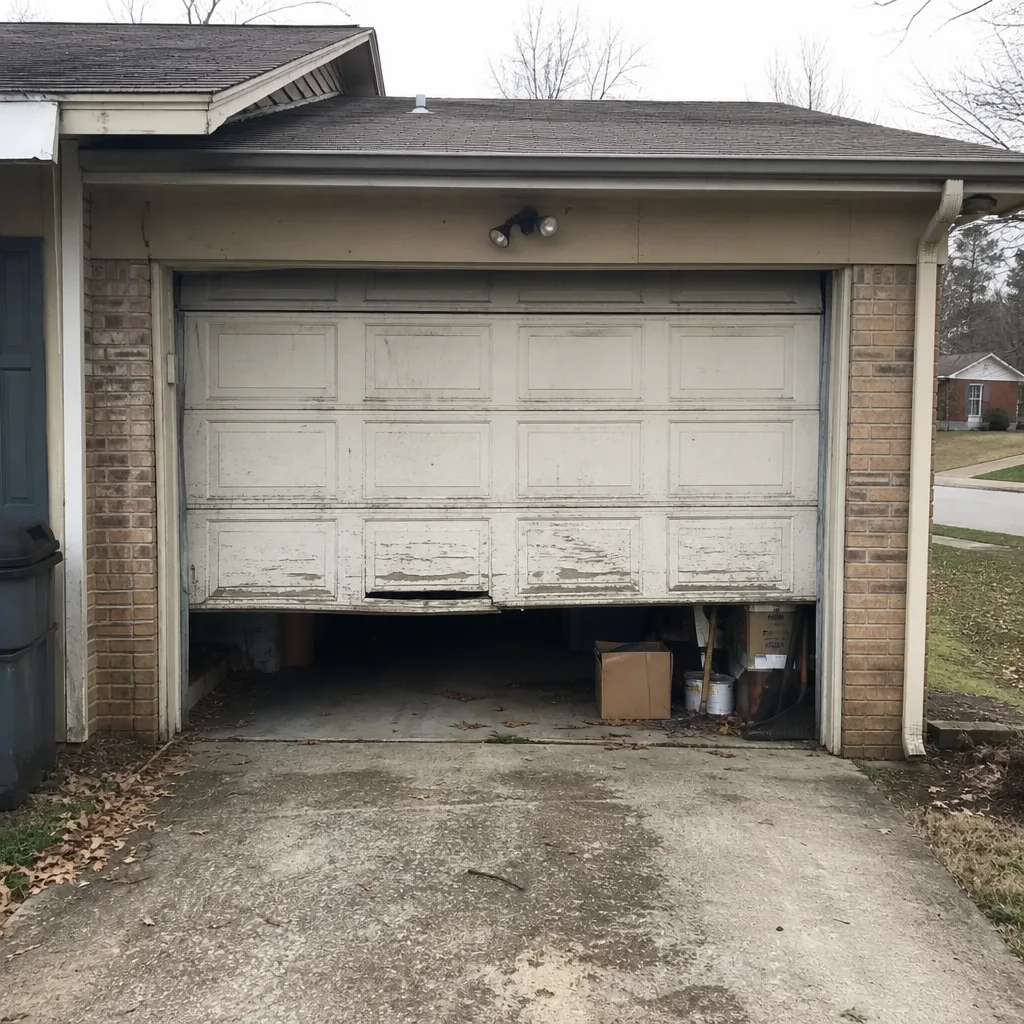 Before
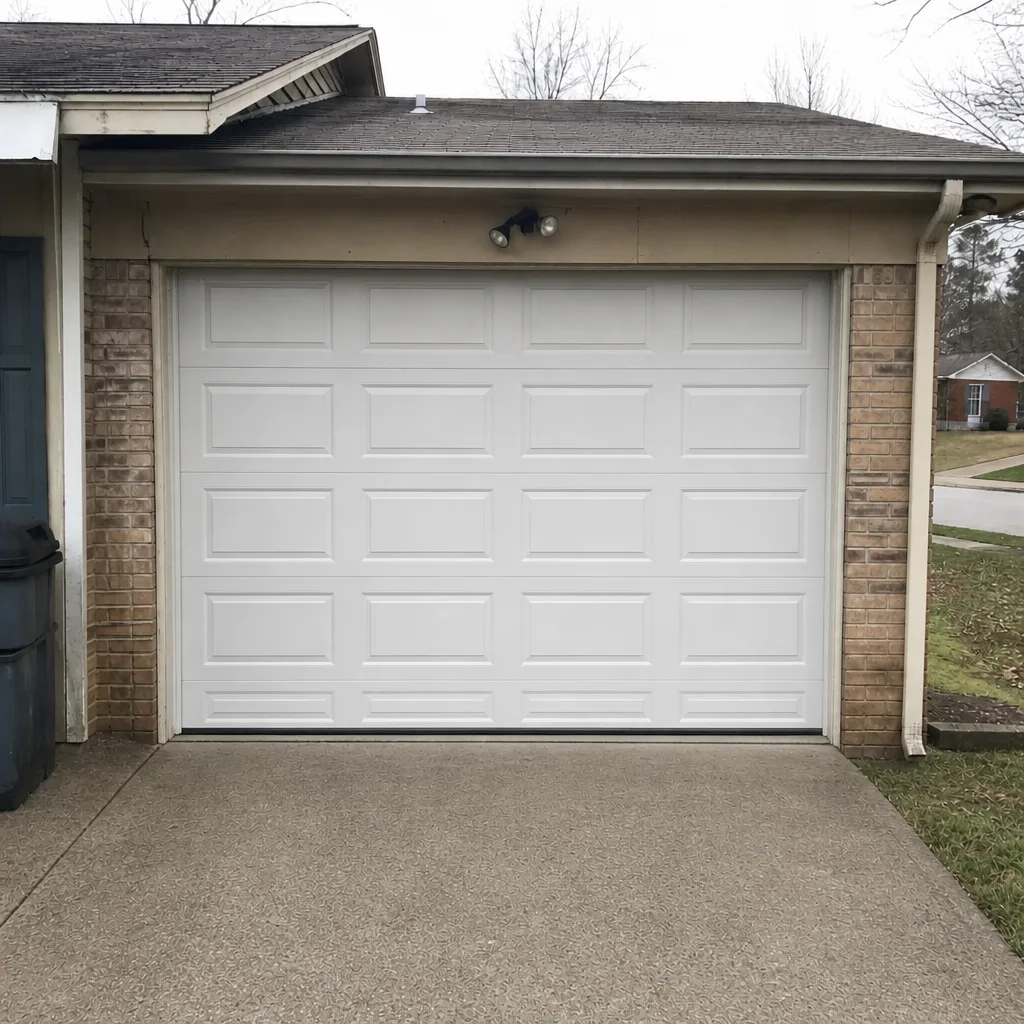 After
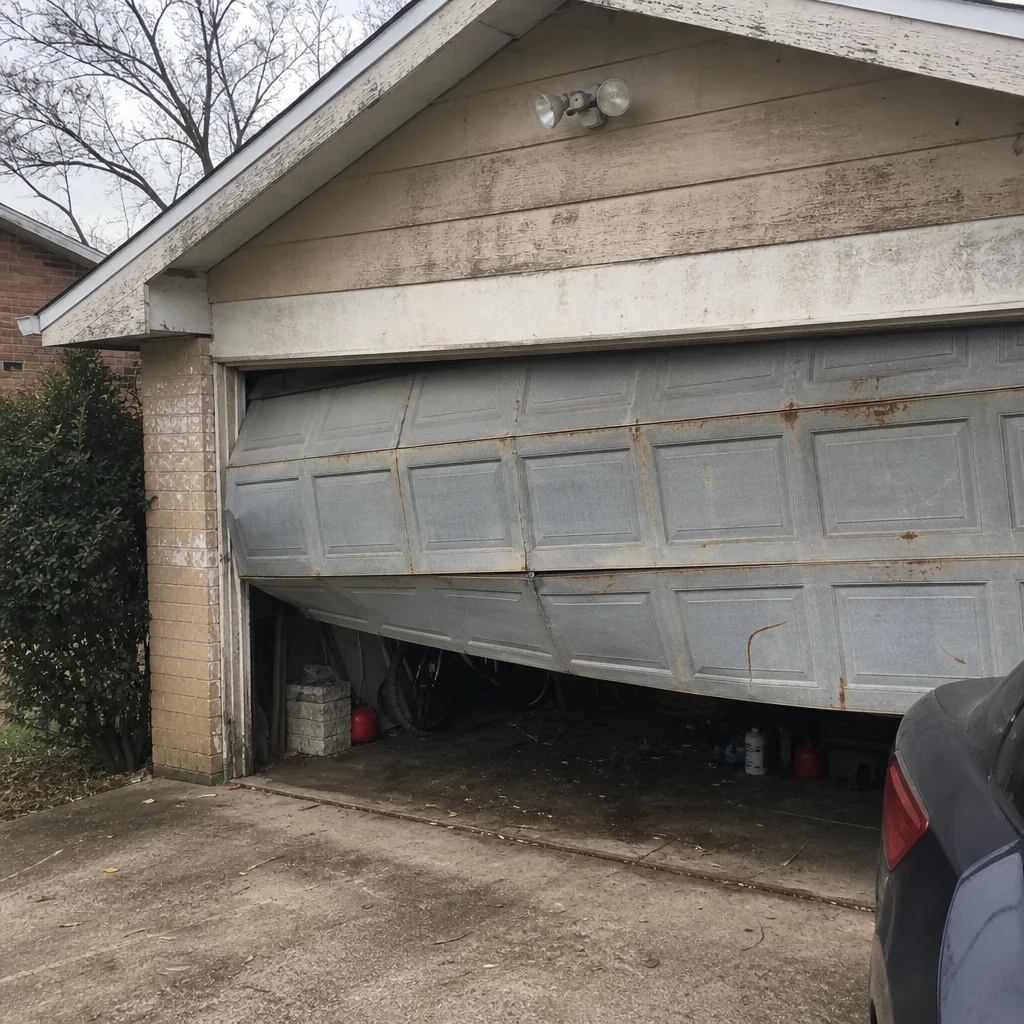 Before
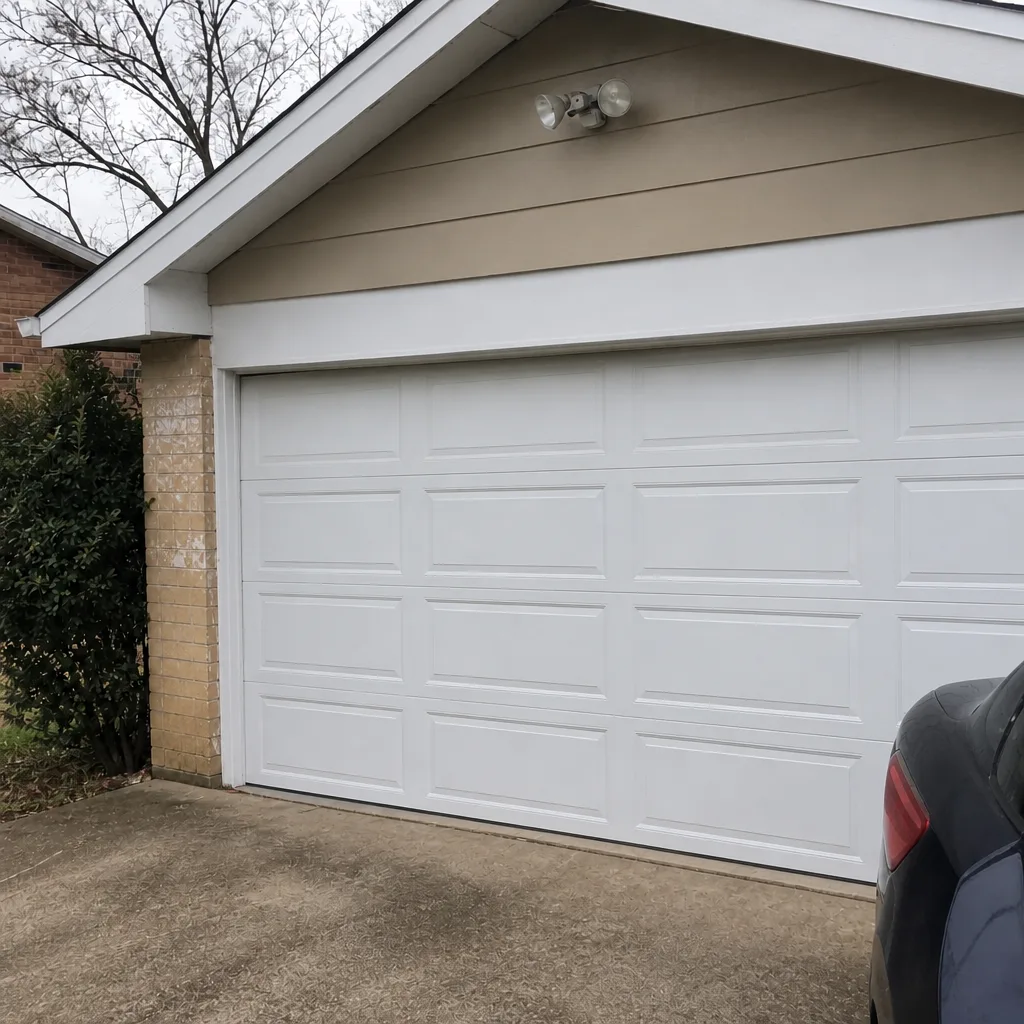 After
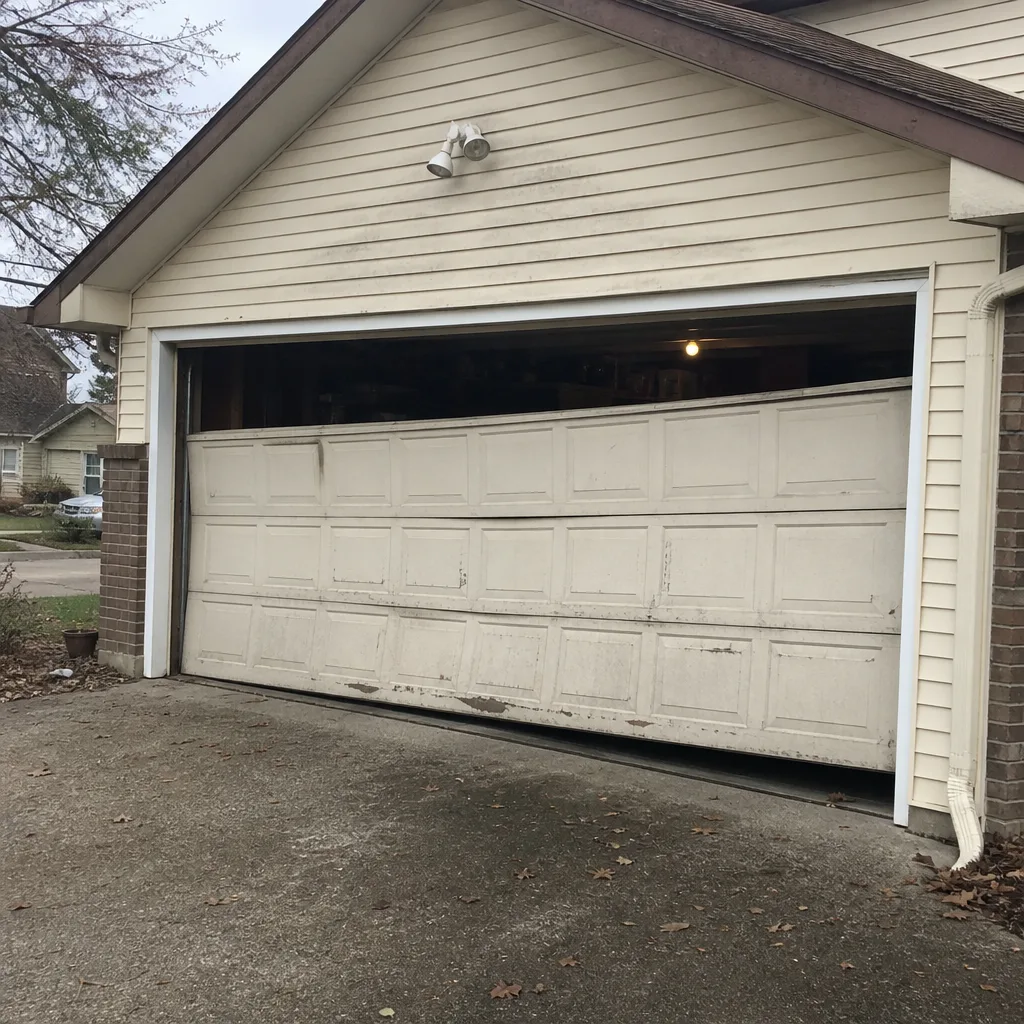 Before
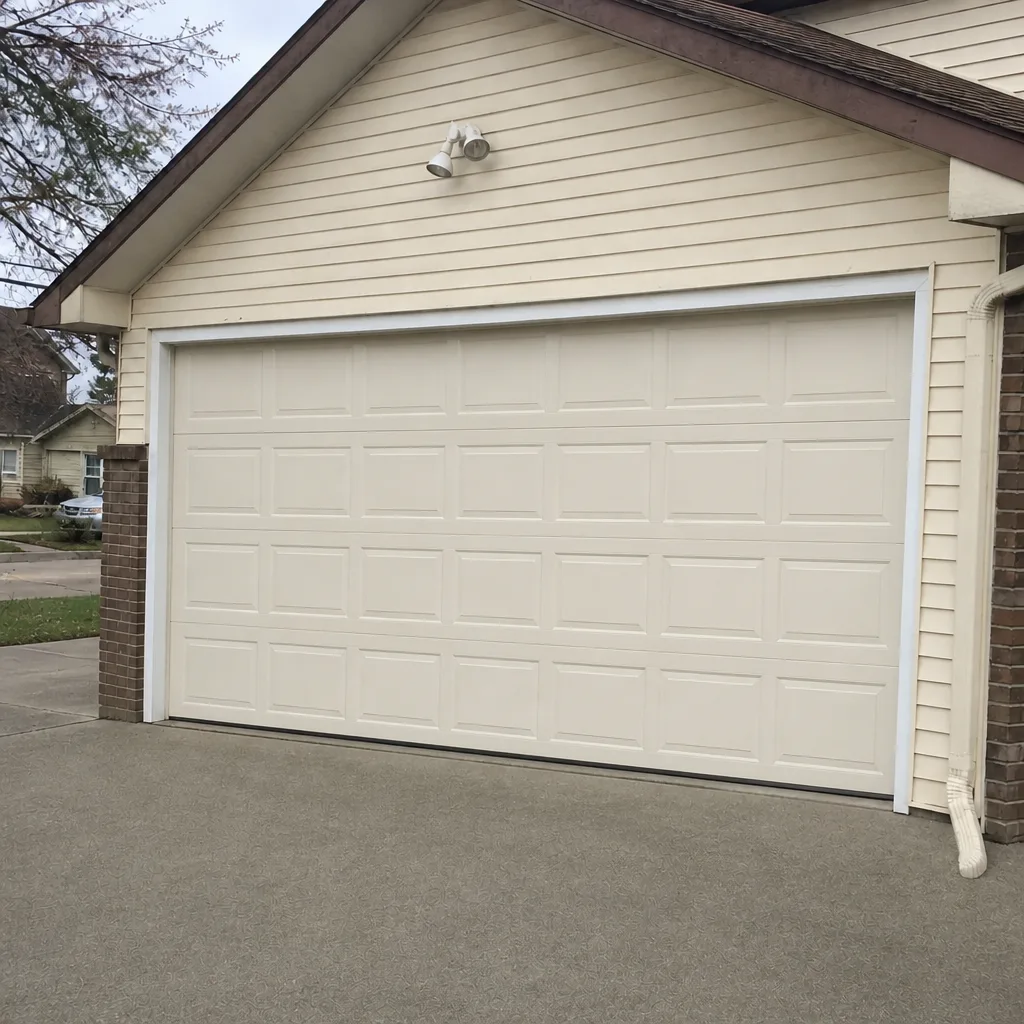 After
When to Call a Professional
Call a professional if you see a gap in a torsion spring, a frayed or hanging cable, or a door that won’t lift by hand after you’ve pulled the emergency release. Those are the situations where the risk of injury is real and the repair requires specialized tools and training. Call us if the door moves crooked no matter how many times you adjust the track, if the opener runs but the door doesn’t, or if you’ve replaced a remote battery and the door still won’t respond. Call us if you hear a loud bang from the garage and the door won’t open. And call us if you’re simply not sure: a diagnostic visit tells you what’s wrong and what it costs before any work starts.
Starling Garage Door Repair offers free estimates in Nashville. Our technicians have up to 15 years of experience and work on eight major brands, including LiftMaster, Chamberlain, Genie, Clopay, Amarr, Wayne Dalton, Craftsman, and Raynor. We diagnose before we recommend, so you’re never pushed into a replacement you don’t need. Call (855) 916-8763. We answer 24/7, with fast dispatch from 7am to 7pm, Sunday through Friday.
Frequently Asked Questions
Most garage door repairs in Nashville fall into a range that depends on the part and the labor involved: sensor alignment and remote issues are on the low end, track and roller repairs in the middle, and spring or cable replacement on the higher end because of the safety work involved. The written estimate sets the final price, and the estimate is free. Call (855) 916-8763 for an exact quote.
In most cases, yes. We answer 24/7 and run fast dispatch from 7am to 7pm, Sunday through Friday. Call (855) 916-8763 and we’ll tell you the soonest opening and book you in.
No. We quote the job before any work starts, and the written estimate is what you pay. If we find something additional during the repair, we stop and talk to you before doing anything that changes the price. Call (855) 916-8763 for a free estimate.
Yes. Our technicians are experienced and insured, and they have up to 15 years of experience working on garage doors and openers. We work on eight major brands, so you won’t hear “we don’t service that one.” Call (855) 916-8763 with your brand and model and we’ll confirm the details.
A door that opens partway and stops is usually binding on a bent track or a popped roller, or the opener’s travel limit is set wrong. Check the tracks at the height where it stops, then check the balance by pulling the emergency release and lifting the door by hand. If it binds, it’s a door problem. If it moves freely, it’s likely an opener setting. Call (855) 916-8763 if you’re not sure which.
You’ll usually hear a loud bang, and you’ll see a visible gap of a few inches in the coil above the door. The door will be very heavy or impossible to lift by hand. If you see a gap, don’t touch the spring or try to lift the door. Call (855) 916-8763 right away and we’ll schedule a repair.
Usually not. Most opener problems are repairable: a failed logic board, a worn gear, a bad capacitor, or a remote that needs reprogramming. Our repair-first approach means we diagnose the opener before recommending a replacement. LiftMaster, Chamberlain, Genie, and Craftsman units are all serviceable in most cases. Call (855) 916-8763 for a diagnosis.
The Bottom Line
Garage door troubleshooting starts with the symptom, not the part. A door that reverses is usually a sensor issue. A door that won’t lift is usually a spring or cable issue. A door that moves crooked is usually a track or roller issue. A door that runs but doesn’t move is usually an opener or balance issue. Match the symptom to the category and you’ll know whether you’re looking at a quick fix or a call to a professional. When in doubt, stop before you force anything, especially near the springs and cables. Starling Garage Door Repair works on all eight major brands, diagnoses before recommending replacement, and quotes the job before work starts. Call (855) 916-8763 for a free estimate. We answer 24/7, with fast dispatch from 7am to 7pm, Sunday through Friday.
Written by the team at Starling Garage Door Repair.